Spain Wins FIFA World Cup 2026

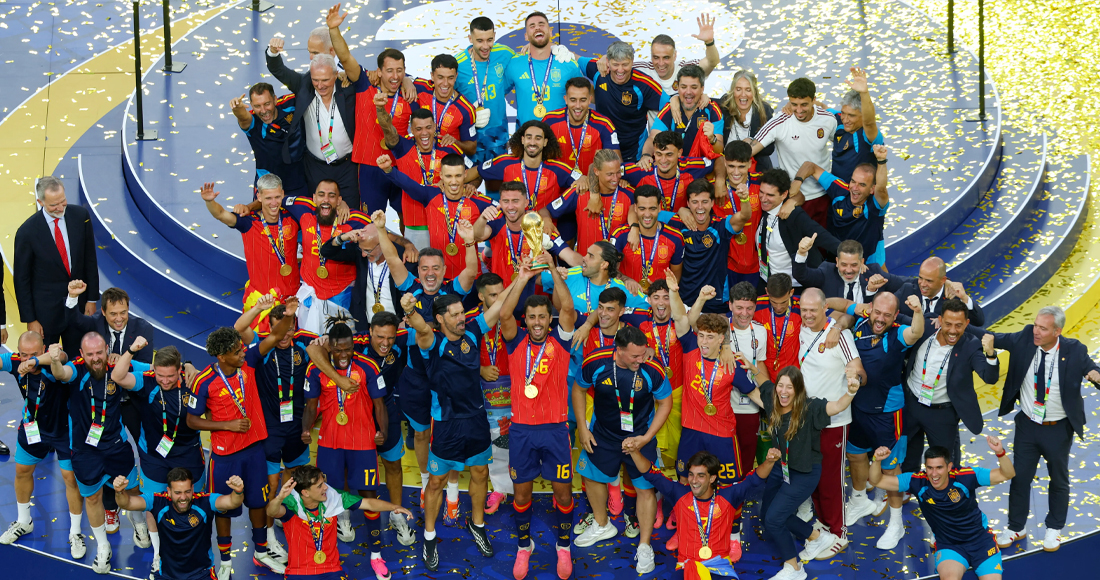
New York. 34 days ago, Spain started their World Cup journey by drawing 0-0 with debutant Cape Verde. That result was very disappointing.
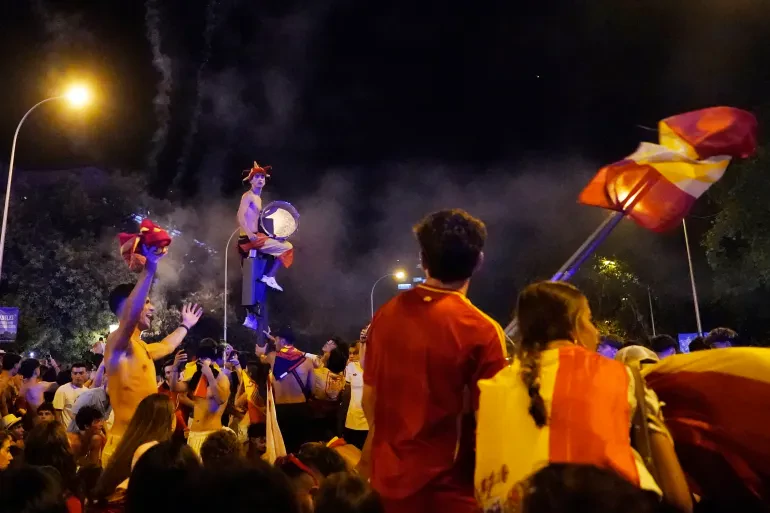
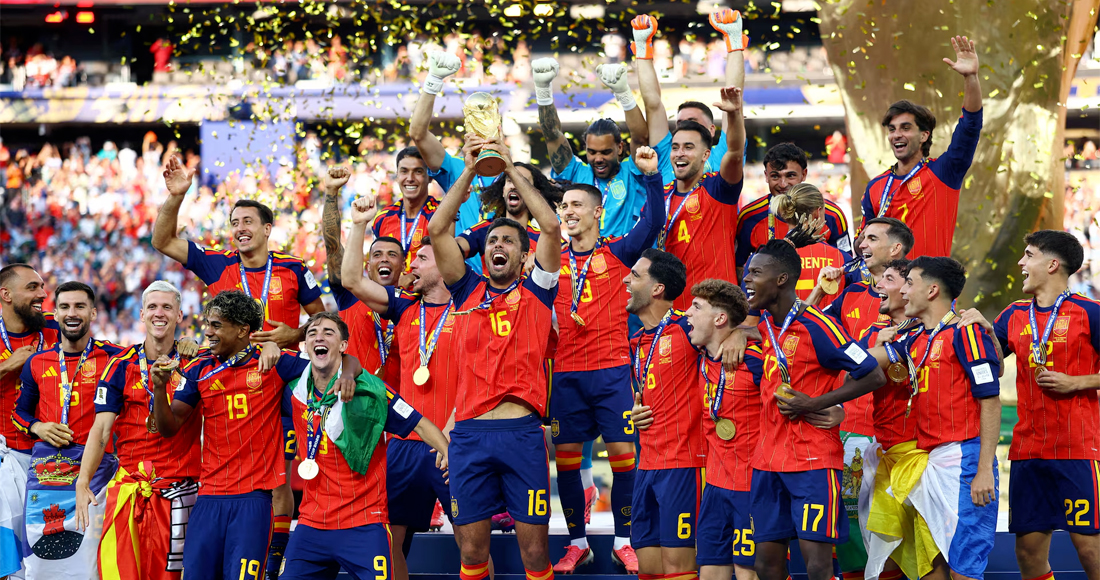
But on Sunday, they lifted the World Cup trophy by defeating defending champions Argentina in the final held in New Jersey. In this way, they concluded their journey in a spectacular manner.
Luis de la Fuente's young team showed significant improvement in their game as the tournament progressed. By the time they reached the knockout stage, they had found their rhythm. Ultimately, they emerged as winners in the biggest game of football.
Spain conceded only one goal throughout the tournament. Along with this, they maintained their unbeaten streak. Their unbeaten streak has now surprisingly reached 38 games.
'La Roja' completely dominated the final. They not only kept the game under their control but also neutralized Argentina's aggressive challenge.
How did Spain win their second World Cup title? Let's discuss it.
- Reliable Young Players
Among the 48 teams participating in this tournament, Spain was the sixth youngest team. The average age of the team was 26.19 years. There were only six players in the team aged 30 or above.
Let's compare this with Brazil. Brazil's team had 11 players aged 30 or above. Their average age was 28.65 years.
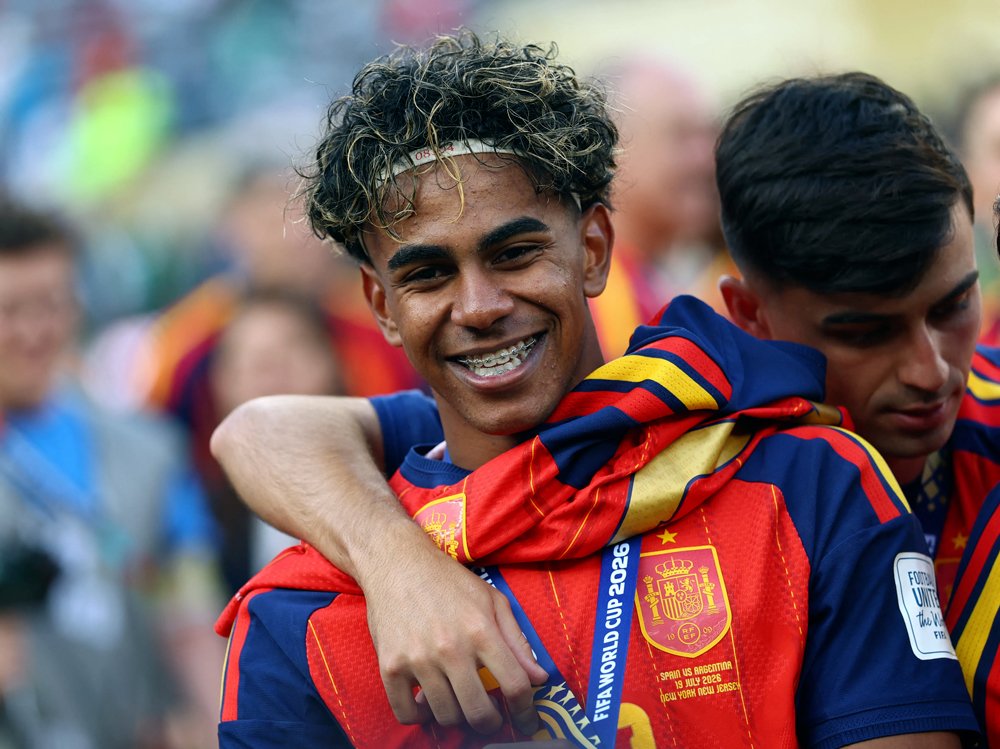
Spain chose youth energy over experience. Their decision proved absolutely correct. Some of the team's best players are still teenagers. For example, Pau Cubarsi and Lamine Yamal are both 19 years old.
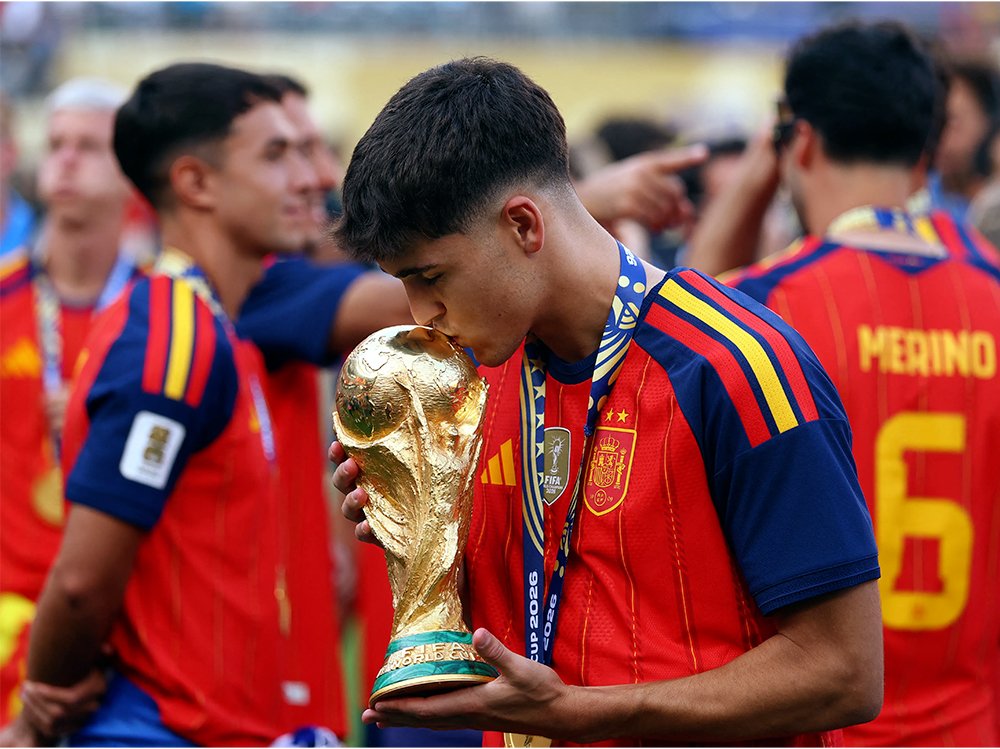
Nico Williams, who assisted the winning goal in the final, is 24 years old. Similarly, Barcelona midfielder Pedri is 23 years old.
- Slow Start
Spain began their World Cup campaign with a match in Atlanta in mid-June. Their first opponent was debutant Cape Verde.
European champions Spain could not get past the African team and their star goalkeeper Vozinha. As a result, both teams played a goalless draw.
This was a very surprising result in World Cup history. After this, many started questioning Spain's potential in this tournament.
Despite all the criticism and doubts, Spain easily defeated Saudi Arabia in their next group stage match. Then they defeated Uruguay 1-0 in Guadalajara.
Defending champions Spain easily overcame Austria in the Round of 32 match. However, they had to show strong struggle and determination to win the next two knockout matches.
In both matches against Portugal and Belgium, 'super-sub' Mikel Merino came in from the bench. He scored the winning goal for Spain at the last moment, taking the team to the final four.
- Not Solely Dependent on Yamal
In the quarterfinals, Spain won 2-1 against Belgium. This was another match in the tournament where Yamal could not score.
When asked about this after the match, the teenage player replied, 'No one will remember whether I scored or not if Spain lifts the trophy.'
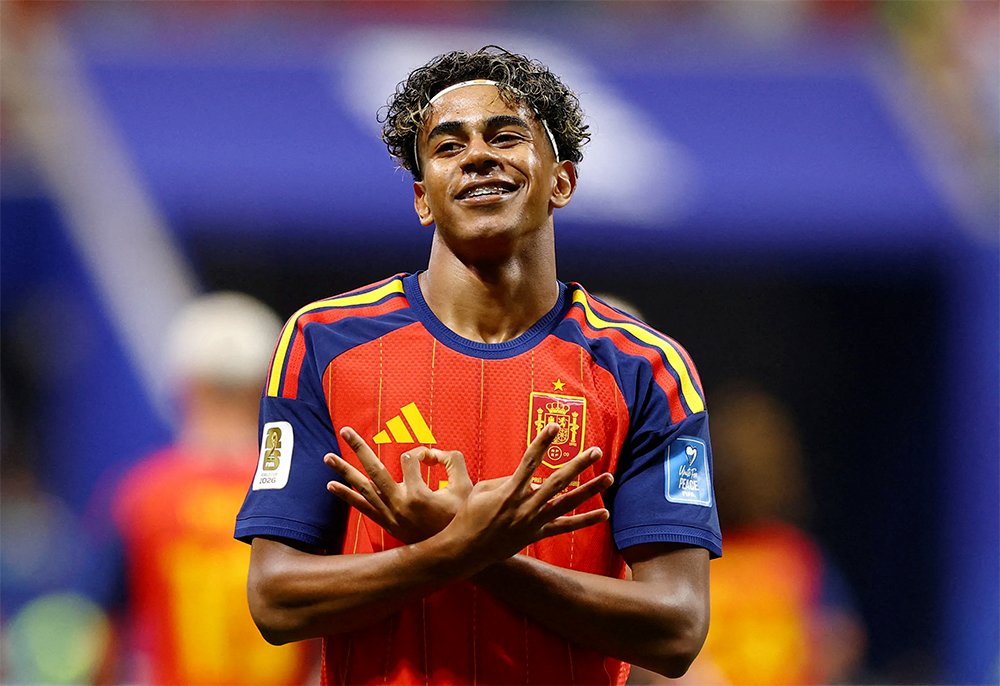
He was right.
In this World Cup held in North America, Mikel Oyarzabal scored the most goals for Spain with five. Other team members also contributed with goals.
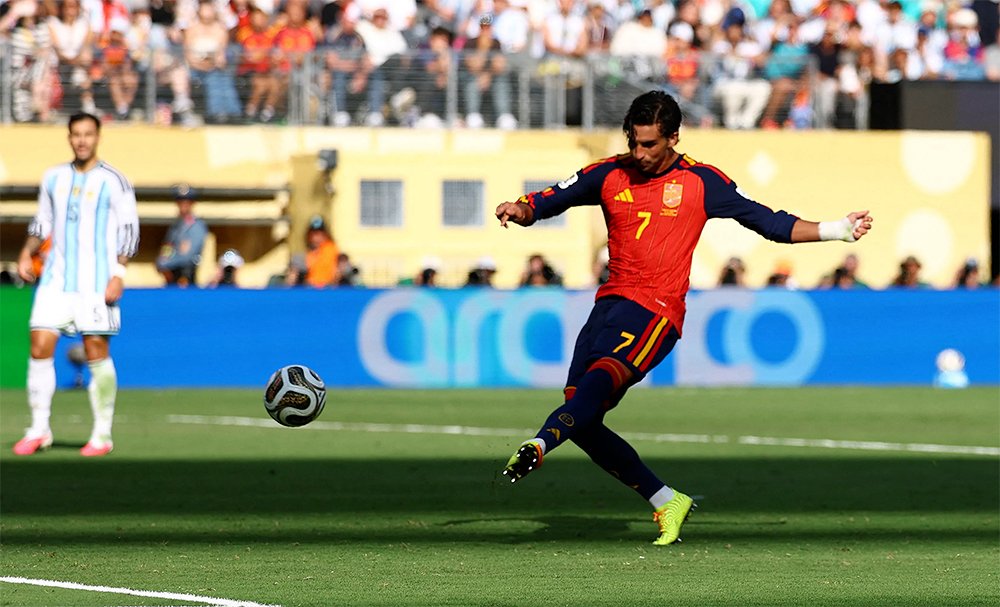
Mikel Merino and Pedro Porro both scored two goals each. Similarly, Ferran Torres scored the most important goal that won Spain the World Cup.
Despite scoring only one goal and having no assists, Yamal became a key player for Spain in North America.
He played in every match. He was also awarded the 'Player of the Match' award for his excellent performance against Belgium in the quarterfinals.
In the semi-final against France in Dallas, Spain got a penalty because of him. Spain scored the first goal of the match through that penalty.
- Spain's Excellent Performance in the Semifinal
France had easily won their first three knockout matches. They were considered contenders for the tournament title. But Spain's strategy was different.
In the semi-final against France, coach De la Fuente presented excellent tactical skills. They neutralized the challenge of the world's strongest attacking team and registered a spectacular 2-0 victory.
Spain's midfield trio, including Dani Olmo, Rodri, and Fabian Ruiz, kept possession of the ball. They controlled the pace of the game from the start.
Due to Spain's dominance in midfield, France could not provide the ball to their dangerous attacking stars. Players like Kylian Mbappé and Michael Olise were deprived of the ball.
Taking the lead in the middle of the first half, Spain kept the opponent under pressure. Even after that, they continuously pushed forward for a second goal.
They did not give France a chance to come back into the game. French players were forced to take simple shots from far away from the penalty area.
- Dominance in the Final
In Sunday's final, Spain made no changes to their starting eleven. Who could say this decision was wrong? They adopted the same strategy as in the semi-final. By controlling the ball, they frustrated the opponent.
Argentina was limited to just two shots in 120 minutes of play. Neither of those shots was on target.
Spain kept possession of the ball for 65 percent of the time. They tired the South American team mentally and physically.
Argentina's frustration overflowed in the injury time of the second half. Enzo Fernández made a dangerous tackle on Cubarsi. For this, he had to leave the field after receiving a second yellow card.
Spain brought in players like Pedri, Williams, and Torres from the bench. They maintained their dominance in the game. Finally, in the 106th minute, Torres put the ball into the back of the net, giving Spain the lead.
- Spain's Bright Future?
The World and European champions have a young team. This team has shown signs of dominating international football in the coming years.
Many of their players are yet to reach the peak of their careers. Their focus will now be on success in upcoming tournaments. This includes the World Cup in their own backyard in four years.
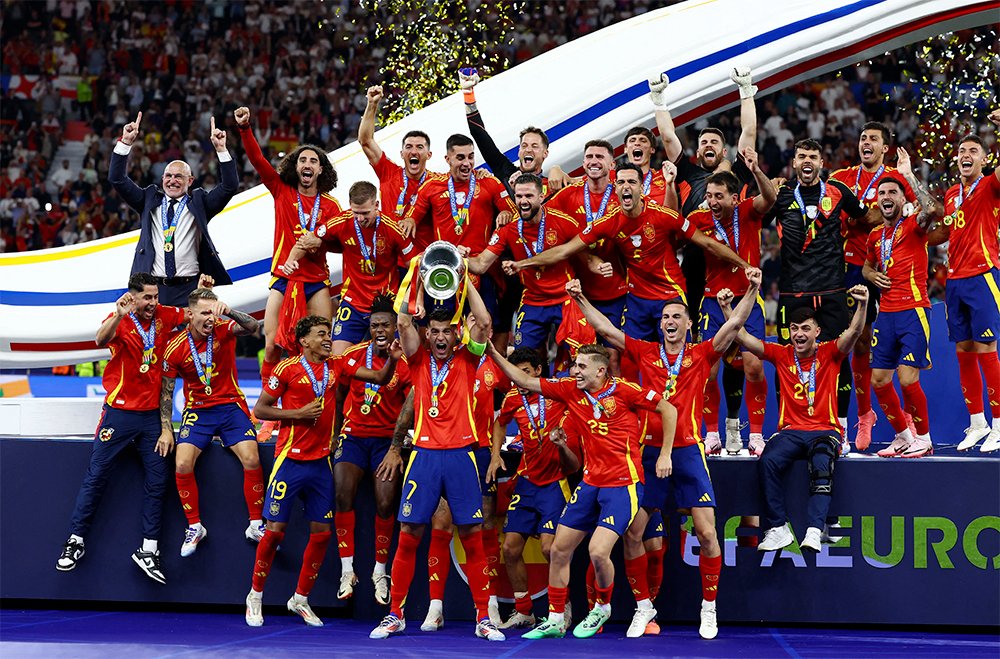
Star players like Yamal, Cubarsi, Pedri, and Williams will be at their peak by 2030. Spain's ball-control style of play will certainly be advantageous during the European summer.
They will also be confident of defending their title in the upcoming European Championship, which will be hosted by the United Kingdom and the Republic of Ireland. This tournament is two years away.
Coach De la Fuente has extended his contract until 2028. This Spanish manager appears ready to achieve much more success on the international stage.
This specific news has been automatically translated by AI. As a result, there may be some inaccuracies or language errors.