Pakistan Seeks $10 Billion US Stabilization Facility
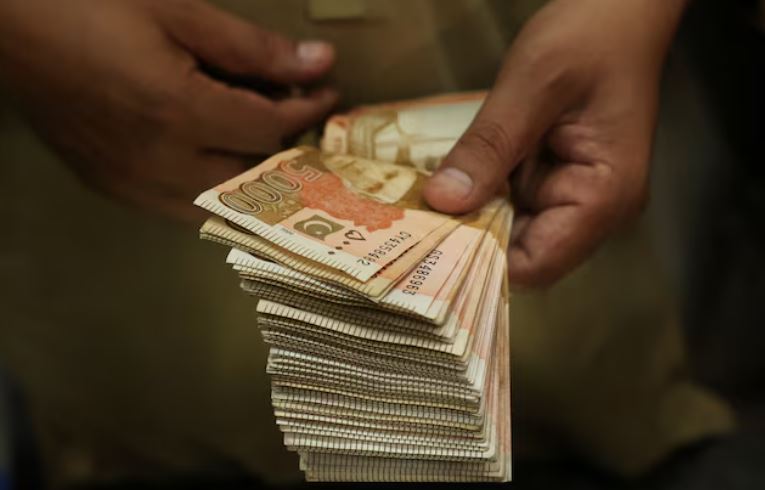
Kathmandu. Following diplomatic mediation to resolve the conflict with Iran, Pakistan has sought a foreign exchange stabilization facility of US$10 billion from America, citing sources as reported by Reuters.
If this proposal is approved, it is expected to be a great relief for Pakistan, which is struggling with an economic crisis. According to Reuters, in a proposal sent to US Treasury Secretary Scott Bessent, Pakistan has requested a bilateral foreign exchange stabilization facility of $10 billion for up to five years.
This assistance is expected to increase Pakistan's foreign exchange reserves, reduce pressure on the Pakistani rupee, and decrease reliance on international financial institutions. However, the US Treasury Department has not commented on this matter, and Pakistan's Ministry of Finance has also not responded immediately.
This request comes after Pakistan played a mediating role in the ongoing tension between the US and Iran. It is said that this proposal has been put forward with the expectation of gaining economic benefits from Pakistan's increased international role due to its diplomatic activism.
Pakistan's Finance Minister Mohammad Aurangzeb met with US Treasury Secretary Scott Bessent in Washington on Tuesday. According to Pakistan's Ministry of Finance, the impact of regional geopolitical tensions on Pakistan's economy was discussed during the meeting.
Aurangzeb stated that further US assistance is necessary for easier access to international capital markets, an increase in foreign exchange reserves, and improvement in Pakistan's sovereign debt rating.
Both sides also reiterated their commitment to expanding economic cooperation, increasing US investment, and collaborating on strategic projects. Pakistan is currently implementing economic reforms under a US$7 billion International Monetary Fund (IMF) program.
Despite the implementation of decisions such as tax increases, government spending cuts, and various economic reforms due to this program, these decisions have become politically unpopular. In 2023, Pakistan received US$3 billion in emergency assistance from the IMF after facing the risk of default. Subsequently, a US$7 billion extended assistance program and an additional US$1.3 billion loan for climate change and natural disasters were also approved.
However, Pakistan's foreign exchange reserves still depend on the support of friendly nations like China and Saudi Arabia, as well as IMF installments. In April, about one-fifth of Pakistan's total foreign exchange reserves were spent while returning a loan of approximately US$3.5 billion to the United Arab Emirates. At that time, Saudi Arabia provided US$3 billion in new assistance.
This specific news has been automatically translated by AI. As a result, there may be some inaccuracies or language errors.



_4uZ7aCRYrO.webp)