Rabi Lamichhane Receives High Honor from India, Analysts Discuss Diplomatic Implications


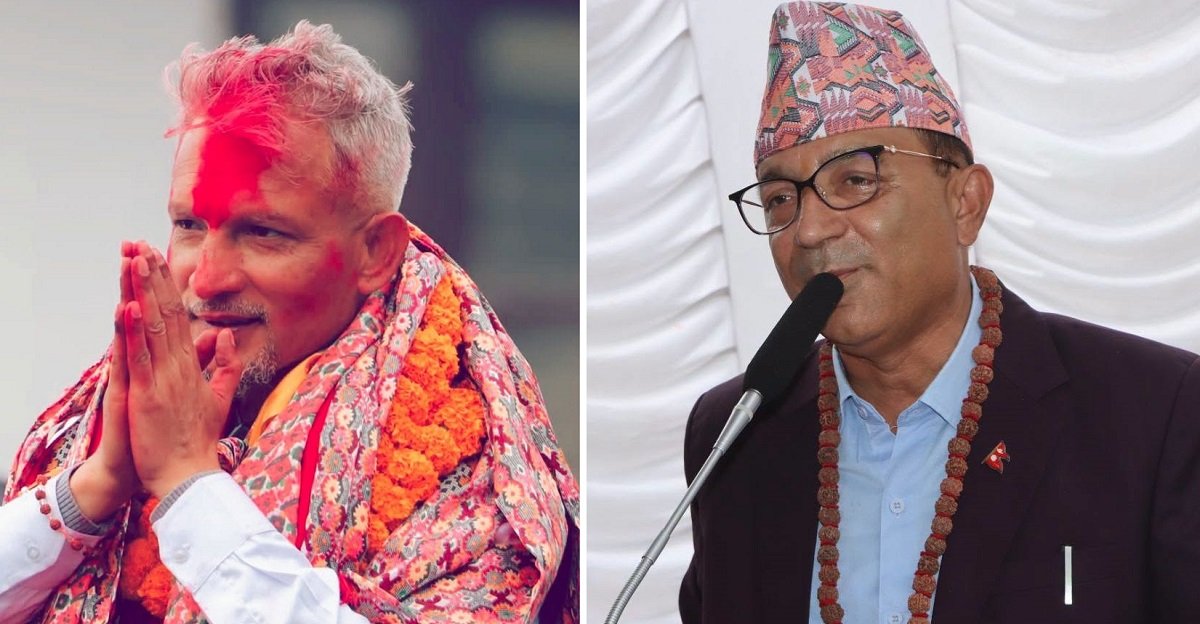
Kathmandu. The high respect received by the chairman of the ruling party Rastriya Swatantra Party (RSP), Rabi Lamichhane, from neighboring country India and its ruling party Bharatiya Janata Party (BJP) is being viewed meaningfully in the diplomatic arena.
During the political change of 2062/63 BS, the then-led Manmohan Singh government gave high importance to then-Prime Minister Girija Prasad Koirala during his visit to India. During the visit to India, then-Indian Prime Minister Singh himself came to the airport to welcome Koirala.
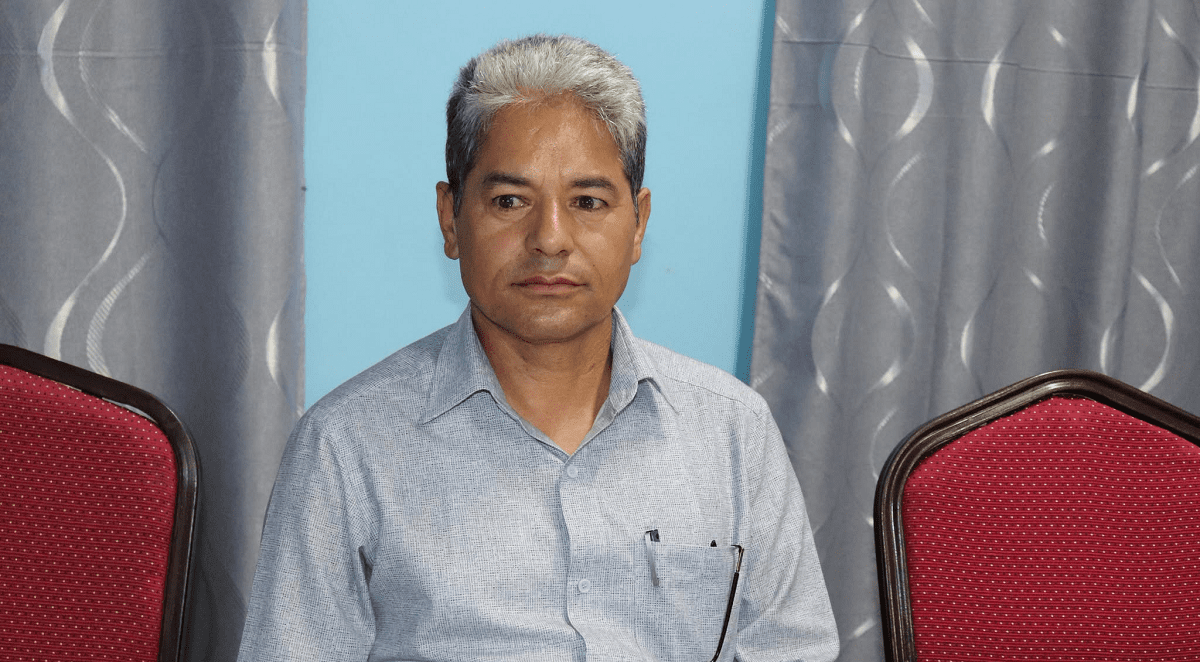
It is being analyzed that Rabi Lamichhane is the leader to receive such high honor after Koirala. During his five-day visit at the invitation of the BJP, Ravi held meetings with India's Prime Minister, Home Minister, Foreign Minister, and other high-ranking party officials. In this regard, political analyst Dambar Khatiwada discussed with RatoPati the impact of Ravi's visit on Nepal-India relations and the party's internal power balance. Presented here is the edited excerpt of the conversation with Khatiwada:
A significant diplomatic signal of RSP's India visit is that generally such relations are at the state-state, prime minister-prime minister, or foreign minister-foreign minister level, not at the party level. Ravi was invited not by the Indian government, but by the president of the ruling party BJP. However, even though invited by the BJP president, the Foreign Minister, Foreign Secretary, National Security Advisor, and Home Minister met him like a state visit, as if it were a Prime Minister's visit.
This indicates a somewhat dangerous signal. Either Prime Minister Balen is incompetent and cannot speak openly for diplomacy, or he lacks that capability. If the coordination between them is good, it could mean that the chairman was put forward because Balen avoided it, fearing that many mistakes could be made during his meetings or conversations. But I don't think so either.
When state-state relations could not proceed well, and Balen's incompetence and indifference were seen towards it, India appears to have practiced a parallel approach. In a situation where state-state relations are not good, India might have used a kind of 'Track Two' or 'parallel diplomacy' to develop party-party relations and resolve state issues from there.
As long as India's relationship with Balen does not improve or become credible, Ravi will remain important to India. If the relationship with Balen never becomes credible, they might use Ravi to displace Balen. This is the only meaning.
The strategy of Balen's faction in the party's central general convention also holds significant meaning. Firstly, being a populist group that believes in Balen's personal popularity and 'heroism', they might not care about party systems, general conventions, and committees. Their psychology might be, 'Let Ravi do whatever he wants with the party, why should we get involved in this hassle as long as we are Prime Minister or allowed to run the government.'
On the other hand, the thought that 'This is a multi-party democracy, the party should not be left like this' might also form in their minds. If this second thought prevails, they will increase interference within the party. If the first thought becomes their strategy, they will not cause much trouble within the party. However, in both cases, regardless of Balen's thoughts, the influence of multi-party democracy and parliamentary systems will affect all groups.
In the long run, Balen cannot survive without the party. Therefore, rather than drawing conclusions immediately by looking at this game, I have set a timeframe of one and a half years for a general estimation. These games will become clear within a year and a half.
In my opinion, since the government has just been formed, Ravi and his group will not try to overthrow the government. If the message goes out that Ravi has been removed from the chairmanship and the party has been captured, then both the government and the party will go to Balen's camp, which would be a bit complicated. Therefore, I think they will continue with the current power balance for at least six months to a year and a half. Only then will the power balance or strategic imbalance within them become clear, it seems.
It can be said that Ravi is becoming more powerful in the current power balance. This is because reasons such as Balen not wanting to meet the Foreign Secretary when he came and Balen himself not going to India for a visit weaken his acceptability. The psychology of 'He showed arrogance, we will show him' will develop. In that sense, Ravi appears a bit more powerful in the immediate context.
However, such things do not hold long-term significance in Nepal's politics. While there is an aspect of analysis regarding where international power centers play and what they do, the main thing is our internal politics.
The extent to which the public is satisfied or dissatisfied, how much anti-government protests increase, what the public psychology becomes, what the internal contradictions and factional struggles within the party are like, and how the government performs will have a greater impact. Therefore, I don't think India's recognition alone holds much significance in Nepal's internal politics.
This specific news has been automatically translated by AI. As a result, there may be some inaccuracies or language errors.

_CiyNEtuLZ6.jpg)