Reflecting on 20 Years of Democracy in Nepal: Achievements and Challenges


Let us recall the scenes of that day. Red flags were waving on the streets. Ordinary people were celebrating the victory, smeared in vermilion. There was joy on their faces. Bidding farewell to the harsh, cruel, and terrifying days, they were welcoming the democracy that had risen on the horizon. Even the injured, struggling in hospitals with bullets in their chests, were smiling. Families of martyrs were also wiping away their tears.
This is a remembrance of Baisakh 11, the golden day when the traditional autocratic Shah dynasty rule ended after the 2062/063 movement. On that day, the monarchy had knelt down.
It was the historic day when the People's Movement, which took place after the 12-point agreement between the then armed CPN (Maoist) and the seven political parties engaged in a peaceful street movement, became successful. It paved the way for drafting a golden blueprint for a new Nepal. It also transformed the country from bloodshed to peace.
It has been 20 years since democracy was established today. What did the citizens expect from democracy? Have all those expectations been met over these years? Let us discuss a little.
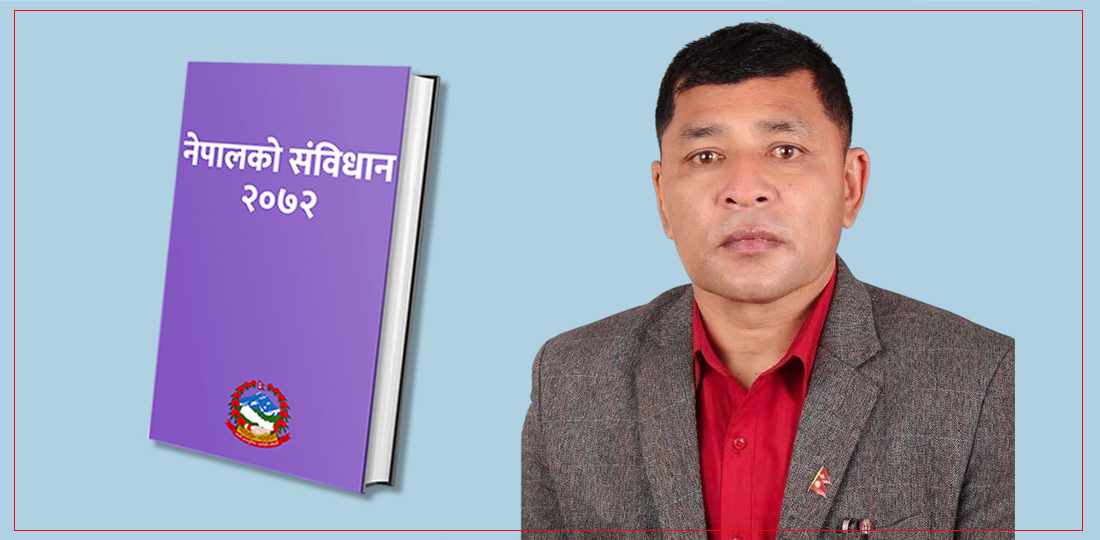
Did nothing happen after the establishment of democracy? A lot happened. The monarchy ended, and a federal democratic republic was established. The constitution was drafted, and the republic was established. The 2072 constitution was promulgated. The federal structure was implemented. Strong local governments were formed. Periodic elections were held at the federal, provincial, and local levels. Human rights, freedom of expression, and press freedom were ensured. Media developed and expanded. Modern communication technology gained speed.
There can be no alternative to democracy other than an advanced democracy. And for that, citizen vigilance and activism are always mandatory. We have no choice but to further strengthen democracy by fulfilling tasks such as addressing citizens' expectations, law enforcement, transparency and accountability, electoral system reform, and strengthening internal democracy within parties.
Inclusivity and representation were ensured in various bodies and places. Political awareness and participation increased among women, Dalits, Janajatis, Madhesis, and others. The ten-year armed conflict ended. Along with roads, education, and health, local development and infrastructure expanded. Citizen awareness and participation increased. Judicial and constitutional bodies were formed. These and similar indicators of change and development confirm many changes.
However, the expectations and aspirations of the citizens were that changes should be reflected in their daily lives. Political stability and good governance, the end of corruption, economic prosperity and employment, opportunities within the country, and an accountable and transparent government were its dimensions.
When politics could not clearly intervene in these and similar issues, voices of dissatisfaction began to rise. In fact, democracy opened the golden door of change, but it became clear that there is still a lot of work to be done to strengthen democracy by fulfilling the aspirations of the citizens.
Every year on Democracy Day, formalities like morning processions, lectures, offering garlands, lighting lamps, and cleaning programs are done to fulfill the obligation. It should be something else. Responsible parties should become serious about completing the remaining tasks and work to strengthen democracy.
- Is there an alternative to democracy?
Time and circumstances have changed. The then major parties that fought a long battle for democracy, such as the Nepali Congress, CPN (UML), and the then CPN (Maoist), now the CPN, have shrunk to unexpectedly small sizes. The newly emerged Rastriya Swatantra Party (RSP) has achieved an extraordinary victory in the election held after the Gen-Z movement.
From time to time, voices seeking an alternative to democracy are raised. The entire system also bears the blame for it. That is, voices to reverse the achievements gained after the 2062/063 People's Movement are also being raised here and there.
However, in today's world order or among the various types of governance systems practiced around the world, democracy is the system that has plenty of room to be made more and more prosperous. History has taught us that rather than any system brought in place of democracy, democracy itself can be nurtured to become a tool for fulfilling the highest aspirations of citizens.
Therefore, there is no alternative to the judiciary, parliament, independent press, democratic institutions, and citizens themselves becoming active for this.
Because there can be no alternative to democracy other than an advanced democracy. And for that, citizen vigilance and activism are always mandatory. We have no choice but to further strengthen democracy by fulfilling tasks such as addressing citizens' expectations, law enforcement, transparency and accountability, electoral system reform, and practicing internal democracy within parties.
The main thing is that for maintaining the dignity, trust, and faith in democracy, cooperation and dialogue between the parties that fought to bring democracy and the current elected government are mandatory. Those currently in power and those in opposition are the protectors of this system. Therefore, they have no choice but to be firm in the defense of democracy.
The ruling party RSP should also responsibly utilize the mandate received from the people and work towards strengthening democracy, which is the current citizen mandate. No one has the right to betray the mandate given by the citizens.
No one has the right to go off the democratic track. Because the alternative to democracy can never be regression.
This specific news has been automatically translated by AI. As a result, there may be some inaccuracies or language errors.