Middle East Tensions Threaten Nepal's Air Connectivity, Tourism Sector Faces Crisis


The escalating tensions in the Middle East have put Nepal's international air connectivity lifeline in jeopardy. With key transit hubs like Qatar and Dubai affected, there is a growing risk of tourist arrivals halting, airfares skyrocketing, and the peak trekking season being devastated.
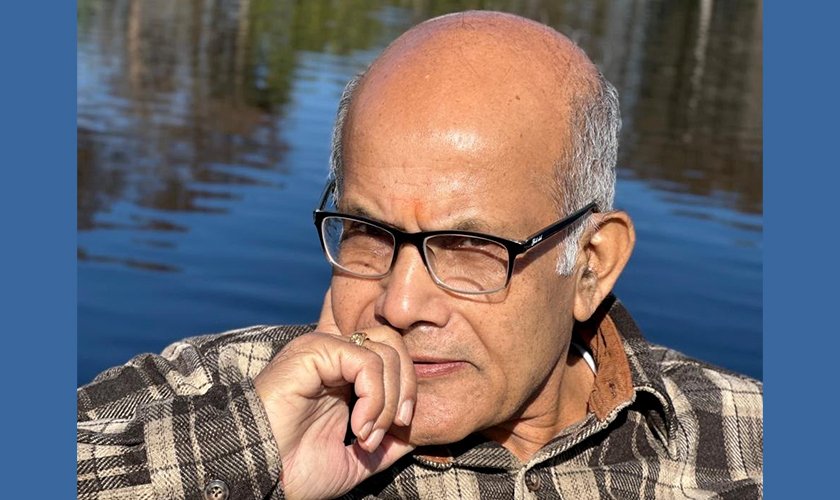
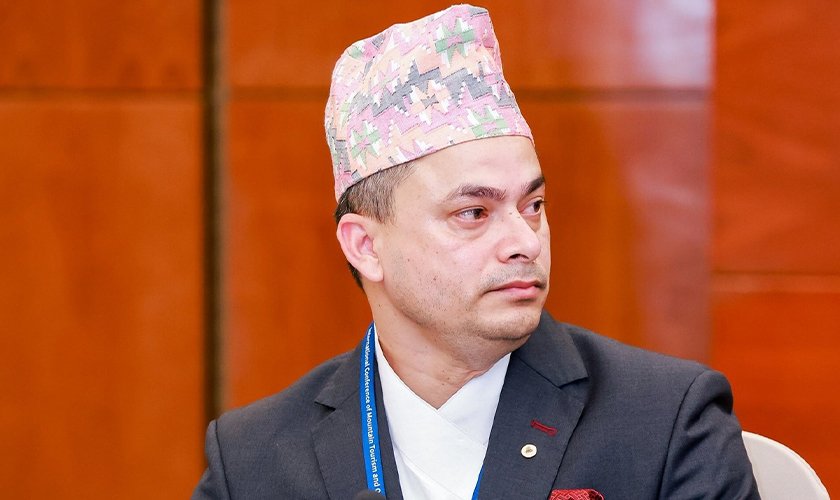
In this context, Ratopati's Amrit Chimariya spoke with Kumarmani Thapaliya, President of the Nepal Association of Tour and Travel Agents (NATTA).
Currently, the tension in the Middle East is worrying the entire world. What initial impact are you seeing on Nepal's tourism and aviation sectors?
Frankly speaking, we are currently facing a very serious and unexpected crisis. Nepal is a landlocked country, and over 90 percent of our international connectivity depends on air travel. Furthermore, the Middle Eastern countries are our 'lifeline' or main 'transit hubs'. The current tension making air routes unsafe and leading to flight cancellations is akin to closing Nepal's door to the rest of the world.
Right now, we are all in a 'wait and watch' situation. This crisis is dire not just from a tourism perspective, but also from humanitarian and economic viewpoints. Not only are foreign tourists coming to Nepal affected, but Nepali students, workers, and businesspeople traveling out are equally impacted. Especially those passengers who were supposed to transit through Middle Eastern countries to reach Europe or America are now in limbo. Many visas are expiring, and many important engagements are being missed. Therefore, this is just the initial impact; if the situation does not normalize quickly, it is certain to inflict a deep and long-term wound on the tourism sector, which is considered the backbone of Nepal's economy.
Middle Eastern airlines play a decisive role in Nepal's air connectivity. Which airlines' flights are most affected currently, and what pressure is this putting on passenger movement?
Qatar Airways, Flydubai, and Emirates hold a very large market share in Nepal's international flights. Looking at the statistics, Qatar Airways used to operate three daily flights, while Flydubai operated up to four daily flights. These two airlines alone were serving nearly two thousand passengers daily. Most tourists coming to Nepal from Europe and America choose these airlines as their first option because their connectivity is excellent.
Now that these flights are affected or canceled, thousands of passengers are stranded. Currently, Turkish Airlines is the only reliable alternative we have. However, a single airline cannot handle the entire pressure. This has disrupted the balance of demand and supply. Passengers who must reach their destinations today or tomorrow are trying alternative routes, but those routes are currently very expensive and cumbersome.
What is the status of the number of passengers stranded in transit or in Nepal, and how is their management proceeding?
According to informal data we have, about 2,500 to 3,000 passengers are being affected daily on this route. This is not a small number. The situation of passengers stranded in Dubai, Qatar, or other transit points is even more worrying. One positive piece of news is that the Dubai government has issued a circular to hotels there, instructing them to submit the hotel and food bills for stranded passengers to the government. This is the action of a responsible government.
However, no such arrangement has been made in Nepal's context. Tourists who came to Nepal and are now stranded due to flight cancellations have to bear their own hotel expenses. Many passengers returned disappointed after reaching the airport only to find their flights canceled. Airlines have issued notices asking people not to come to the airport without clear information, but many passengers are suffering due to expired hotel stays or lack of funds. From NATTA's side, we have urged our business friends to provide services to passengers at concessional rates, but this problem cannot be solved by individual efforts alone. It requires a concrete policy and initiative from the state.
How much anxiety has this crisis caused for tourism entrepreneurs and investors right before the peak trekking and mountaineering season in Nepal?
This season is our 'peak season'. Tourists from all over the world come to Nepal specifically for trekking and mountaineering during this time. We had expectations of increased tourist arrivals with new enthusiasm following the recent elections. However, the Middle East tension has dealt a major blow to that enthusiasm. Many foreign tourists have started canceling their bookings.
Tourism is a business where tourist trust and security are paramount. If they find it difficult to reach Nepal or fear they cannot return once they arrive, they will not come. Several countries in Europe and America have issued travel advisories warning their citizens against traveling via the Middle East. This has put our trekking season in jeopardy. Entrepreneurs in hotels, travel agencies, airlines, and small businesses who made significant investments for this season are very worried. If this situation prolongs for another 15-20 days, there is a possibility that our entire spring season will be destroyed, which would be an irreparable loss to our tourism economy.
Israeli tourists are particularly visible in trekking in Nepal. How is this war and tension affecting the Israeli market, and what impact is being seen in Nepal?
Israeli tourists are very old and reliable tourists for Nepal. In Israel, after young people complete their military training, the government grants them a long leave and a certain amount of money. Nepal has been the first choice for Israeli youth to spend that leave. They are seen in large numbers on routes like Annapurna Base Camp and Everest Base Camp. This was a tradition that had been ongoing for about two decades.
However, Israel itself is now at the center of the war. Its youth are not in a position to take leave now. Many of their citizens have been recalled for military service. As a result, the number of tourists coming from the Israeli market is almost zero. Not just Israel, but all markets coming from or transiting through the Middle East are affected because the entire region is a transit hub. A large portion of our tourism comes from Israeli and European tourists, and both groups are currently uncertain.
There are complaints about soaring air ticket prices. Are airlines taking advantage of this crisis, or are there other technical reasons behind it?
This is a normal rule of the market—when demand exceeds supply, the price increases. But in the current context, this has become a serious problem, not just a rule. When main routes are closed and only a few limited airlines operate flights, getting a seat becomes difficult. When one flight is canceled, three to four hundred passengers from that flight try to take the next one, causing the price of available seats to skyrocket.
In some cases, ticket prices have been found to be double or triple the usual rate. This is discouraging tourists from coming to Nepal. Someone sets a specific budget for visiting Nepal, but if that budget is exhausted just on air tickets, they postpone their trip. This is not solely in the hands of the entrepreneurs; it also depends on international air fuel prices, extra costs incurred due to route changes, and aircraft availability. However, during such a crisis, the regulatory body needs to monitor and control artificial scarcity and excessive price hikes.
What diplomatic and technical initiatives does NATTA suggest the Government of Nepal and the Civil Aviation Authority should take to resolve this crisis?
We have repeatedly stated that the government should be more active during such crises. Currently, the government seems preoccupied with internal matters like elections and the silence period, but an international crisis is knocking on our doorstep. Our first suggestion is that Turkish Airlines is currently the only reliable alternative. Turkish Airlines currently operates only five flights a week. The government should immediately engage in diplomatic efforts to increase this to two or three daily flights. As the number of flights increases, passenger load decreases, and prices will be somewhat controlled.
Secondly, connectivity through various Indian cities (Delhi, Mumbai) needs to be made more effective. And most importantly, Nepal Airlines (the national flag carrier) must be mobilized effectively during such a crisis. If we had our own strong national carrier operating direct flights to Europe or other major destinations, we wouldn't have to rely solely on others' transit points like this. This is the time for the government to think long-term.
How much risk does this crisis pose to the employment of thousands of guides, porters, and staff associated with the tourism sector?
Tourism is a sector that provides direct employment to many people. Nepal has over 4,000 travel agencies and over 3,000 trekking companies. Overall, this sector employs lakhs of people. Many of them are daily wage workers like guides and porters. They earn their entire year's expenses by working during this peak season.
If tourists do not arrive, those guides and porters will not get work. When hotels remain empty, there are problems with the salaries of their staff. This creates a chain effect. Entrepreneurs cannot repay bank loans, which can also affect the overall banking sector. Therefore, this is not just a problem for a travel agency; it is a social and economic crisis. We were just beginning to recover and revive from the COVID-19 pandemic, but this Middle East tension has brought another deep crisis.
This crisis has also exposed weaknesses in Nepal's tourism strategy. How should we formulate a new strategy now to avoid such external crises in the future?
A very relevant question. This crisis has taught us a big lesson—we should not put all our eggs in one basket. That is, we should not rely solely on Middle Eastern transit. We must strengthen and make direct our air connectivity with China, India, and other Southeast Asian countries.
Furthermore, we must make special concessions and diplomatic efforts to bring airlines operating direct flights from Europe and America to Nepal. If the international airports in Bhairahawa and Pokhara could be operated at full capacity, this pressure would not be concentrated only in Kathmandu today. We need to explore new and diverse markets for tourists. Instead of relying only on trekking, we must also promote religious, cultural, and conference tourism so that if one sector is affected, another can sustain it.
What is your final expectation from the Government of Nepal?
My expectation from the government is that tourism should be considered a priority sector not just in speeches but also in practice. Diplomatic missions should be activated, and immediate steps should be taken to control airfares and increase flights. If the government fails to make courageous and judicious decisions now, it may take many years for our tourism sector to regain momentum. NATTA is ready to provide any cooperation, but the leadership must be taken by the state.
This specific news has been automatically translated by AI. As a result, there may be some inaccuracies or language errors.