Crude Oil Price Surges Past $100 Per Barrel Amid West Asian Conflict

Kathmandu. The price of crude oil has reached $100 per barrel for the first time since May due to fears of global energy supply caused by the escalating conflict in West Asia.
The price of international benchmark Brent crude rose by more than 6 percent on Thursday after the United States intensified its military attacks against Iran.
The price saw a sudden surge after Houthi rebels in Yemen attacked oil tankers in the Red Sea. This major route, which Saudi Arabia uses to export oil bypassing the Strait of Hormuz, is now under threat.
Along with oil, the price of gas has also been continuously increasing for the past month. The price of Britain's benchmark gas, which was 98 pence per therm at the end of June, has now increased to 150 pence.
Previously, the price of oil had been declining after a temporary ceasefire between the United States and Iran. The price had fallen to the level before the US and Israel launched military action against Iran on February 28.
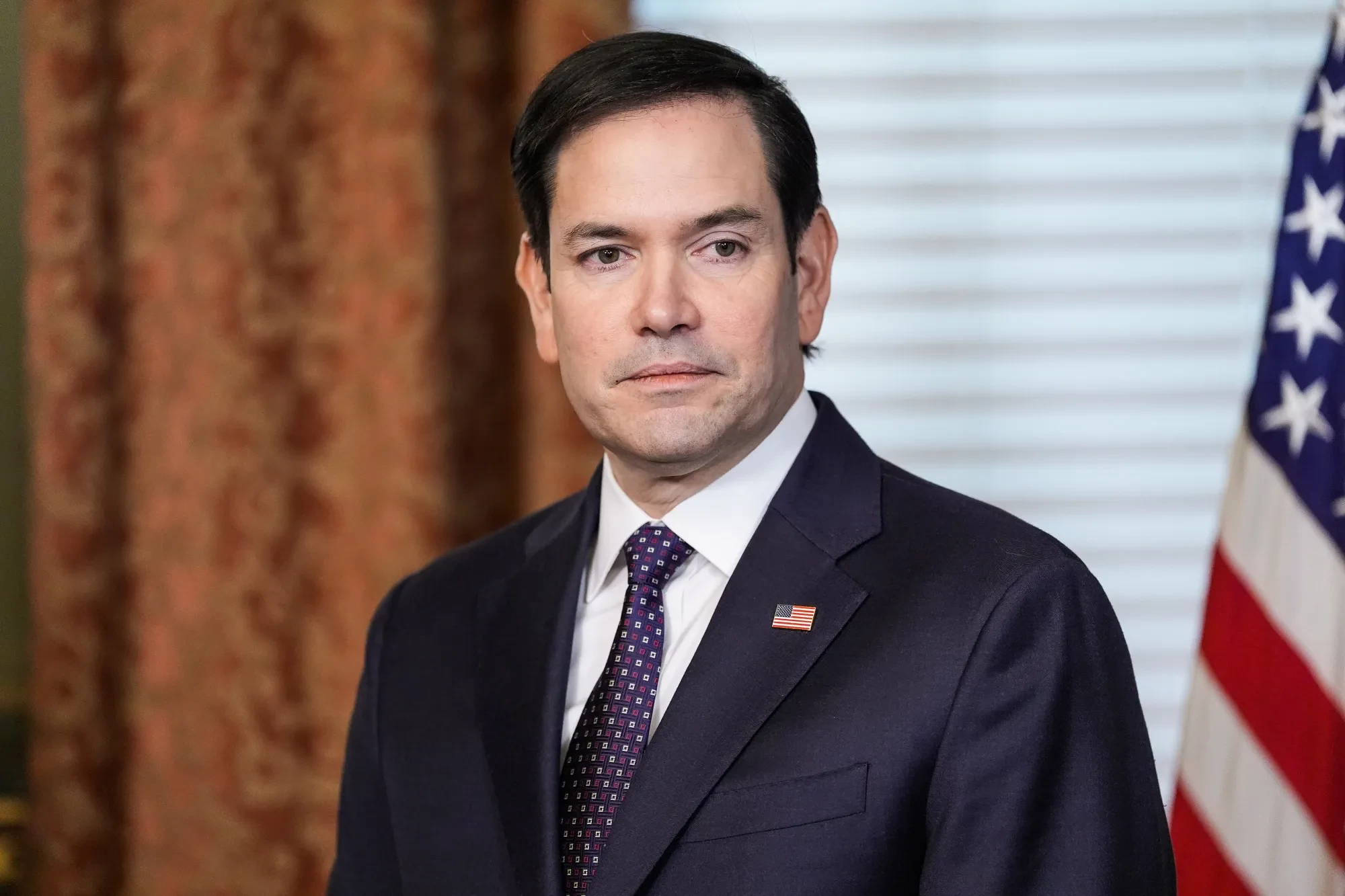
However, the ceasefire could not be maintained. US Secretary of State Marco Rubio said that the rulers of Iran are 'not ready for a deal'.
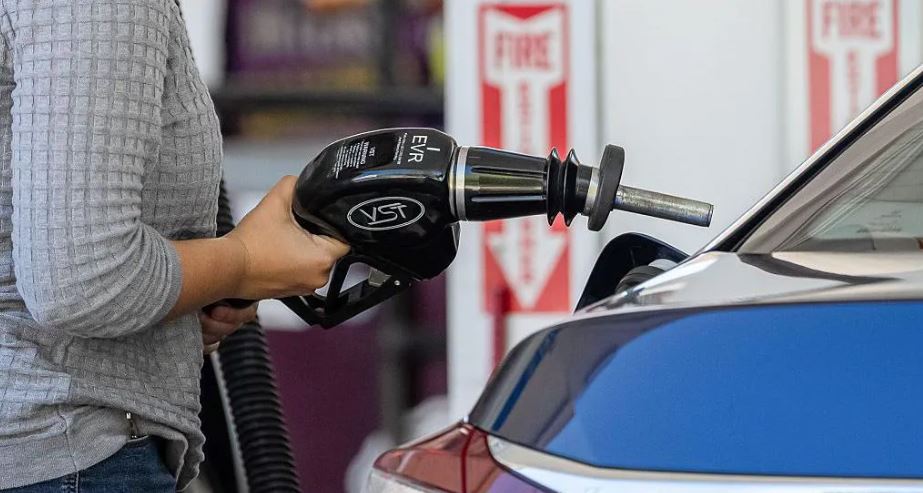
Due to the ongoing conflict, the risk of inflation increasing in many countries and consumers bearing the brunt of price hikes has increased. When oil prices rise, petrol and diesel generally become more expensive. This directly affects drivers, and as transportation costs increase, the prices of other goods, including food, also rise.
In Britain, the price of petrol has increased by 5 pence per liter to about £1.56 in two and a half weeks. Similarly, the average price of diesel has reached £1.72 per liter. In the US, the average price of gasoline has also exceeded $4 per gallon.
The newly appointed chairman of the US Federal Reserve, Kevin Warsh, said in Congress last week that the central bank would not tolerate high inflation. US President Donald Trump had pressured the former chairman, Jerome Powell, to lower interest rates, and he expects the same from the new chairman.
However, at the meeting held last month, the Fed kept the interest rate unchanged between 3.5 and 3.75 percent. Warsh stated that he is committed to controlling the impact of the West Asian conflict on price increases and maintaining price stability.
This specific news has been automatically translated by AI. As a result, there may be some inaccuracies or language errors.