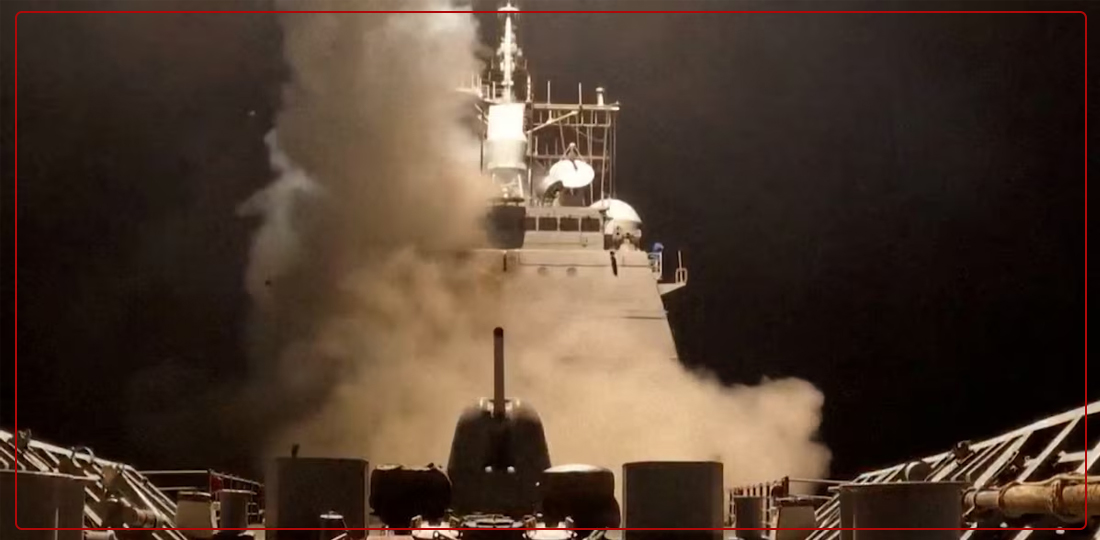
Canada Cancels Joint Gordie Howe International Bridge Opening Ceremony with US Amidst Trump's Trade Threats
Ottawa. Following US President Donald Trump's threat of trade sanctions, Canada has cancelled the opening ceremony of the Gordie Howe International Bridge, which was to be jointly organized by the US and Canada.
Jenna Ghasabeh, spokesperson for Canadian Infrastructure Minister Gregor Robertson, stated that it would not be appropriate for the two countries to celebrate together at a time when the US administration threatened trade action this week. She said the bridge would be operational as per the pre-scheduled date from July 27, but the joint ribbon-cutting ceremony planned for July 24 has been cancelled. Canada has announced that it will celebrate the opening with its own citizens on July 24, without a joint event with US officials. Earlier, government officials from the US and Canada were planned to participate in the ceremony. On Monday, President Trump had announced a 50 percent tariff on various goods imported from Canada. The US administration announced new tariffs, alleging that Canada has discriminated against American-made cars, alcohol, and dairy products. It is after this decision that Canada has decided to cancel the joint opening ceremony. The Gordie Howe International Bridge, built at a cost of approximately 4.7 billion US dollars, connects Windsor (Ontario) in Canada and Detroit (Michigan) in the US. The bridge is named in honor of Gordie Howe, a famous hockey player for the Detroit Red Wings. This bridge was initially planned to be operational in June, but the inauguration was postponed due to various technical and political reasons. In February, Trump had also warned of halting the bridge project, stating that Canada does not sell some American liquors, imposes duties on dairy products, and is advancing trade talks with China. Later, the project was moved forward after an agreement was reached between the two countries regarding the bridge's toll fees.
This specific news has been automatically translated by AI. As a result, there may be some inaccuracies or language errors.
_4uZ7aCRYrO.webp)