Government to Implement Mobile Phone Broadcast System for Disaster Warnings

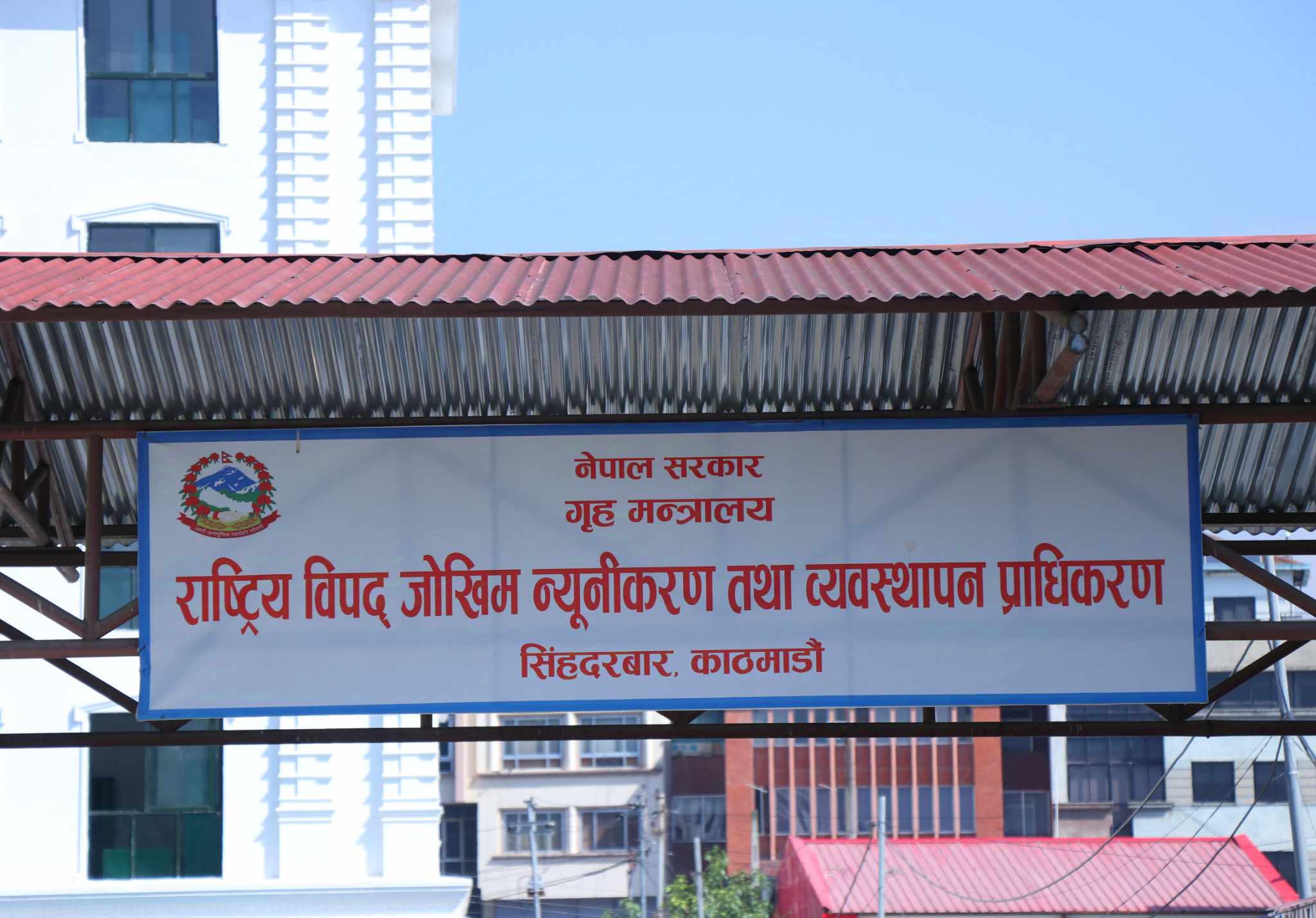
Kathmandu. The government is implementing the mobile phone broadcast system (cell broadcast) with the objective of making disaster early warning and necessary information more effective and faster.
A discussion was held today on the preparation to provide disaster early warning through the 'mobile phone broadcast system' under the chairmanship of the executive chief of the National Disaster Risk Reduction and Management Authority, Pradeep Kumar Koirala, in the presence of the head of the Disaster and Conflict Management Division of the Ministry of Home Affairs, Suresh Panthi. Representatives from federal ministries and concerned bodies related to disaster management and telecommunications participated in the discussion.
According to the authority, the mobile phone broadcast system is an important part of the integrated early warning system. The authority stated that through this system, using the 'radio access network' of mobile communication, disaster warning messages can be sent simultaneously to all citizens' phones in risk-prone geographical areas.
Binod Parajuli, a flood expert from the Department of Hydrology and Meteorology, who was present at the meeting, informed that the toll-free service and SMS system have been used for disaster early warning so far. He mentioned that the SMS system has problems with messages being delivered late, some users not checking messages, and delivery taking hours.
"After the cell broadcast system is implemented, warning messages will reach the mobiles of all citizens in the risk area simultaneously," Parajuli said. "Since a special sound like a siren will be played on the mobile, it will attract the attention of the user even if they don't check the message. This will help in timely alerting citizens during the night."
According to him, millions of citizens can be informed simultaneously through this system. He informed that there is a plan to send early warnings through this system not only for floods and landslides but also during other natural and human-induced disasters.
According to Parajuli, the feasibility study of this system has been underway since last year. According to preliminary estimates, the cost of implementing the system could range from NPR 400 million to NPR 750 million. He stated that necessary coordination and further technical discussions are ongoing among the relevant government bodies.
This specific news has been automatically translated by AI. As a result, there may be some inaccuracies or language errors.
_ijSbeqwHME.jpg)