Farmers Face Double Loss Due to Poor Cold Storage and Road Obstructions

Kathmandu. Every year, as soon as the monsoon arrives in Nepal, farmers face the fate of their green vegetables and fruits produced in the hilly and terai regions rotting in the fields or being sold at low prices because they cannot be brought to market. Farmers are forced to discard their produce due to road blockades and lack of market on one hand. On the other hand, there are not enough cold storage facilities. The existing cold storages have been lying unused and abandoned for years. Despite the federal, provincial, and local governments at all three levels presenting grand plans for 'agricultural revolution' and 'self-sufficiency', many cold storages are not operational due to their weak practical implementation and management weaknesses.
The state makes long-term plans for the improvement of the agricultural sector. However, due to the lack of effective implementation and monitoring, real farmers have never received any relief. The lack of a mechanism for proper storage and marketing of produce results in the wastage of farmers' labor and sweat, while consumers are forced to consume expensive imported vegetables. Farmers are directly suffering due to the non-operation of cold storages.
Farmers in Double Jeopardy
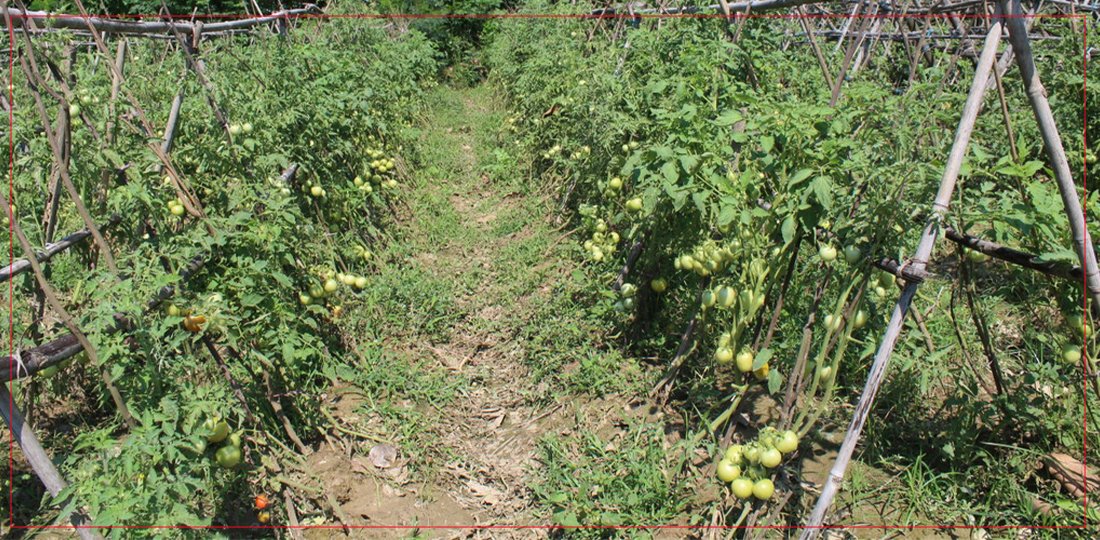
As soon as it starts raining, the agricultural roads connecting villages to the main highways and market centers become muddy and landslide-ridden, disrupting rural transportation links. When the road network is broken, farmers cannot bring the green vegetables, fruits, and dairy products they have cultivated with months of hard work to the market. Perishable vegetables like tomatoes, cauliflower, cabbage, beans, and peas are either rotting in the fields due to lack of transportation or farmers are forced to sell them cheaply to livestock. Tractors and cargo vehicles are reluctant to enter villages during the rainy season for fear of getting stuck in the mud, and even if they do, they charge more than double the fare. Farmers face a double blow due to the excessive increase in transportation costs on one hand and the decline in the quality of vegetables and lack of price realization due to delayed arrival in the market on the other.
The cold storage handed over by the Sudurpaschim Province government to Dodhara Chandani Municipality in the fiscal year 2079 has not been operational yet, leading to the problem of potatoes and onions and other vegetables of local farmers rotting. This structure, completed at a cost of 6 million rupees, has become unusable, causing concern among local farmers. A similar problem exists in Patan Municipality of Baitadi. Wards number 8, 9, and 10 are known as potato pocket areas. Although farmers here are earning lakhs by commercially cultivating potatoes and off-season vegetables under the 'Shiddeshwor Brihat Aalu Kshetra Vistar Karyakram' (Shiddeshwor Large Potato Area Expansion Program), they are facing great hardship due to the inconvenience of cold storage. Here, potatoes have to be taken to Dadeldhura to preserve the seeds, and two cold storages built with provincial and federal government investment in the Khodpe area have been lying abandoned for years without operation.
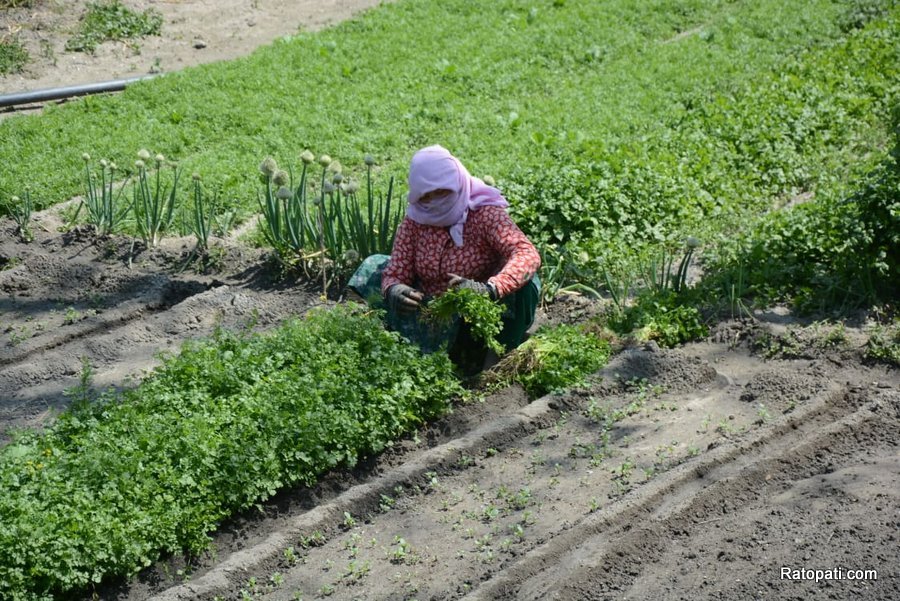
In major vegetable-producing districts like Dhading, Kavre, Makwanpur, Dhankuta, Sarlahi, and Ilam, roads are blocked by landslides as soon as the rainy season begins, causing green vegetables like tomatoes, cabbage, and cauliflower to rot on the way, and farmers are continuously forced to sell them at the minimum price set by middlemen.
Plans Exist, But Incomplete
In the fiscal year 2075/076, the Bagmati Province government had put forward an ambitious concept of 'One District, One Cold Storage' with the objective of selling farmers' produce at a fair price during the off-season. Under this plan, the construction of 12 cold storages at a cost of approximately 1.05 billion rupees was started in partnership with local levels, cooperatives, and the private sector.
More than six years have passed since the construction began, but many cold storages have not become operational, according to a high-ranking official of the ministry. 'In some places, even though the physical structures are ready, they are lying abandoned because the Time of Day (TOD) meter for electricity has not been installed or the operational procedures have not been formulated, while in some places, the construction work itself is incomplete,' he said.
A similar dire situation is seen in the Madhesh Province. Although agreements were made to build one cold storage in each of the eight districts in the fiscal year 2075/076, these projects have now turned into rusting iron structures due to lack of budget, land disputes, and contractor negligence. Cold storages built or under construction in Khairahani of Chitwan, Benighat of Dhading, Banepa of Kavre, Rajbiraj of Saptari, and Hile of Dhankuta are closed, with crores of investment wasted due to land disputes, high-tension power line obstructions, or lack of coordination.
Numerous technical, policy, and managerial weaknesses are responsible for such important agricultural infrastructure projects being left incomplete. The first weakness is the weak preparation of the Detailed Project Report (DPR) before starting the project, where budget is allocated haphazardly without studying the feasibility of minimum infrastructure such as suitable land, three-phase electricity supply, and road access. The second reason is the complex partnership model between the government, cooperatives, and the private sector, where contractors abandon work midway due to the lack of a clear framework for cost sharing and responsibility distribution.
A joint secretary at the Ministry of Agriculture, who has also served as the agricultural secretary of the Bagmati Province, says, 'The third problem is the lack of necessary coordination with the Nepal Electricity Authority for the installation of high-capacity electricity, transformers, and special meters required for operating cold storages.'
_CIpXS76boz.jpg)
Supply Chain Affected by Lack of Cold Stores
Avinash Silwal, an agricultural market economist working in the field of agricultural market and cold chain management, states that the construction and operation of cold storages have become an essential requirement in Nepal's agricultural system. According to him, the biggest weakness in Nepal's traditional supply chain is the lack of cold chain and organized transportation. 'The lack of places to safely store vegetables during the monsoon when roads are blocked or when supply exceeds market demand has seriously affected the country's food security and market balance,' says Silwal.
Due to the lack of proper storage facilities, farmers are forced to sell their produce at low prices immediately and fall into the hands of middlemen.
'If farmers themselves or through cooperatives can create an environment to safely store vegetables for a few days, they can earn more than 30 percent profit, and consumers can also get cheaper and fresh vegetables,' he says.
According to experts, it is shameful that cold storages, which have received billions of rupees in investment from the state, are lying abandoned either due to the unavailability of electricity meters or the absence of operational procedures. Therefore, the best option now is to immediately resolve the technical problems of these ready-to-operate cold stores and bring them into operation through cooperatives, local farmer groups, or public-private partnership (PPP) models.
This specific news has been automatically translated by AI. As a result, there may be some inaccuracies or language errors.

_g99Ybvsyzc.jpg)
_xOu7dGKiBV.jpg)