Federation of Commerce and Industry Chairman Anjan Shrestha emphasizes parallel development of production and transmission infrastructure for sustainable energy sector

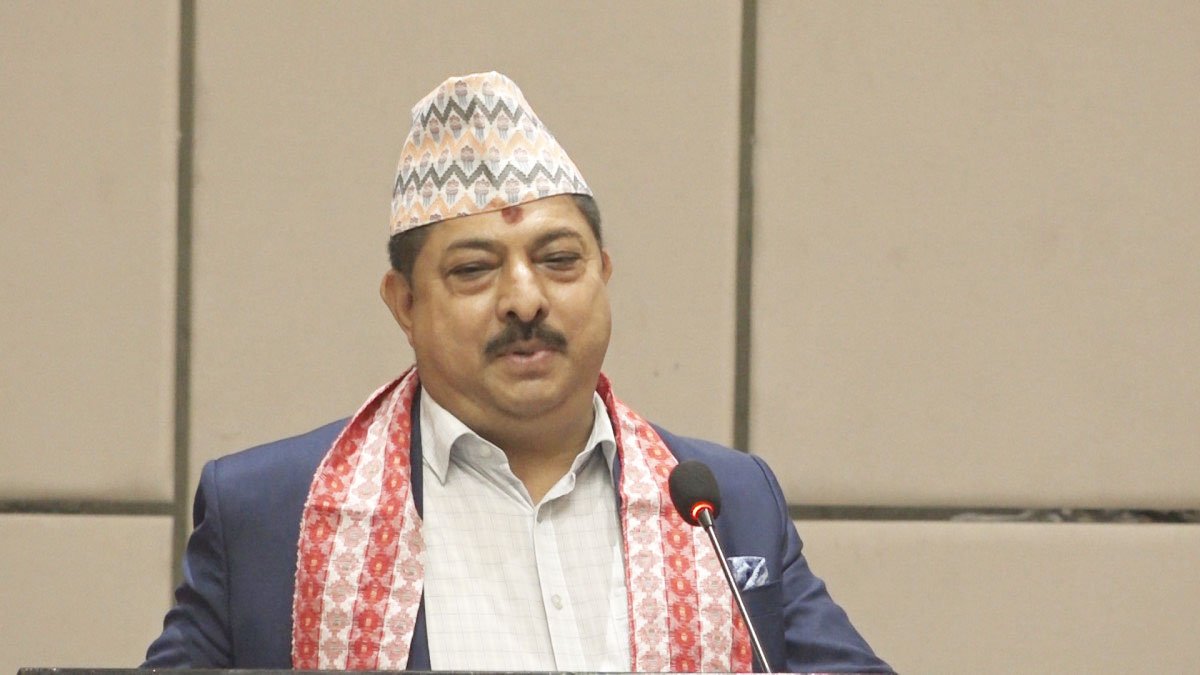
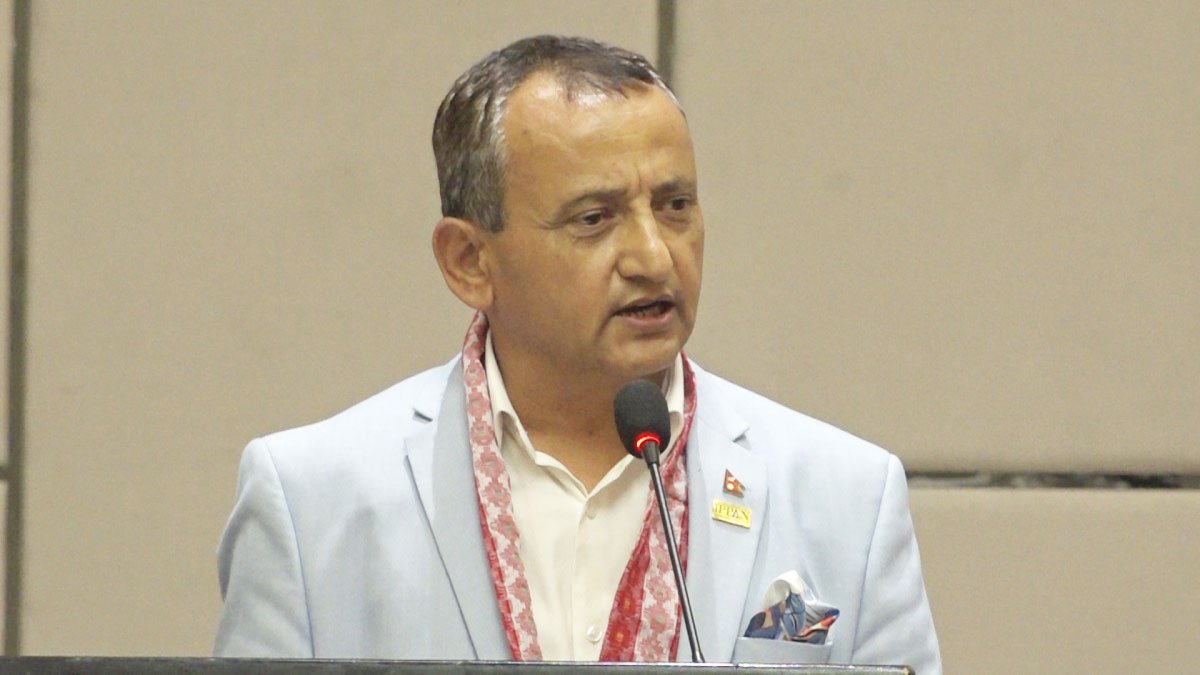
Kathmandu. Chairman of the Federation of Nepalese Chambers of Commerce and Industry, Anjan Shrestha, has stated that parallel planning of production and transmission infrastructure is necessary for the sustainable development of the country's energy sector.
Speaking at a program organized by the Nepal Economic Journalists Association (NEFEJ) on the topic 'Challenges of Electricity Infrastructure Construction and the Way Forward', Chairman Shrestha expressed this view.
Chairman Shrestha, describing energy as a global strategic resource, warned that if Nepal does not utilize and mobilize its natural resources at the right time, geopolitical risks could increase in the future. He noted the significant contribution of the private sector in reaching Nepal's installed electricity capacity to 4,130 megawatts and exporting up to about 1,300 megawatts.
Stating that the private sector has welcomed the government's goal of producing 28,000 megawatts and exporting 15,000 megawatts by 2035, he claimed that the private sector is now technically and financially capable of constructing large projects.
- Need for 'Land Pooling' in Land Acquisition and Problems of Industrial Areas
Shrestha argues that the energy sector is facing major challenges due to a lack of planned development. Pointing out that land acquisition is the main obstacle for energy projects and industrial development, he suggested the government implement the concept of 'land pooling'. He stated that land-related disputes can only be resolved by adopting a scientific method of acquiring land in a specific area for development projects and providing remaining land and appropriate compensation after the project is completed.
Chairman Shrestha objected to the 'unannounced load shedding' happening in industrial areas. He alleged that even though load shedding has ended in Kathmandu, industries in the Terai industrial corridors are being forced to shut down based on telephone calls.
He said, 'Today the whole world is in a phase of energy-centric competition. If a resource-rich country like Nepal fails to utilize its natural resources in time, there is a risk of losing a great opportunity in the future.'
He stated that many projects have been prepared but could not be operated due to the lack of parallel planning of transmission infrastructure along with production. Elaborating on this topic, he added, 'In the coming days, integrated planning based on production and transmission corridors is necessary. Along with the goal of producing 28,000 megawatts, a clear action plan for transmission infrastructure accordingly must also be advanced.'
- Suffering from Low Voltage and Unannounced Load Shedding in Terai Industries
Shrestha said that industries in the industrial areas of the Terai are still facing significant problems due to low voltage and supply limitations. He said, 'Although load shedding has officially ended, in some industrial areas, the situation of restricting electricity usage from time to time still persists. This directly affects production and industrial competitiveness.'
Shrestha stated that the lack of policy stability and delays in PPAs (Power Purchase Agreements) are creating uncertainty among investors. He emphasized that the government should facilitate by considering the damage to any individual or sector as damage to the nation.
He said, 'The need to advance the energy sector in a long-term and planned manner with the thinking that the delay or damage of one project is not just the damage of one individual but of the entire nation is felt more today than ever before.'
This specific news has been automatically translated by AI. As a result, there may be some inaccuracies or language errors.