Japan Parliament Passes Bill to Loosen Imperial Succession Rules, Maintaining Male Primacy

Tokyo. The Japanese parliament has passed a bill to loosen imperial succession rules, keeping in mind the declining size of the imperial family. However, the provision that does not allow women to become 'Emperor' has been kept as it is.
According to the bill passed by the Upper House on Friday, distant male relatives over 15 years of age can be reincluded in the imperial family. Also, women of the imperial family will now be able to retain their imperial status even if they marry outside the family.
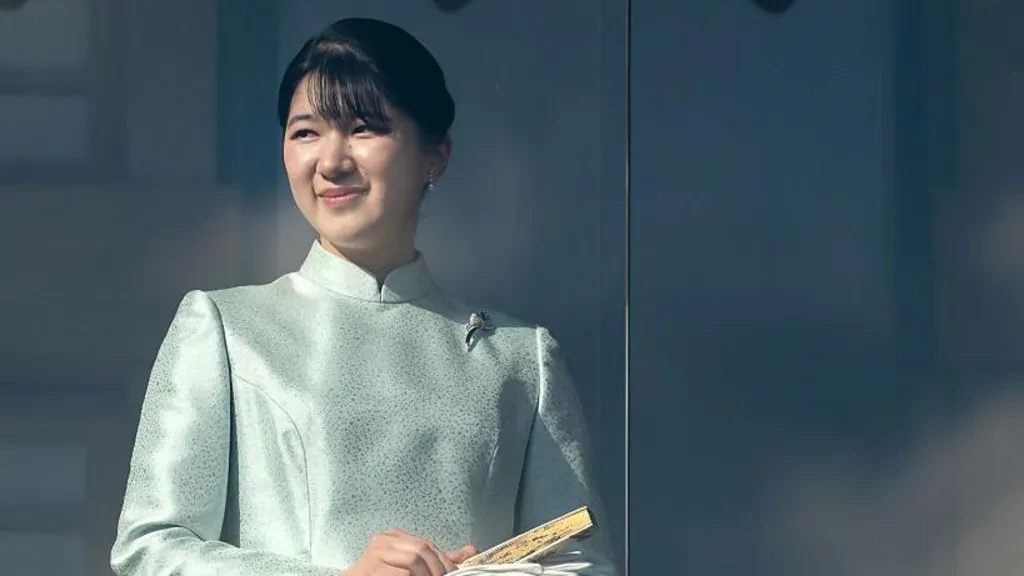
However, the new law has not made any changes to the provision that women cannot ascend the throne. Therefore, Princess Aiko, the only child of the current Emperor, will still not be able to become the successor to the Japanese throne. This bill had also been passed by the Lower House last week. Now, after the necessary legal process is completed, the new system will be implemented.
The Japanese monarchy is considered the world's oldest continuous hereditary monarchy, believed to be about 2,600 years old. Currently, the first successor to the throne, the Emperor's younger brother Prince Fumihito, is 60 years old. In second place is his 19-year-old son Prince Hisahito. After him, the Emperor's 90-year-old uncle is the only eligible male member for succession.
If no male heir is born among Prince Hisahito's descendants, there is a risk that the line of imperial succession will end according to the current law. Keeping this challenge in mind, through the new bill, arrangements have been made to bring back the male descendants of 11 former imperial branches separated from the imperial family after World War II into the imperial family.
Previously, women of the imperial family had to give up their imperial titles after marrying a commoner. Princess Mako left the imperial family in 2021 when she got married due to this rule. Recently, traditional leaders including Prime Minister Sanae Takaichi have been raising their voices in favor of maintaining the tradition of male succession. However, opinion polls have shown widespread public support for a female emperor.
This specific news has been automatically translated by AI. As a result, there may be some inaccuracies or language errors.