Confederation of Nepalese Industries Chairman Pandey Highlights Obstacles in Power Infrastructure Development

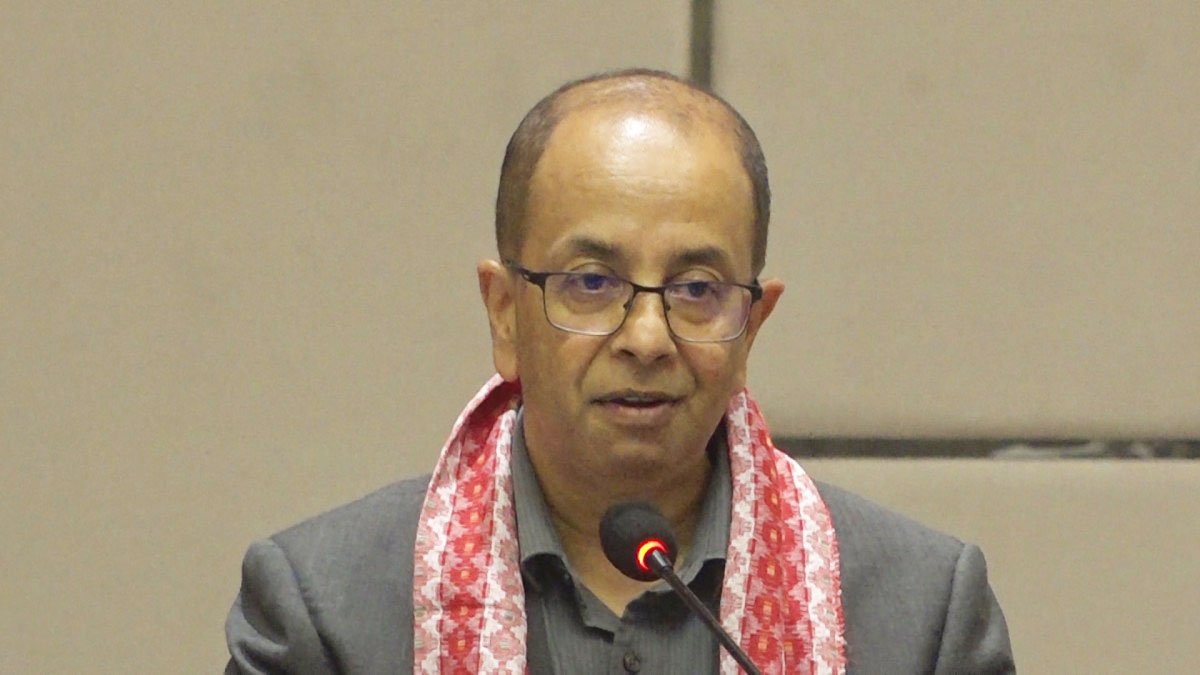
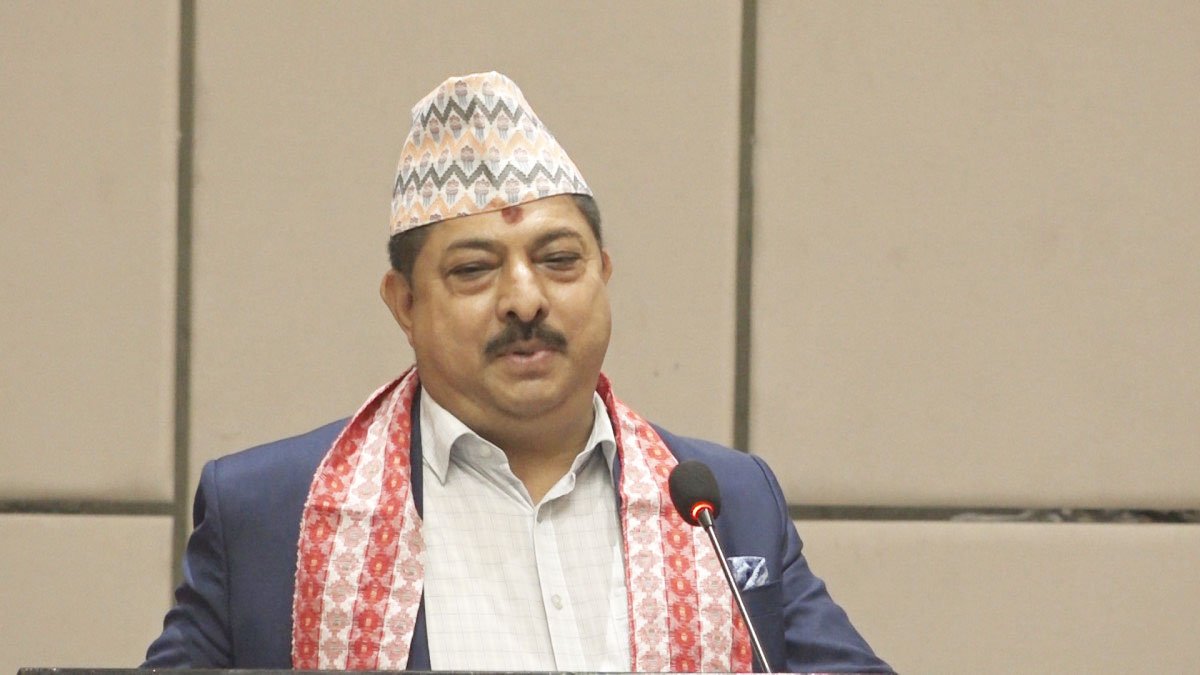
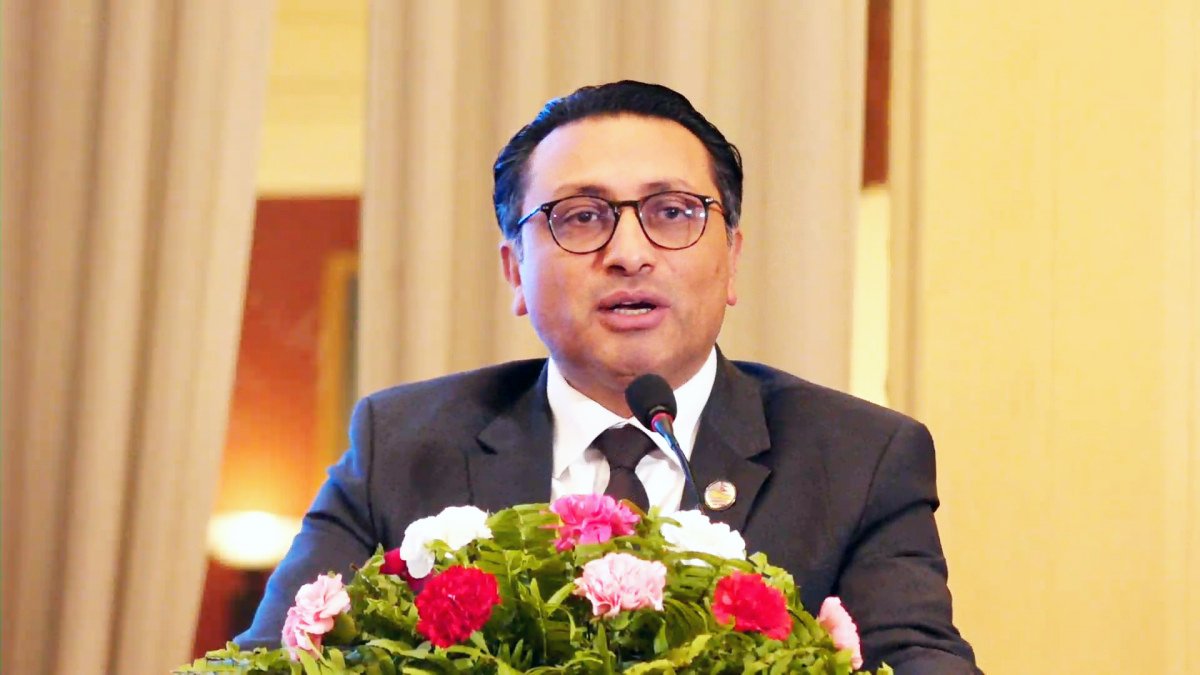
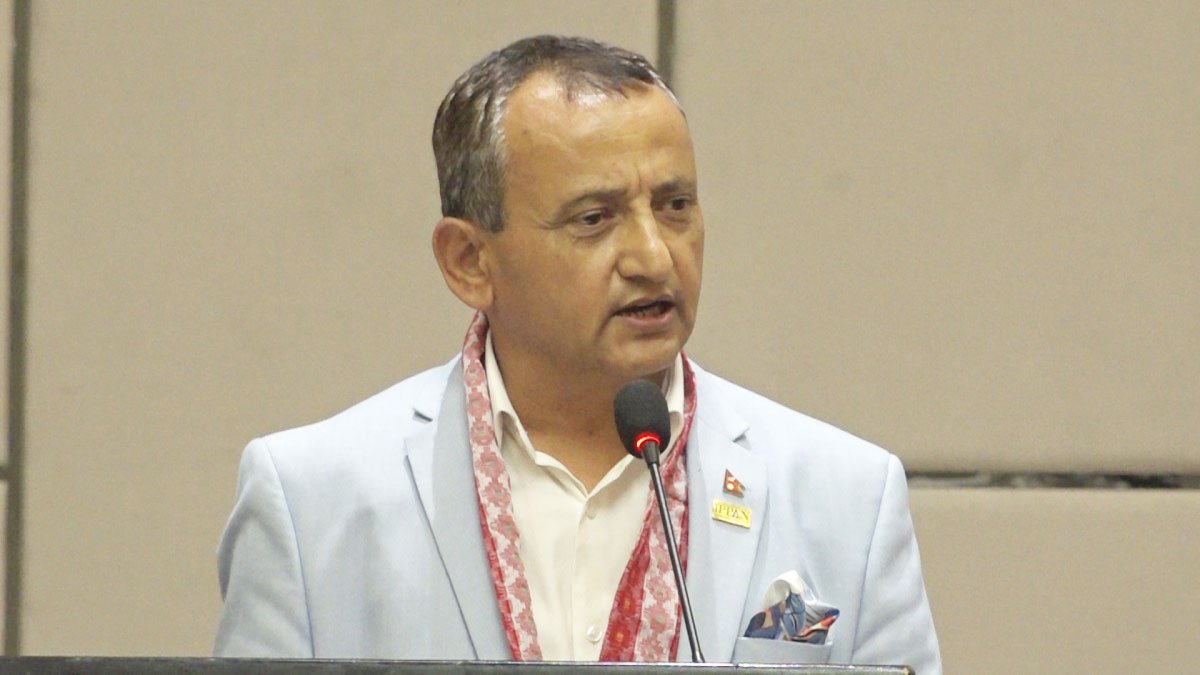
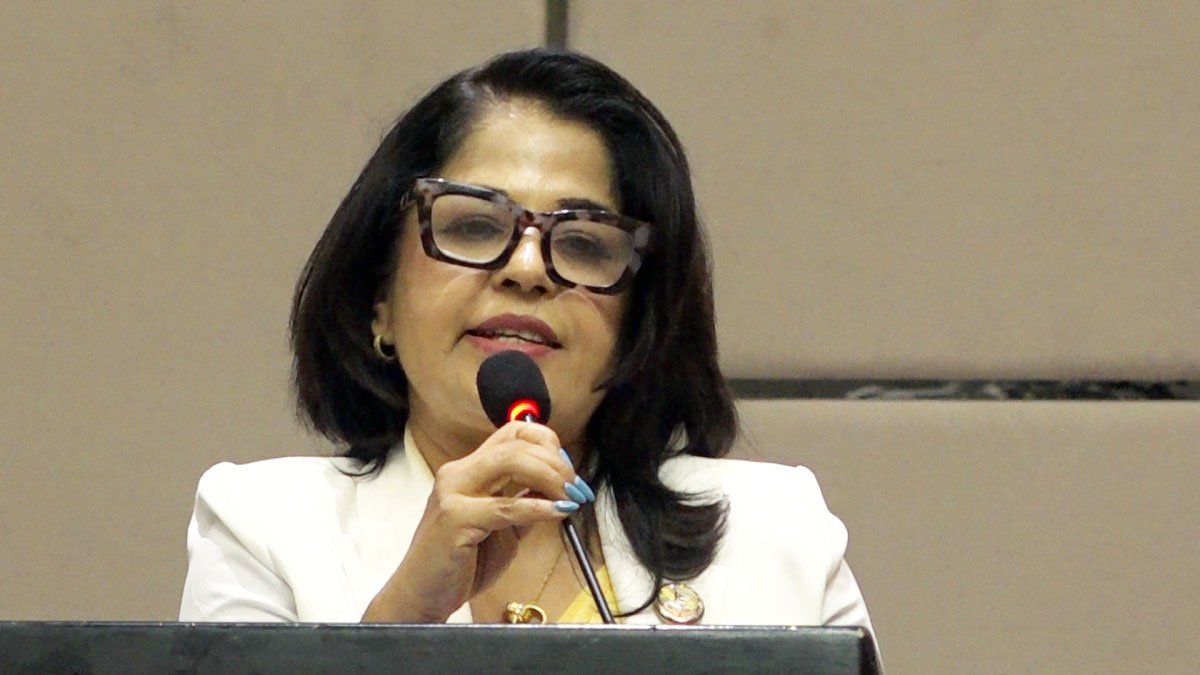
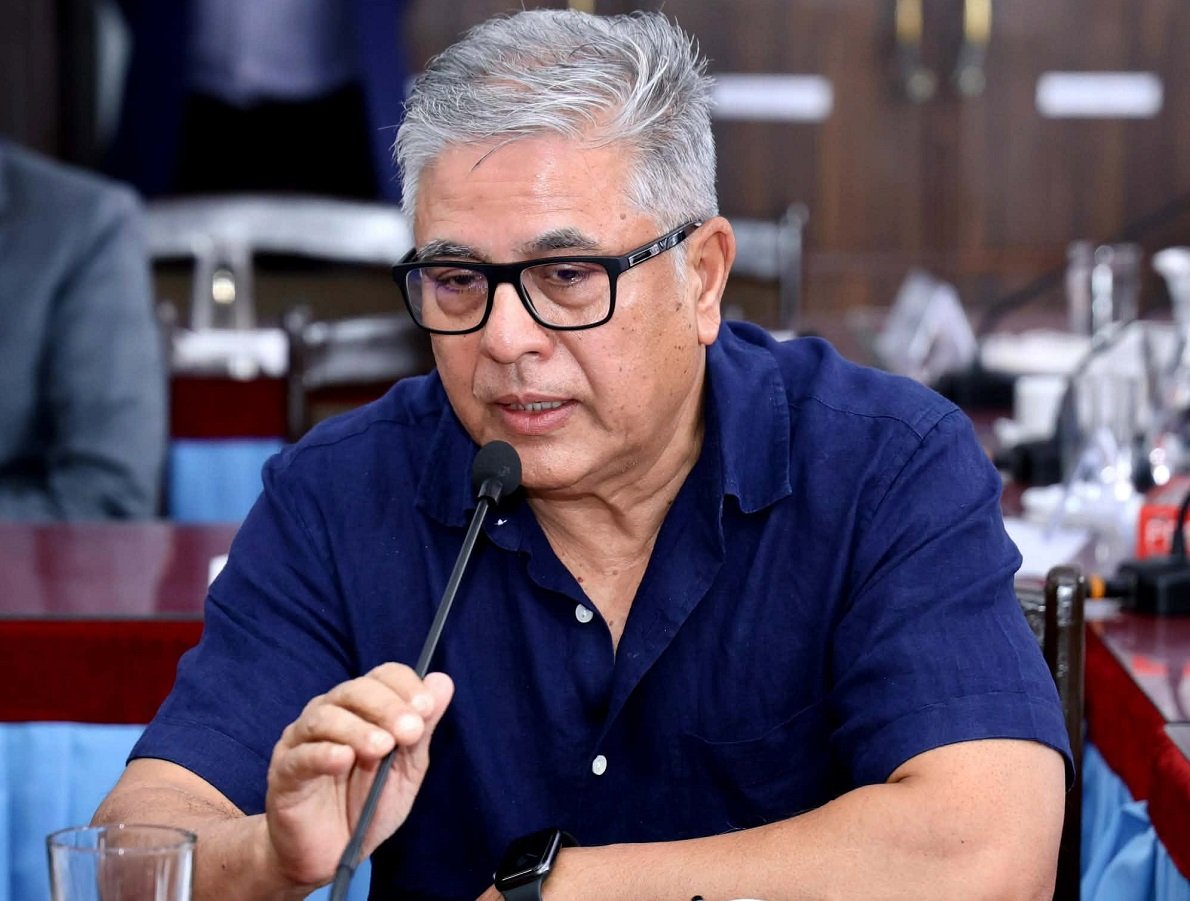
Kathmandu. Confederation of Nepalese Industries Chairman Birendra Raj Pandey has stated that the development of transmission and distribution infrastructure has not kept pace with electricity production, hindering industrial and overall economic development in the country. Speaking at a program organized by the Federation of Economic Journalists (FEJ) on the topic 'Challenges of Electrical Infrastructure Development and the Way Forward,' Chairman Pandey emphasized the need to advance infrastructure development in parallel with production.
According to Chairman Pandey, Nepal's total electricity production capacity has now reached approximately 4,300 megawatts, with the private sector contributing 3,600 megawatts. While this production progress is encouraging, he noted that due to the lack of adequate infrastructure, there are difficulties in fully utilizing produced energy, ensuring regular supply to industries, and expanding exports. Describing electricity as the primary raw material for industries, he stated that due to weaknesses in the distribution system, industries are still not receiving sufficient and quality electricity.
- Industries Relying on Generators and Rising Production Costs
Pandey mentioned that the industrial sector is facing significant hardship due to the weaknesses in the distribution system. He said, 'Electricity is the basic raw material for industry. Therefore, quality, regular, and reliable electricity supply is essential for industries, the IT sector, and the general public. However, even today, many industrial areas face problems of voltage fluctuations and tripping.' Quoting the Confederation of Nepalese Industries' Industrial Status Report, he added, 'According to our report, more than 60 percent of industries are still forced to use generators, which has increased production costs.'
Chairman Pandey identified delays in transmission line construction, projects awaiting Power Purchase Agreements (PPAs), and a weak distribution system as the main challenges in the hydropower sector. He stated that land acquisition, administrative complexities in forest area approvals, and the lengthy process of environmental impact assessments cause projects to take years to complete and increase costs.
- Emphasis on Policy Stability and Private Sector Participation
Pandey also pointed out that the lack of effective coordination between the Ministry of Energy, Nepal Electricity Authority, and local levels is affecting infrastructure development. He suggested prioritizing trade with India and Bangladesh by expanding cross-border transmission lines to develop Nepal as South Asia's 'clean energy hub.' Addressing investment challenges, he said, 'To mobilize the large investment required in the coming decade, cooperation with the private sector, development partners, and international financial institutions must be made more effective. For this, policy stability, institutional coordination, and a swift decision-making process are indispensable.'
Pandey stated that policies are needed to encourage private sector investment not only in production but also in transmission, distribution, energy storage, charging infrastructure, and smart grid development. He said, 'It is necessary to expand private sector participation in transmission, distribution, energy storage, charging infrastructure, and smart grids. Modern and digital electricity systems will reduce energy loss, ensure quality supply, and make the electricity system more effective.'
This specific news has been automatically translated by AI. As a result, there may be some inaccuracies or language errors.
_A6FeUF9WWh.jpg)