IPPAN Chairman Dangii Calls for Forest Act and Regulation Amendments for Energy Sector Development

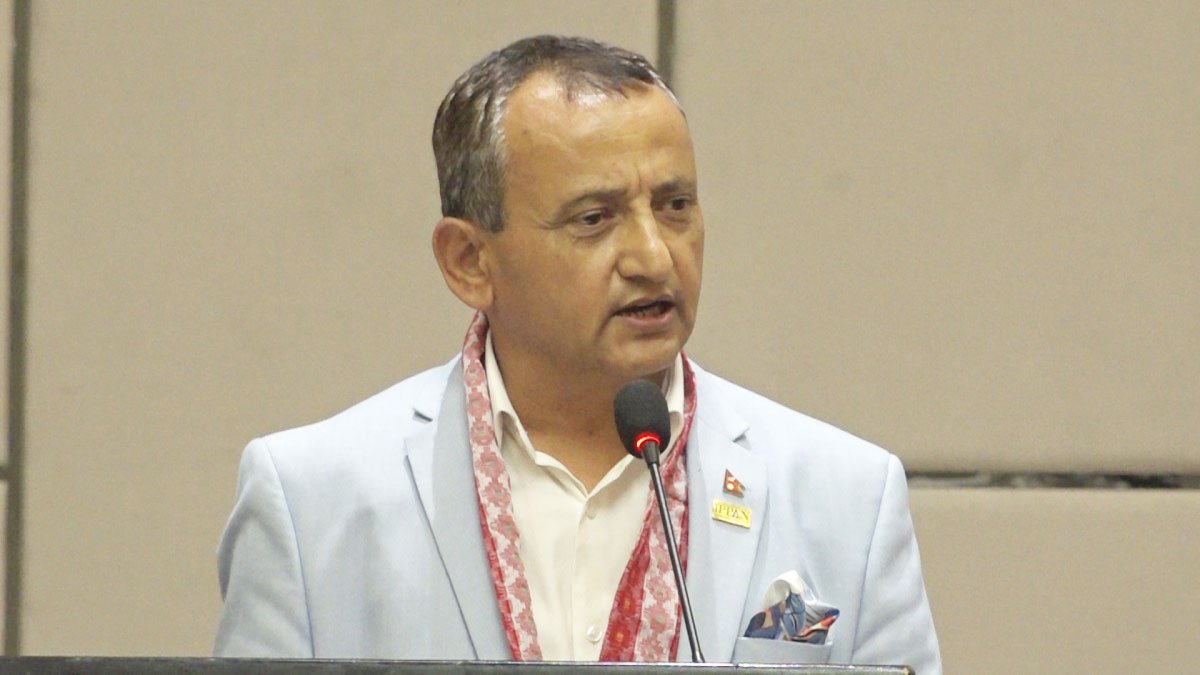
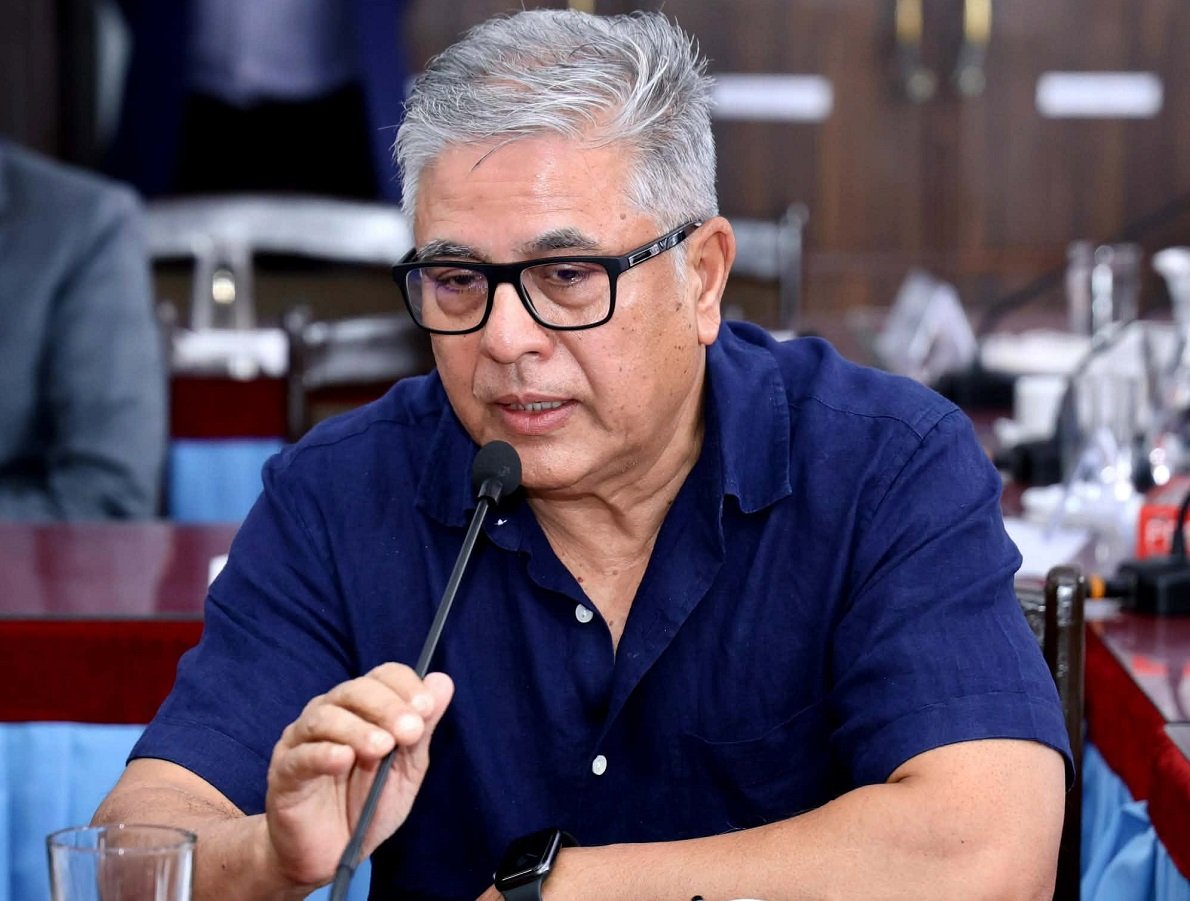
Kathmandu. Independent Power Producers' Association of Nepal (IPPAN) Chairman Mohan Kumar Dangii has stressed the need to amend the existing cumbersome Forest Act and regulations for the development of the country's energy sector. Speaking at a program organized by the Nepal Economic Journalists Association (NAFEJ) on 'Challenges of Electricity Infrastructure Construction and the Way Forward', Chairman Dangii stated this. Chairman Dangii said that due to various bodies under the Ministry of Forests and Environment, not only the energy sector but the overall infrastructure development has fallen into great trouble. He stated that development construction activities are shrinking because about 75 percent of Nepal's total land area is occupied by forests, Himalayan regions, conservation areas, and protected areas. Due to legal complexities related to forests and environment, about 19,000 megawatts of hydropower projects have been directly affected. Cumbersome Procedures and Harassment of the Private Sector Discussing other challenges in the energy sector, Chairman Dangii mentioned that the private sector still has to approach eight ministries, 24 departments, and more than 200 tables for a single hydropower project. He clarified that the delay in transmission line construction is due to land acquisition, compensation distribution, lack of coordination among multiple bodies, and shortage of technical manpower. He also raised the issue that the private sector has to bear significant financial losses because the Nepal Electricity Authority does not purchase the full capacity of electricity produced during the rainy season. Chairman Dangii said, 'Many challenging issues have been raised today. While the Nepal Electricity Authority itself is facing various problems, the problems of the private sector are even more complex.' He added, 'Among all these, the biggest problem is the legal complexity related to forests and environment. Due to procedures related to forests, national parks, conservation areas, and reserves, projects with a capacity of about 19,000 megawatts have been affected. There are ample examples where even projects approved by the government have their study and construction work stopped due to not getting approval from the concerned bodies.' Government's Positive Steps and New Signal from the Indian Market Despite the challenges, Dangii admitted that some steps taken by the government recently are positive. He considered allowing the private sector to construct transmission lines, granting licenses for electricity trade, and the implementation phase of the transmission master plan as commendable steps. He said that the government allocating about 70 billion rupees for transmission infrastructure this year and the expansion of cross-border transmission with India are positive aspects of the energy sector. Similarly, he stated that the recent news that Chinese companies can participate in the tender process in India has generated new enthusiasm in Nepal's energy sector. So far, only projects constructed by Chinese contractors, not projects with Chinese investment, have been approved for export to India. Clarifying this, he said, 'For example, in the Upper Tamakoshi project, a Chinese company was only the civil contractor, not the investor. Therefore, we express our best wishes that these projects get priority for capacity booking for the export of 456 megawatts of electricity.' According to him, this capacity booking has created a basis for partially solving the problem of about one thousand megawatts of electricity that goes to waste during the rainy season. He expressed confidence that the electricity export of Nepal will be further expanded with the prompt selection of the concerned projects.
This specific news has been automatically translated by AI. As a result, there may be some inaccuracies or language errors.