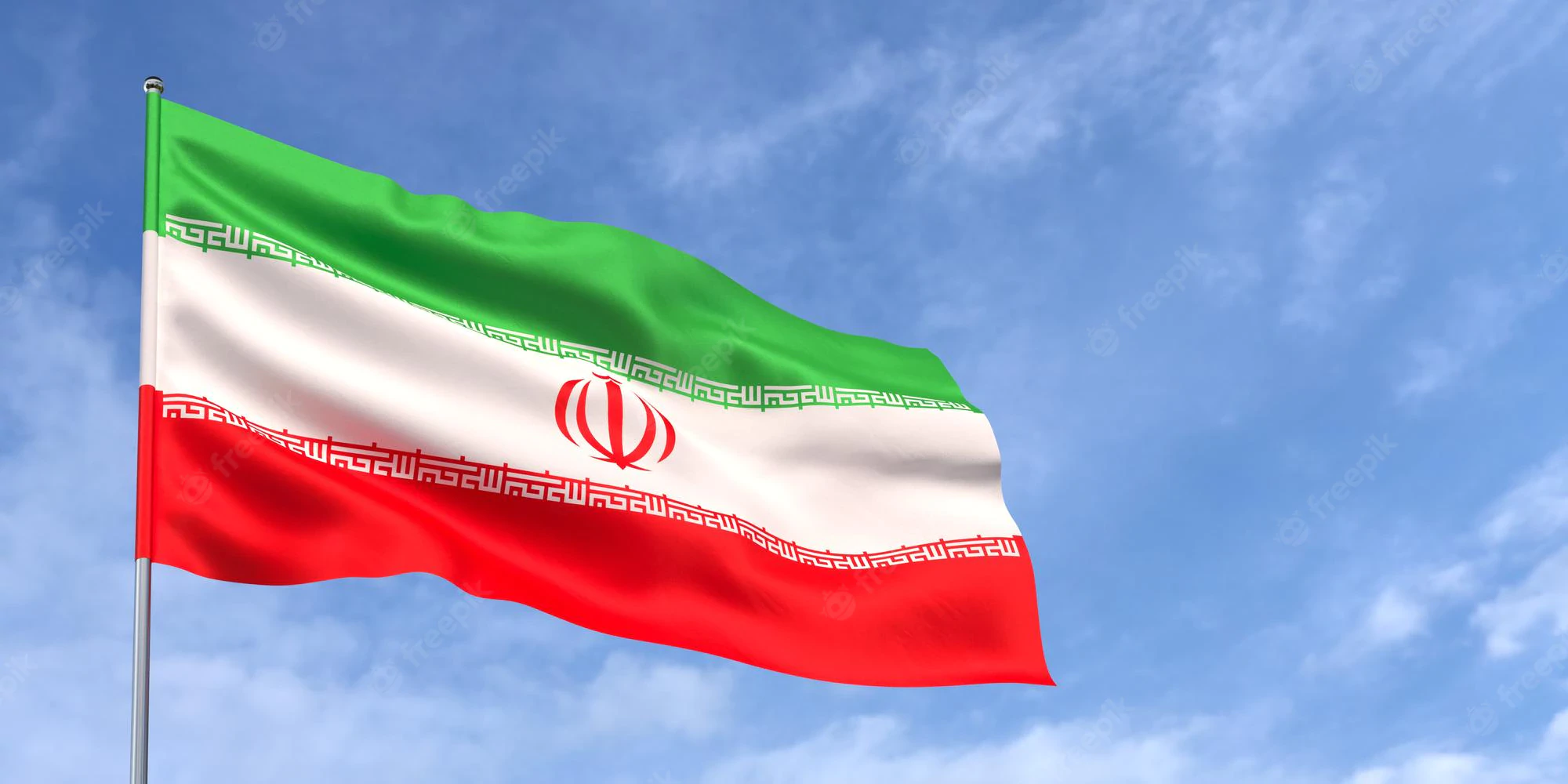
Iran Launches Retaliatory Strikes on US-Linked Targets
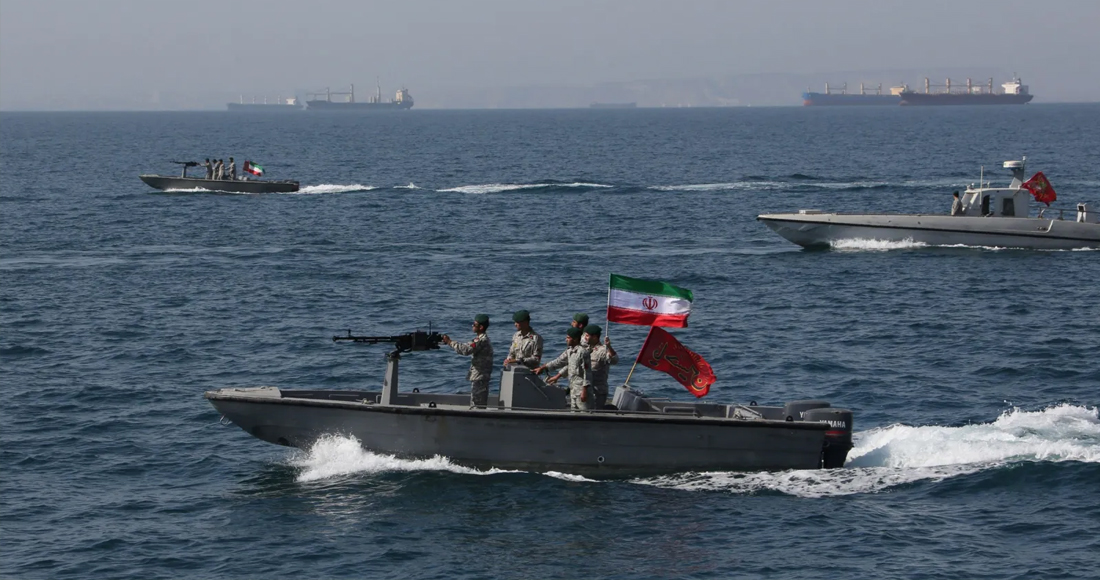
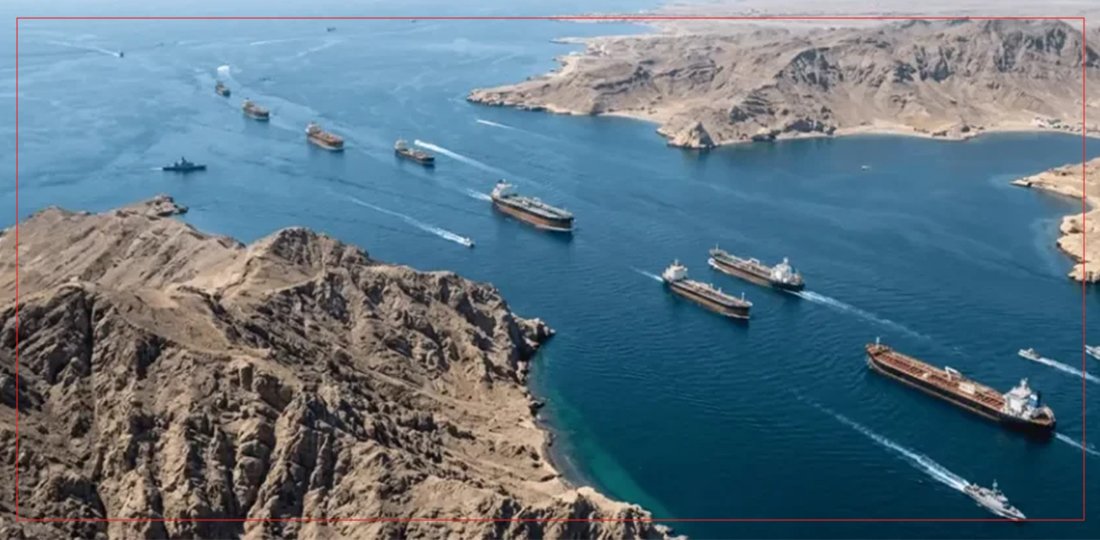
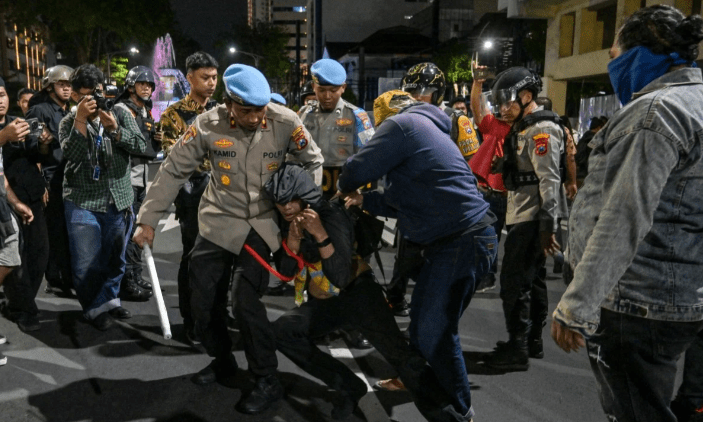
Tehran. Iran has launched retaliatory strikes on various targets linked to the US military on Saturday. Iran stated that this step was taken in response to the US airstrikes in its southern coastal region. Both countries are accusing each other of violating the agreement reached just last week to end the four-month-long war. Iran's Foreign Ministry has not disclosed the exact location of this 'defensive' attack. Iran claimed that the US action was against the UN Charter, stating it was only a response to the 'barbaric airstrikes' by the US on its coastal surveillance centers. Meanwhile, Bahrain, where the US Navy's Fifth Fleet is stationed, has strongly condemned the Iranian drone attack on its territory. Bahrain called this a grave violation of its sovereignty and a threat to its security, stating that it reserves the right to self-defense. Although Iran claimed to have attacked US targets, Washington has not yet responded. Earlier, the US military stated that the airstrike carried out on Friday was in response to Iran's drone attack on a commercial ship in the Strait of Hormuz. On the other hand, an agreement has been signed between Israel and Lebanon to end the fight with Iran-backed Hezbollah. Although an initial framework has been prepared for this agreement to disarm Hezbollah and for the Israeli army to withdraw from Lebanon, it is unclear how it will be implemented. Hezbollah has announced that it will not cooperate with this agreement. According to Iranian state television, Iran's Revolutionary Guards gave a 'decisive response' after the US military attacked a communication tower in the port city of Sirik. Bahrain, however, accused Iran of continuously attacking and disturbing peace and stability despite regional and international efforts. It also accused Tehran of violating UN Security Council Resolution 2817 and the Islamabad Memorandum of Understanding of June 17. Iran has not taken responsibility for the attack on the cargo ship off the coast of Oman on Thursday. However, it has claimed its right to regulate ship traffic through the Strait of Hormuz. Iran has warned Gulf countries not to take Washington's side, stating that ships must travel on routes designated by Tehran. Ibrahim Azizi, head of the Iranian Parliament's National Security Committee, said that anyone who violates Iran's naval directives will be given a strong response. The US Central Command, however, called Iran's behavior 'unnecessary provocation against commercial ships' and pledged to continue assisting in safe passage through the waterways. US Vice President JD Vance claimed on social media platform X that Americans have fully complied with the ceasefire agreement. He wrote, 'Iran signed the ceasefire agreement and we have respected it. If they have any disagreement about adhering to the understanding, they can pick up the phone and talk, but violence will be met with violence.' Before this new tension began, oil prices fell by about 3% in the international market on Friday as oil tankers exited the Strait of Hormuz. After an interruption of about four months, Saudi Aramco has started loading crude oil at Ras Tanura, the world's largest oil port, and the transport of goods has also intensified, which has somewhat eased concerns about rising global food prices. US Secretary of State Marco Rubio, during his visit to the Gulf countries, issued a joint statement with the Gulf Cooperation Council (GCC) demanding 'free and unconditional passage of ships' in the Strait of Hormuz without any tolls or control efforts. However, Iran's Foreign Ministry insists that the management of this waterway should be done only by Iran and Oman. Ali Akbar Velayati, a top advisor to Iran's Supreme Leader, issued a threatening warning to Washington's Gulf allies, stating that their existence depends on Tehran's tolerance.
This specific news has been automatically translated by AI. As a result, there may be some inaccuracies or language errors.