US-Iran Military Tensions Escalate Over Strait of Hormuz; Lebanon-Israel Peace Process Initiated
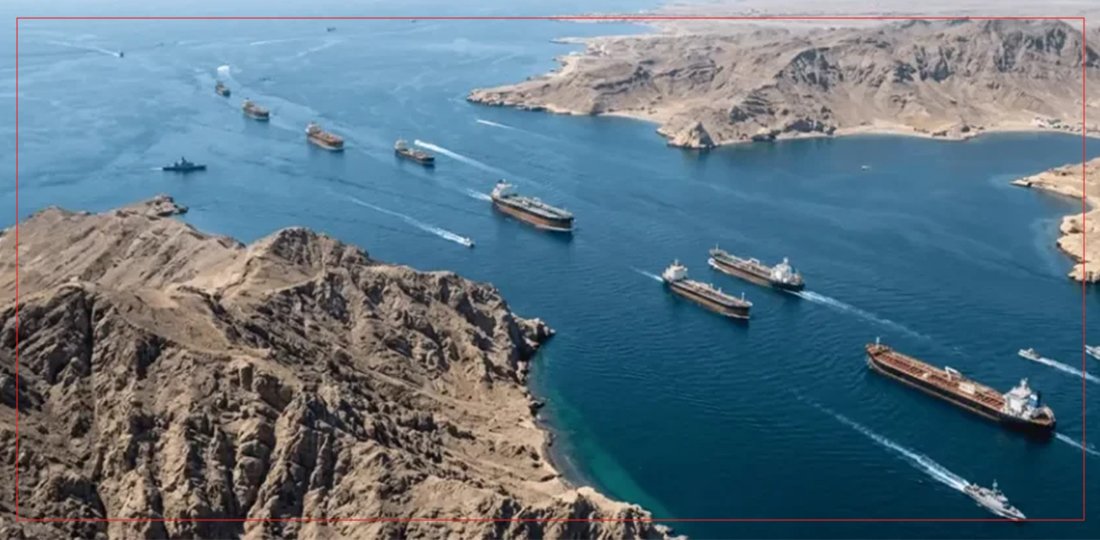
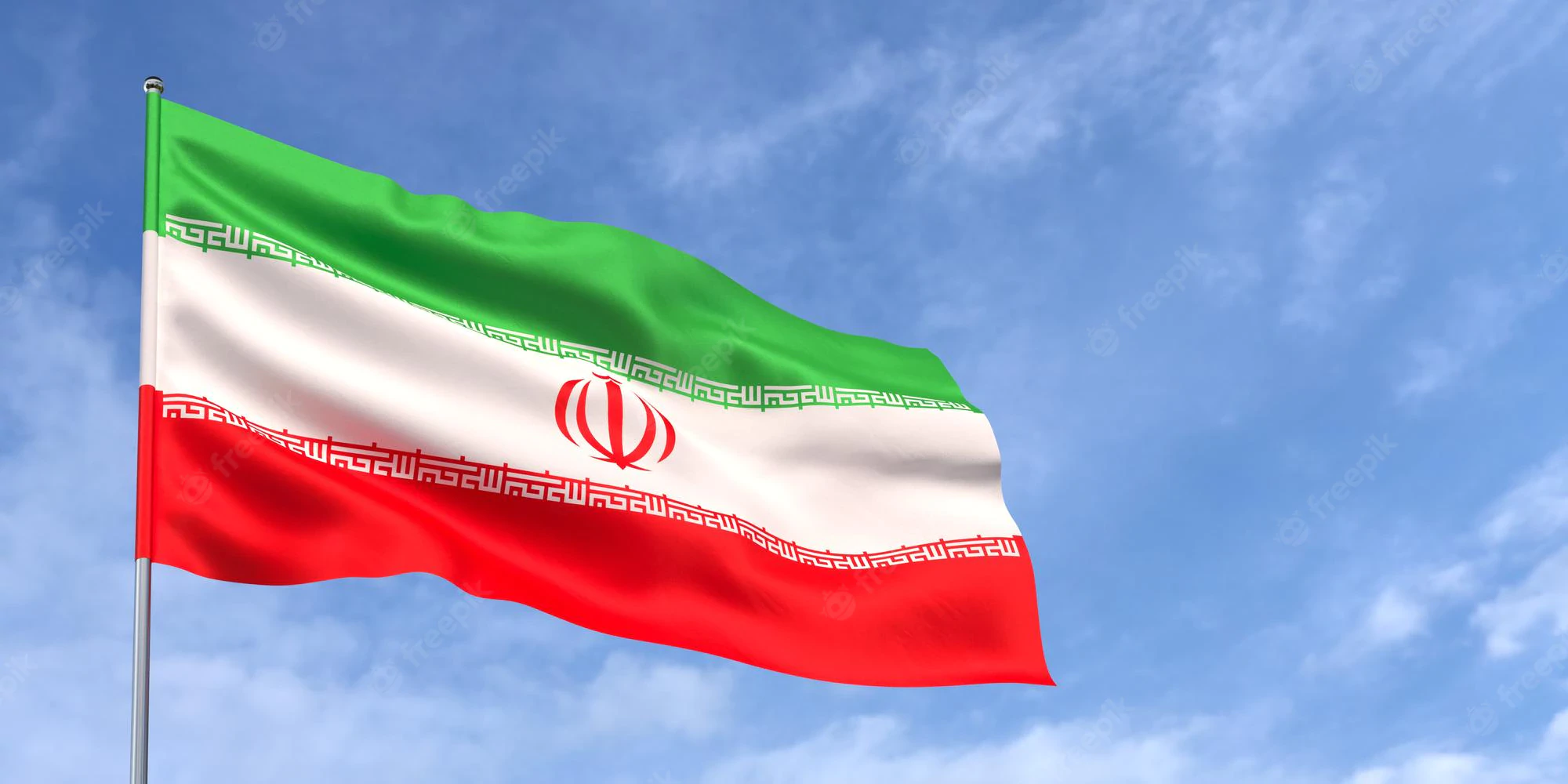
Kathmandu. The US has accused Iran of attacking commercial cargo ships in the 'Strait of Hormuz', escalating military tensions between the two countries again.
According to Iranian state media, Iran has targeted US military bases in the Gulf region in response to US attacks. The Iranian side has warned that if further attacks occur, its response will be even broader.
The US Central Command (Centcom) confirmed attacks on Iranian missile and drone storage sites and coastal radar systems, stating it was a response to the attack on commercial ships traversing the 'Strait of Hormuz'. Centcom also called Iran's actions a violation of the ceasefire.
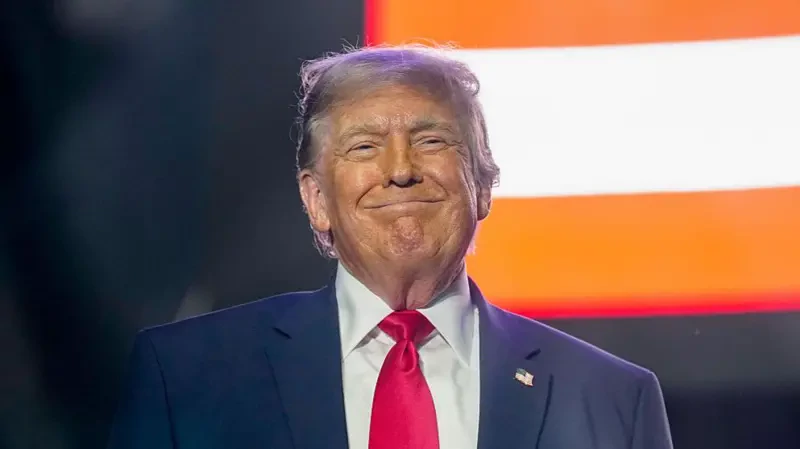
US President Donald Trump condemned the drone attack on the cargo ship, calling it a violation of the ceasefire agreement. Vice President JD Vance also warned of a strong response if Iran launches further attacks.
Meanwhile, Iran has warned ships traversing the 'Strait of Hormuz' not to travel without permission. However, it has been reported that ship traffic through the waterway continues.
Despite the rising tensions, crude oil prices have fallen in the international market. As more than 20 percent of the world's oil and gas is exported through the 'Strait of Hormuz', the world market is closely monitoring the situation there.
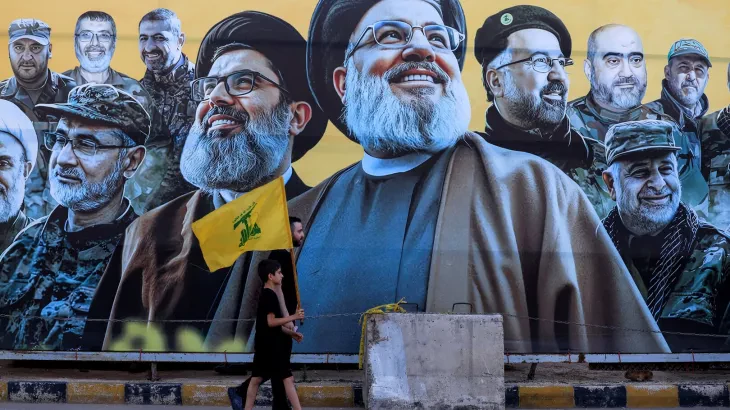
Meanwhile, a trilateral agreement concluded on Friday between Israel, Lebanon, and the United States has laid the groundwork for a peace process on the Lebanon-Israel border. The agreement provides for the Lebanese army to take over security responsibilities in two areas under Israeli control and to advance the disarmament process of Hezbollah.
US Secretary of State Marco Rubio said the agreement has laid the foundation for lasting peace. Israeli Prime Minister Benjamin Netanyahu also called the agreement positive, clarifying that the Israeli army would remain in its security zone until Hezbollah is disarmed.
However, Hezbollah has opposed the agreement, claiming it will weaken the regional peace process. Meanwhile, the Director-General of the International Atomic Energy Agency (IAEA), Rafael Grossi, has stated that a strict monitoring mechanism is necessary to ensure Iran does not develop nuclear weapons in any final agreement between the US and Iran.
Under the interim agreement, approximately 440 kilograms of uranium enriched up to 60 percent held by Iran will be processed into lower enriched uranium under IAEA supervision.
This specific news has been automatically translated by AI. As a result, there may be some inaccuracies or language errors.