Food Waste in Nepal: Experts Highlight Significant Discard Rates and Economic Impact

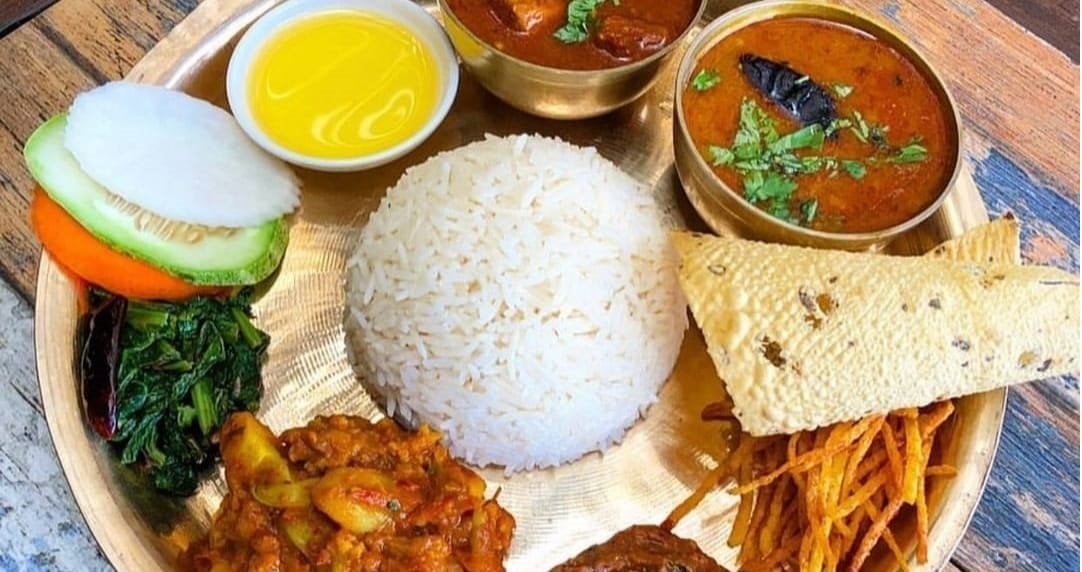
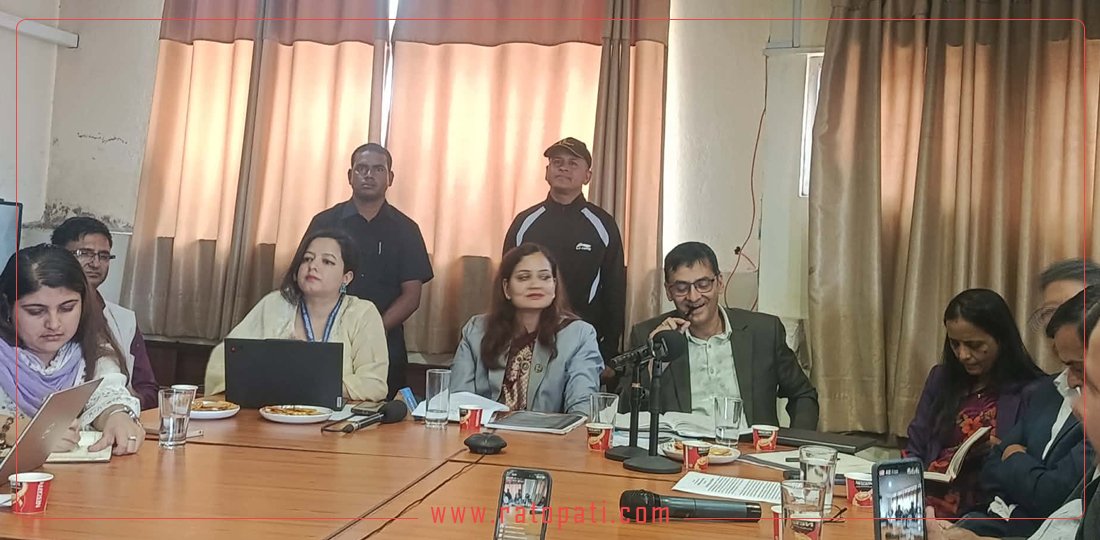
Chitwan. Janaprakash Chapagain, who leads five branches of Anupam Foodland and Diyalo Foodland, stated that approximately 30 percent of food is wasted in feasts. He mentioned that by keeping various types of food, plates get full, and about half of it is discarded. "More food is wasted in feasts organized by hotels, restaurants, and party palaces. It is also found that food is wasted at home when too much is cooked. While discarded food in rural areas is eaten by livestock, in urban areas, such discarded food turns into garbage," said Chapagain, adding, "Many attempts were made to stop food wastage. We were not successful." He stated that this wastage makes feasts expensive for hosts and impacts the overall economy as the country imports food grains. While less food is wasted in breakfast, more is discarded in afternoon and evening feasts, according to Chapagain. He shared his experience that more food is wasted in feasts that include alcohol at hotels. Krishna Nyaupane, Chief Executive Director of Siddharth Hospitality, which operates 30 hotels, restaurants, and cafes across the country, said that 40 percent of food is wasted. He said, "Initially, we packed food and sent it home, but we couldn't manage it." He mentioned that even after trying to prevent food wastage by putting up banners, they were not successful, and when they urged people not to waste food, they were verbally abused. Nyaupane shared an experience where a Japanese person, after seeing the wasted food at a program at his hotel in Kailali, asked, "What can a person who cannot estimate the food needed for four meals a day achieve?" Nyaupane said that while some people choose to eat only what they can, many try to eat everything kept in the feast, leading to significant wastage. He said, "If we can stop food wastage, the cost of feasts will decrease." He added that the organizers' expenses increase because they have to account for the wasted food. Prof. Dr. Suryakant Ghimire, founding registrar of Agriculture and Forestry University, informed that if the world's wasted food were saved, it would be enough to feed 30 percent of the population. He mentioned that he lived in Japan for six years while pursuing his doctorate and that the Japanese take leftover food home, which leads to less food security in other countries. "There is a lot of food wastage in Nepal. Efforts and solidarity from everyone are necessary to stop this. We need to think about how food can be made healthier," he said. Prof. Dr. Ghimire recalled Mahatma Gandhi's appeal in India for people to skip a meal if they felt uncomfortable, and Gandhi used to say that food should be diversified instead of always eating rice. He emphasized that Nepalis should also pay attention to this, as residents of Turkey, who used to eat dal bhat and vegetables for breakfast and dinner, now eat other dishes for one meal. He stated that this could be an excellent option for food saving and health. He urged that the tradition of planting paddy in Nepal, which is practiced regularly for dal bhat and vegetable meals, should be changed to focus on what is produced in abundance. Nepal imports food grains worth approximately Rs 45 to 50 billion annually, according to him. He said that imports would decrease if food is not wasted, food is diversified, and barren land is cultivated.
This specific news has been automatically translated by AI. As a result, there may be some inaccuracies or language errors.