Kulman Ghising Criticizes Government's 5% VAT on Electricity Consumption Above 50 Units


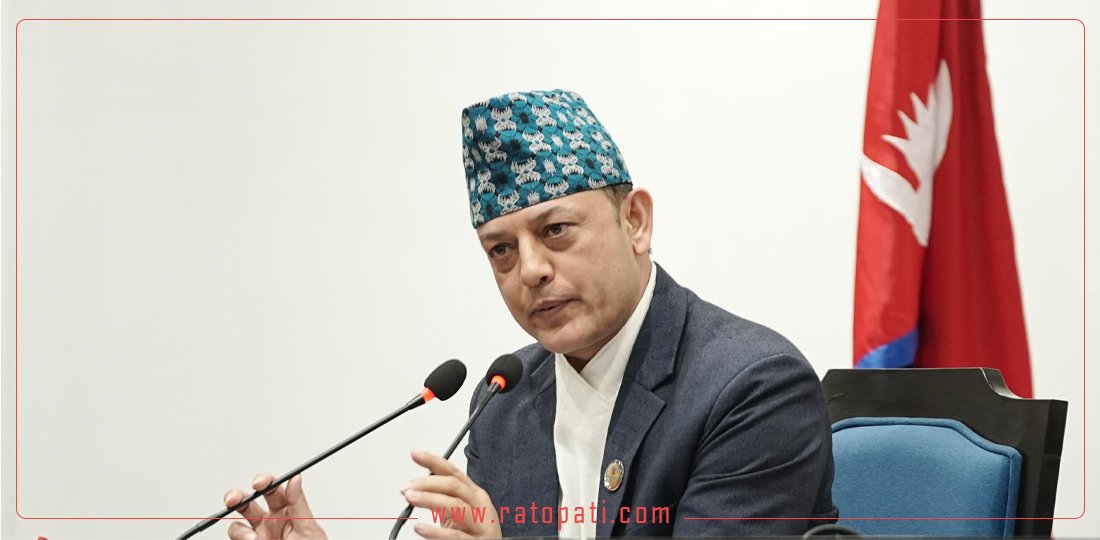
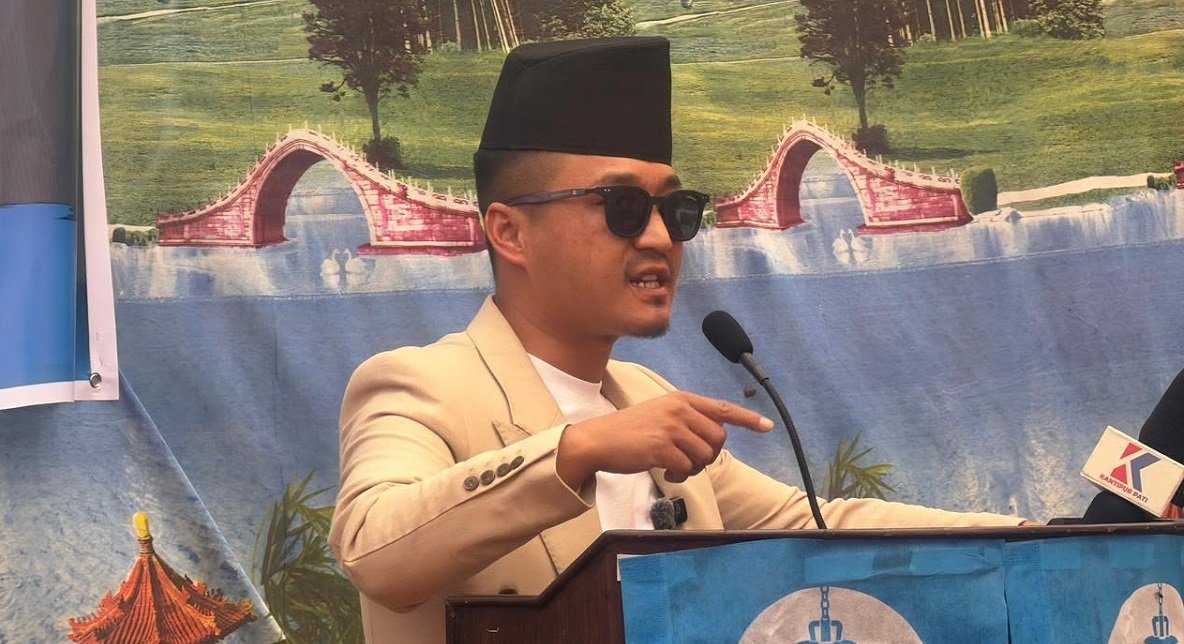
Kathmandu. Kulman Ghising, Chairman of the Ujyalo Nepal Party, has criticized the government's decision to impose a 5 percent value-added tax (VAT) on consumers who consume more than 50 units of electricity per month through the budget for the upcoming fiscal year 2083/84.
Sharing a post on social media, he stated that this move by the government is against international practices, national energy policy, and the interests of consumers.
Ghising said that the arguments presented by the Honorable Prime Minister and the Honorable Finance Minister in defense of the budget decision do not align with the current reality of the electricity system, available infrastructure, and Nepal's energy transformation goals. He stated that at a time when electricity consumption needs to be increased in the country, a policy that discourages consumers by imposing extra taxes is contrary to both the spirit of promoting clean energy and the national campaign for electrification. He commented that while many countries, including India, are adopting incentive-based policies to increase electricity usage, Nepal has taken the opposite path by adding the burden of additional taxes.
Ghising clarified that the statement from the government, 'If induction stoves are used in all homes in the country right now, the transformers and substations will explode,' does not match the facts and technical realities. He presented data stating that billions of rupees have been invested in strengthening the transmission and distribution system nationwide after the end of load shedding, and currently, substations with a capacity of over 14,000 MVA and distribution transformers with a capacity of over 5,000 MVA are in operation. He mentioned that transmission lines with capacities of 132, 220, and 400 kV are in operation, and further infrastructure is under construction, adding that the undergrounding and modernization of the distribution system in the Kathmandu Valley is also in its final stages.
He asserted that in today's times, consumers have become accustomed to using various electrical technologies, including induction stoves, water heaters, heaters, electric vehicles, and charging stations. Ghising argued that the claim that the entire system would fail at once or that transformers and substations would explode is not realistic, as the electricity load does not come at the same time and in the same place. He clarified that Nepal has the capacity and mechanism to provide immediate technical solutions if any local problems arise, and that using the need for infrastructure construction to manage future increasing electricity consumption as an excuse to justify taxes is not appropriate.
On the other hand, Ghising stated that the revenue generated from this tax will go directly to the state treasury, not for improving the services or expanding the infrastructure of the Nepal Electricity Authority, and the government should not hide its self-interest. He warned that if the government needs resources for additional investment, it should provide a clear and transparent explanation, but it should not try to justify the tax by blaming electricity infrastructure. He pointed out that the current tax will not only make electricity tariffs expensive but also completely limit the possibility of providing relief to consumers through tariff adjustments in the future.
Ghising concluded that at a time when increasing domestic consumption of clean green energy produced within the country is the main national need, imposing taxes instead of encouraging electricity use is a short-sighted and regressive step.
He argued that individuals in responsible positions should send a message encouraging electricity consumption, rather than creating baseless doubts about structural capacity and making expressions that frighten and discourage the public. Ghising drew the government's attention to the need to immediately reconsider this tax decision for energy self-sufficiency, a green economy, and maximum utilization of domestic electricity, and to make public expressions based only on facts, data, and national interest.
This specific news has been automatically translated by AI. As a result, there may be some inaccuracies or language errors.