Press Council Nepal Receives 176 Complaints of False News by May 6

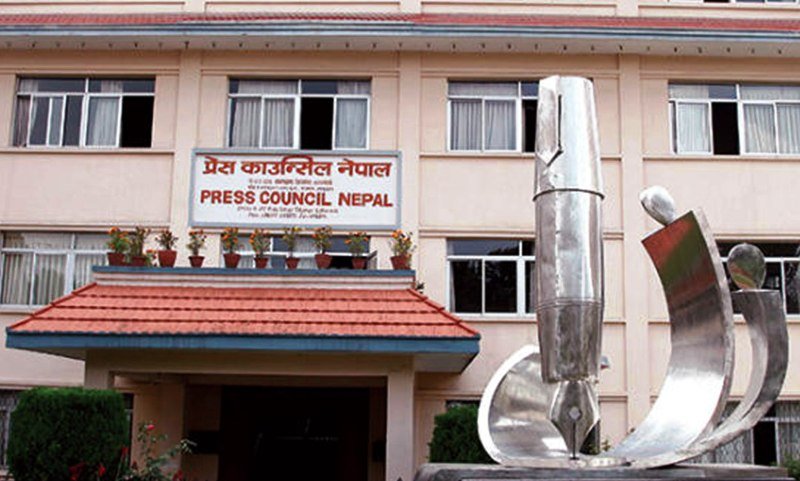
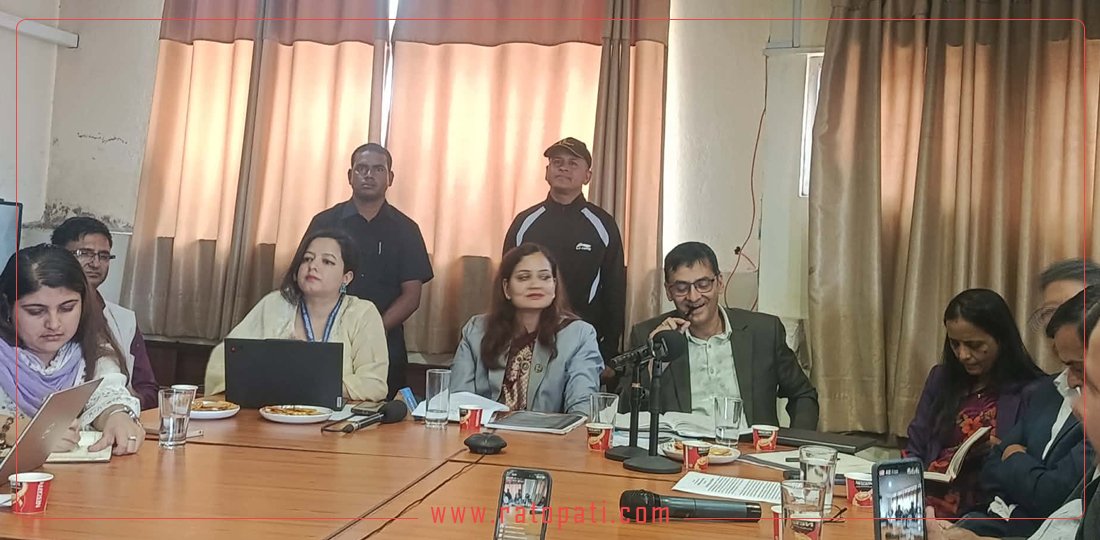
Kathmandu. By Jestha 6 of the current fiscal year, 176 complaints have been filed at the Press Council Nepal alleging publication of untrue news. This information was given today at an interaction program organized by the Editors' Society Nepal in Kathmandu on the topic 'Citizen's Expectation: Responsible Journalism'. Among the complaints registered at the Council, the second highest number are related to defamation.
Presenting a working paper at the program, journalist Toya Gautam informed that although more than eight thousand newspapers are permanently registered with the Department of Information, only about five thousand have been published and reached the Press Council Nepal for classification. The working paper states that journalists can do quality journalism by utilizing technology that has changed with time.
At the program, Engineer Umesh Gupta, former executive member of the Nepal Engineering Association, expressed the view that journalists should also make the social testing of whether an engineering structure is useful for use after its construction a subject of news collection. He stated that even well-known consulting companies 'copy-paste' environmental impact assessment reports, so investigative journalism should also be done on this subject.
Navin Manandhar, spokesperson and head of the Information and Communication Department of Kathmandu Metropolitan City, expressed commitment that journalism should be based on truth and facts, and that local governments will also support such journalism. He emphasized that the media should collect news properly about the activities carried out by the local levels.
Junar Babu Basnet, chief editor of Gorkhapatra Daily, clarified that journalism is of great importance as correct information is needed to make correct decisions in a democratic governance system. He stated that mass media should work to make the daily lives of citizens easier.
Shobha Aryal, president of the Kathmandu chapter of the Federation of Nepali Journalists, commented that the perception of journalism has changed because information on social media comes unedited, and people understand that as journalism. She pointed out the need for media literacy in society for this and expressed the view that the media should inform citizens about their rights.
This specific news has been automatically translated by AI. As a result, there may be some inaccuracies or language errors.