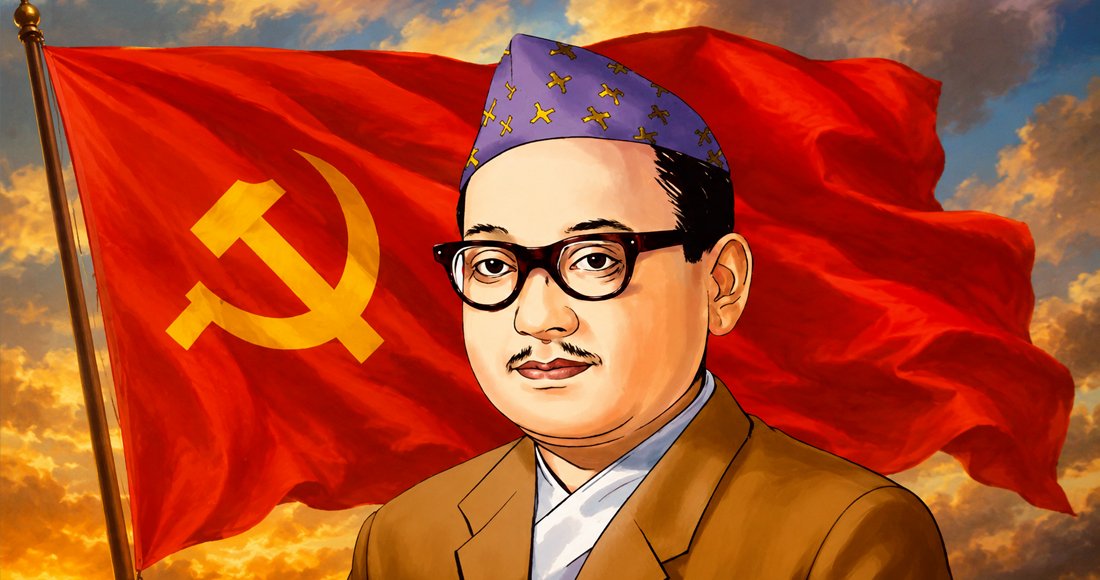
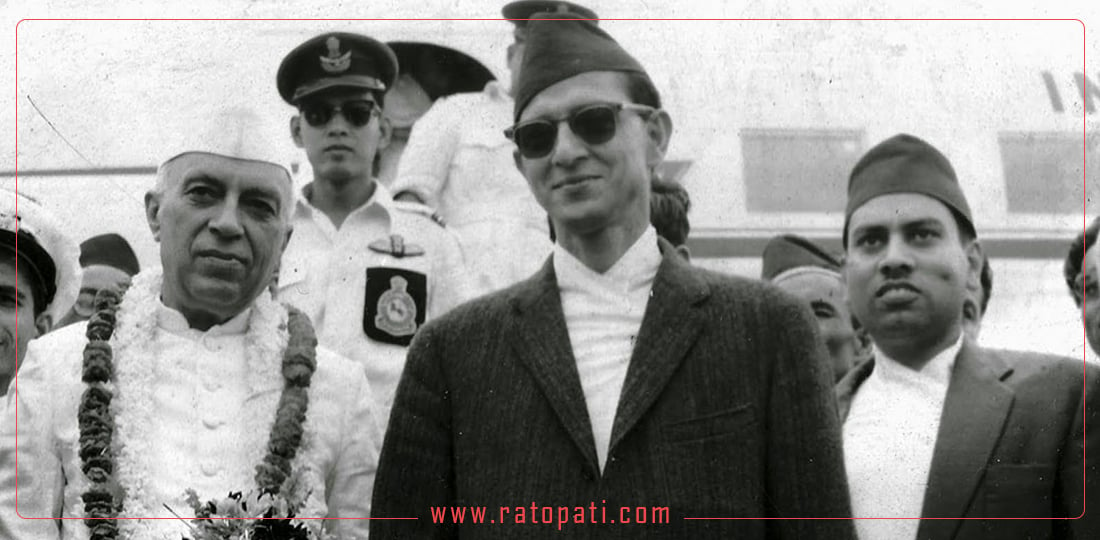
Decline in Attendance at Communist Movement Memorial Services Reflects Ideological Crisis

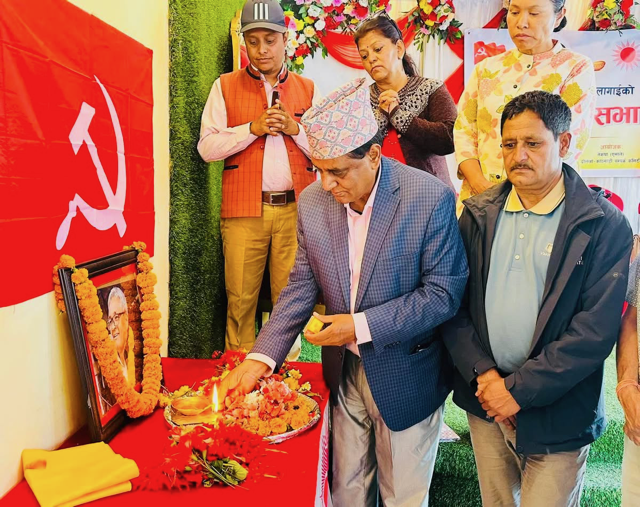
There was a time when memorial services for the martyrs, warriors, and pioneer leaders of the communist movement were not just programs, but an outpouring of public sentiment. Eyes would well up, hearts would roar, and commitment would gain new energy. Standing before the pictures of martyrs, people would once again encounter their own future, their own struggles, and their own dreams.
But today, the scene has changed. The chairs at memorial services appear empty. Words of tribute have begun to sound formal. In some places, neglect and disrespectful behavior have even begun to appear. This is not just a matter of people losing their sensitivity. This is the naked reality of the deepening ideological, moral, and political crisis within the communist movement.
The communist movement dreamed of equality, sacrifice, labor, morality, and the liberation of the people. Thousands of youths endured imprisonment and torture and sacrificed their lives for this dream. But when the leadership of the movement itself became entangled in power, wealth, factions, and personal interests, the people began to ask, 'Where has the idealism of those in whose name the movement took place disappeared?'
When revolution is spoken of and luxury is practiced, memorial services also begin to look like political performances rather than platforms of respect. When ideology is not seen in life, slogans cannot touch people's hearts. Today's society is guided by a culture of consumption. A mentality that prioritizes convenience over sacrifice, success over struggle, and personal gain over idealism is rapidly spreading.
The capitalist market is making people consumers rather than citizens. In such an environment, the value of martyrs' sacrifices, the history of the movement, and collective dreams are gradually fading. The new generation was told stories of struggle, but the sentiment behind them was not conveyed. As a result, history has become confined to books, not consciousness.
The sad part is that some memorial services have themselves become platforms for factional power displays. When counting attendance becomes more important than paying tribute, the soul of the program begins to disappear. When the scent of political division and self-interest emanates even in the name of martyrs, it is not unnatural for disgust to arise in the hearts of ordinary workers and the public.
People want to honor martyrs, but they do not want to be part of a display of self-interest. The tendency to not understand the suffering of the people, not respect living activists, and only remember the families of martyrs in speeches has weakened trust in the leadership.
People are asking today, 'How can one who could not wipe the tears of a living activist truly honor a martyr?' This question has reduced the intimacy with memorial services. Tribute only remains alive when humanity survives in practice.
The core spirit of the communist movement is struggle, discipline, sacrifice, and collective commitment. But as the movement gradually became centered on power and positions, an opportunistic mentality began to replace the culture of struggle. When positions, not ideology, become the center of the movement, even memories begin to feel like a burden. The history of sacrifice becomes merely a subject for speeches, not inspiration for life.
The declining public attendance at memorial services is not just a weakness in program management. It is a serious signal of ideological inertia, moral deviation, organizational disintegration, and a crisis of public trust within the movement.
If the communist movement wants to regain a place in the hearts of the people, it is not enough to limit the memory of martyrs to the formality of offering flowers. Memorial services must be transformed into platforms for self-reflection, ideological renaissance, reconstruction of the culture of struggle, and living political schools that connect the new generation with history.
Because martyrs are not just pictures, they are living voices of unfinished dreams. And when a movement stops honoring its martyrs, the very soul of the movement begins to weaken.
This specific news has been automatically translated by AI. As a result, there may be some inaccuracies or language errors.