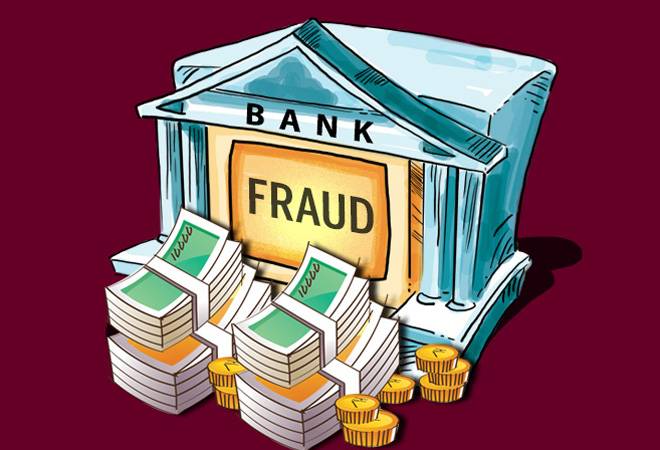
Banking Fraud Network: A Young Woman's Story of Deception
Rukum's 19-year-old Rasita (name changed) saw an advertisement on her mobile screen one day - 'Job Tracker: Earn 15,000 to 25,000 per month from home!'. For Rasita, who was studying, this offer was like a dream. Hoping to ease the family's financial burden a little, she contacted the messenger provided in the advertisement.
The conversation was very polite and professional. The person in contact easily gained her trust. To start work, they asked her to upload her citizenship, educational certificates, and bank account details online. Not only that, citing 'company policy', they asked Rasita to courier her ATM card to a secret address and also took her mobile banking password.
'Money will come into your account from various places, it is our business money. We will manage receiving it and making payments,' the fraudsters told Rasita. 'Your salary will come directly to your account every month. If you need salary money, withdraw it by check, do not operate other transactions, and it is best not to tell anyone about this work.'
For the first 1-2 months, Rasita's life went as planned. Money was being deposited and withdrawn from her bank account, transfers were happening, and messages were coming to her mobile. As soon as the month ended, the 'salary' also arrived. She was happy.
But this was just the beginning of a big problem.
At the beginning of the third month, Rasita started receiving calls from unknown numbers on her mobile. In the calls, people would cry, shout, and curse, saying, 'We want our money, or we will report you to the police.' Rasita was stunned. Without her knowledge, the fraudsters had made her bank account a 'mule account' to collect money from people across the country by scamming them online.
As the stress mounted, one day an SMS came from the bank - 'Your account has been frozen.' Immediately, a call came from the police office as well. 'A complaint has been filed that a large sum of digital fraud money has been deposited into your account, please contact us immediately. Otherwise, the police will come to your house to get you.'
Rasita's strength drained, her legs trembled. She hurriedly tried to contact the people who gave her the 'job' on the messenger. But, they had all blocked her. The chats on Telegram and WhatsApp had been deleted.
Until this point, she had never met them. Nor did she know their real names and addresses. The criminals had disappeared into the fog of the digital world.
Rasita is not the real criminal, but in the eyes of the law, she appears guilty. Because transactions were made from her bank account. Her phone number was used. By falling for a small job offer or temptation, and handing over her banking details to strangers, she became the main 'suspect' in banking offenses and fraud cases.
'Earn thousands daily by doing simple work from mobile or laptop at home', 'Earn 2-3 thousand daily from mobile at home' - messages or advertisements like these are seen everywhere on social media like Facebook, TikTok, and Telegram these days.
Many people are falling into such advertising traps due to the search for employment or the desire to earn money easily. Behind such attractive offers lies a big financial crime. Banking fraudsters first lure ordinary people, show them the prospect of large sums of money, and then use their bank accounts for transactions.
And when any trouble arises, the real criminals easily escape, while the innocent people get caught in banking offenses.
The story of Rasita mentioned above is one such true story. It is a representative incident of how fraudsters target innocent and unemployed youth. For this, they pretend to offer easy jobs like data entry, liking videos, or ordering goods.
Before assigning the work, they ask for the bank account number, mobile banking ID, password, and OTP, saying it's 'to send your salary'. In some cases, they even ask to open a bank account by saying, 'Our company has a lot of transactions, we will give you a fixed amount per month for using your account', and then they use it themselves.
How is the account misused?
As soon as they get hold of a person's bank account, they also get their ATM and mobile banking. Then they use such accounts as their own. They then use that account to transact money coming from cryptocurrency trading or online gambling, which is illegal in Nepal.
Money obtained from defrauding others under the pretext of winning a lottery or delivering goods is also deposited into such accounts. Money accumulated from criminal activities is attempted to be legitimized by circulating it through the accounts of such individuals.
What are the effects?
- Action will be taken under the Banking Offenses and Punishment Act, 2064.
- Action will be taken under the Muluki Criminal Code, 2074 (Offenses related to Fraud).
- Action will be taken under the Prevention of Money Laundering Act, 2064.
- Police custody and detention.
- Involvement in statements and court proceedings.
- Having to run to many places for investigation.
- Being blacklisted can lead to a tragic end to one's entire career.
Even if the account holder has no collusion or transaction with the fraudster, or is not directly involved in the fraud process, they are legally responsible because their bank account was used for the fraud. Cases can be filed against the account holder for banking offenses, fraud, money laundering, etc.
Bank accounts can be immediately frozen for police investigation. One can be blacklisted, making it impossible to open accounts in other banks or get loans. Having to be under investigation and go to court for a crime one has not committed can lead to unnecessary harassment and also affect social reputation.
What to do to avoid this?
To avoid the trap of earning money easily and to keep your bank account safe, it is very important to pay attention to the following points.
Do not give government documents to unknown persons: Never give original or copy of your citizenship, national identity card, PAN number, and passport, or your photo to unknown persons, organizations, or groups. If you have to give it to someone, do so only after verifying its authenticity.
Do not believe in things like 'easy money comes easily': Free yourself from the illusion that you can earn money easily without doing any work. No one earns money easily. If someone says they can earn money easily, be suspicious.
Verify the authenticity of the organization: When receiving a job offer from any person or organization, do not hesitate to check the authenticity of the organization. For entities other than established organizations, proceed only after verifying such business organizations.
Be alert if asked for money upfront: Companies that ask for money as security deposit, registration fee, or under any other pretext before offering employment are more likely to be illegal, so be cautious with such companies or organizations.
Avoid spam messages on social media: Do not open links from messages received on social media such as 'You have won a prize', 'Easy offer', 'Easy job', 'Earn from home', and do not call the numbers provided.
Talk to friends and relatives: Do not forget to discuss any matter with your close friends and relatives. This habit can save you before you fall into the network of fraudsters. Informing family members about such matters can lead to someone having knowledge about it, reducing the possibility of falling into such a conspiracy.
Do not give your bank account to anyone: Do not give your bank account, check, ATM, and mobile banking to anyone for the temptation of a small amount of money. Also, do not give OTP provided by the bank to anyone. Also, never send your check, ATM, or credit card to anyone's address or let others use them.
Check the account periodically: Find out from the bank what facilities you have taken for your account, whether you have e-payment facility, and be sure if someone else is using your bank account.
Those who don't know should not do online banking: If you don't have a good understanding of digital security, it's better not to do digital online banking. There are many instances where users send ten thousand when they need to send one lakh, send money to the wrong person when intending to send to one, and all the money from their account has disappeared while using various apps they are unaware of. Therefore, if you use mobile banking, be mindful of your digital security.
Immediately report suspicious transactions: If money comes into your bank account from somewhere without your knowledge, or if money is deducted, immediately inform your bank and get the account frozen.
With the increase in online usage, various challenges have also increased. Therefore, one must be equally aware of various digital security measures. This is the most effective way to avoid digital fraud.
This specific news has been automatically translated by AI. As a result, there may be some inaccuracies or language errors.