Outgoing Minister Anil Sinha Discusses Challenges, Achievements, and Bureaucratic Hurdles in Farewell Interview


Kathmandu. The government led by Sushila Karki, formed with the primary responsibility of conducting elections in Nepal's political history, is on the verge of concluding its term. The process for forming a new government has begun, and preparations are underway for the swearing-in ceremony of the new Prime Minister and ministers on Friday.
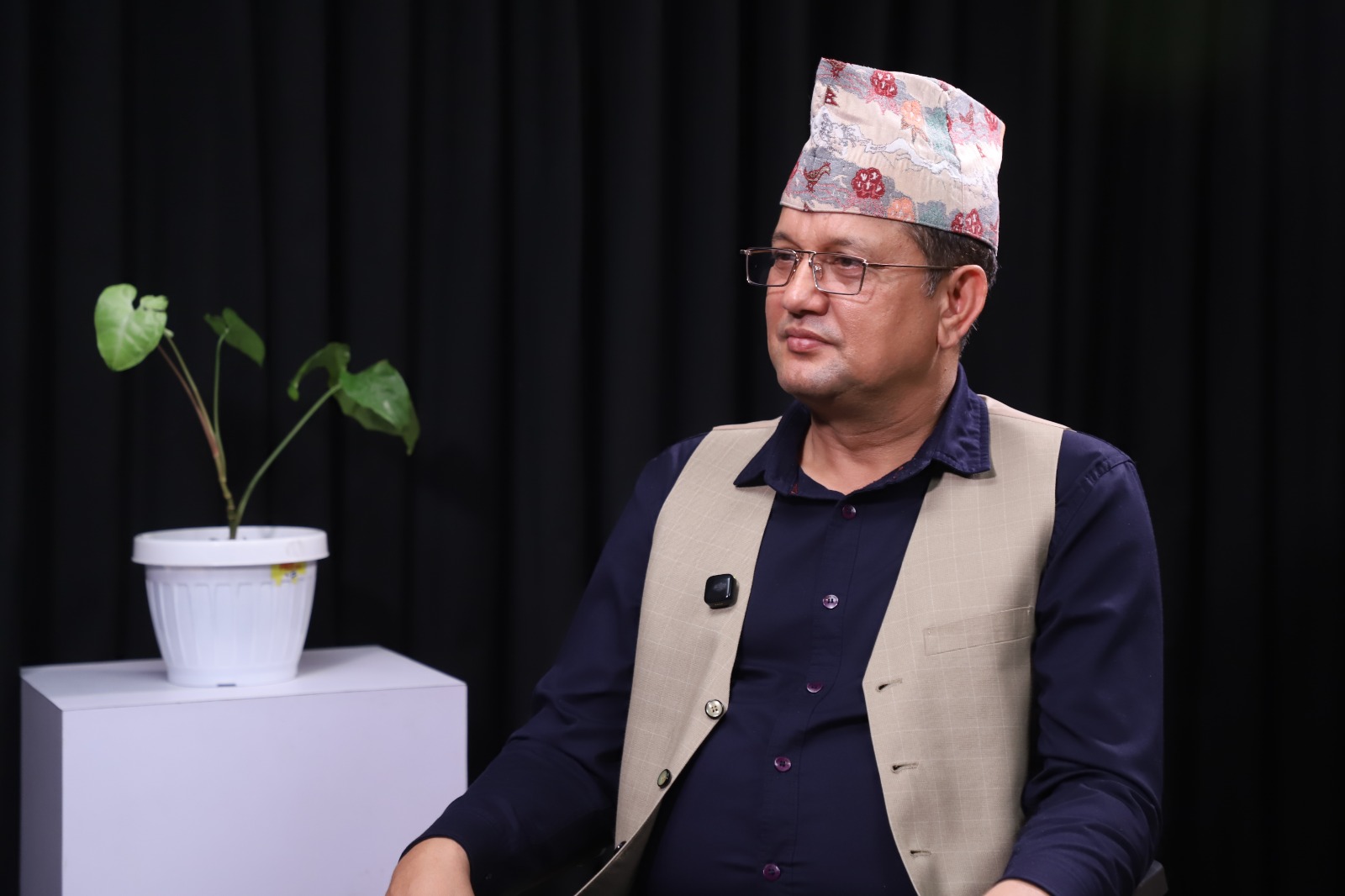
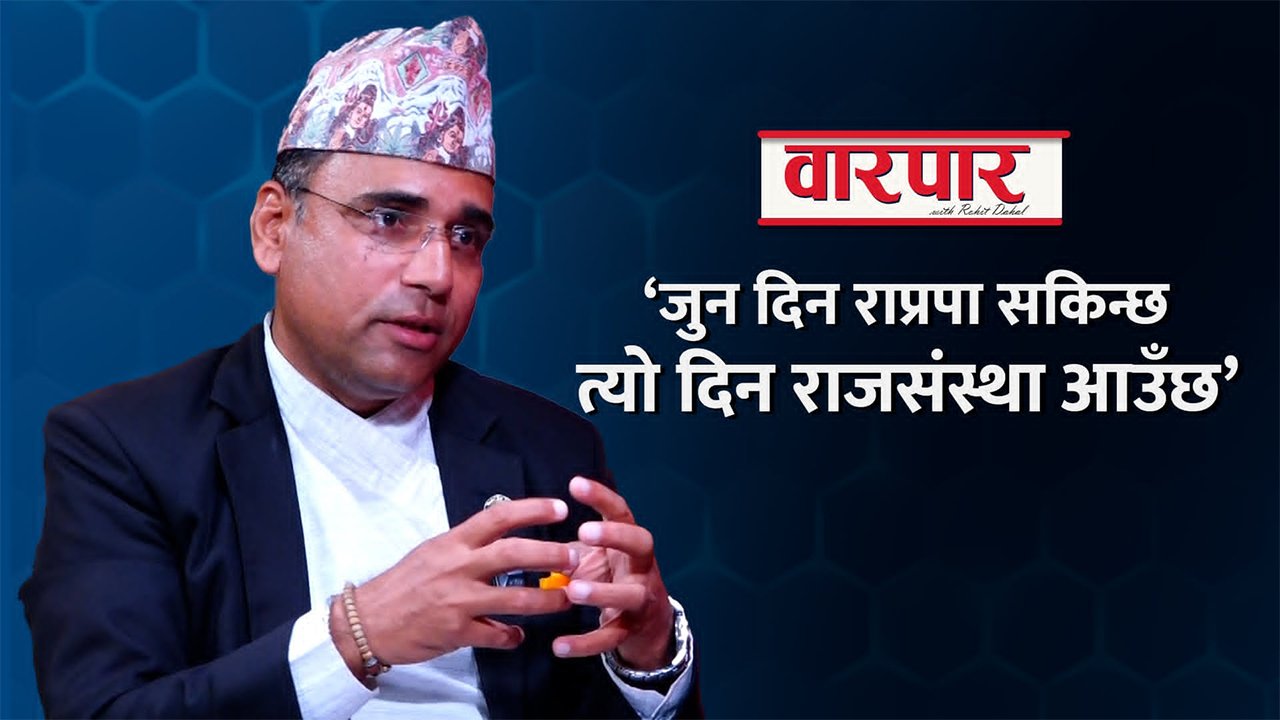
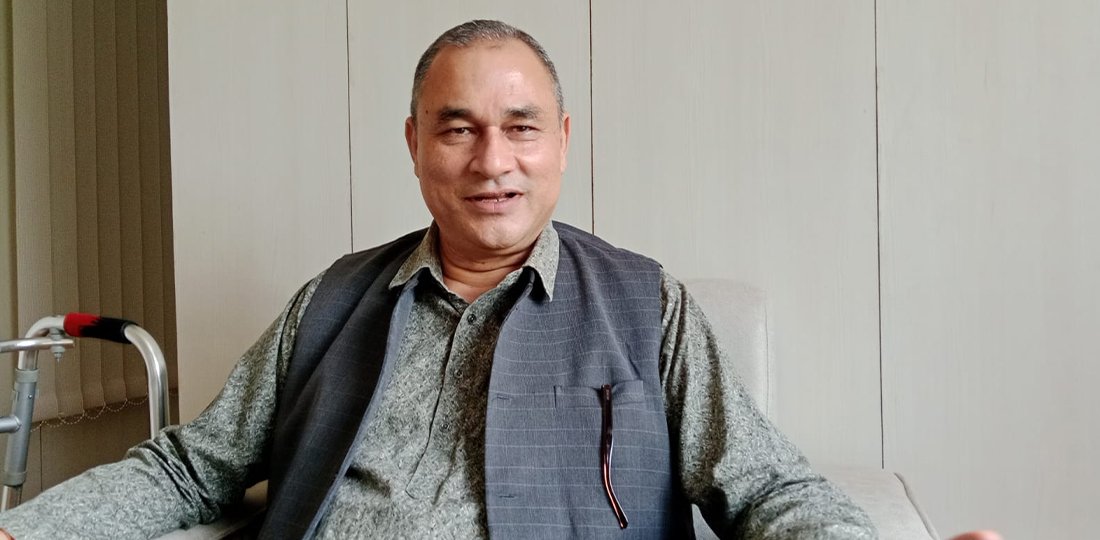
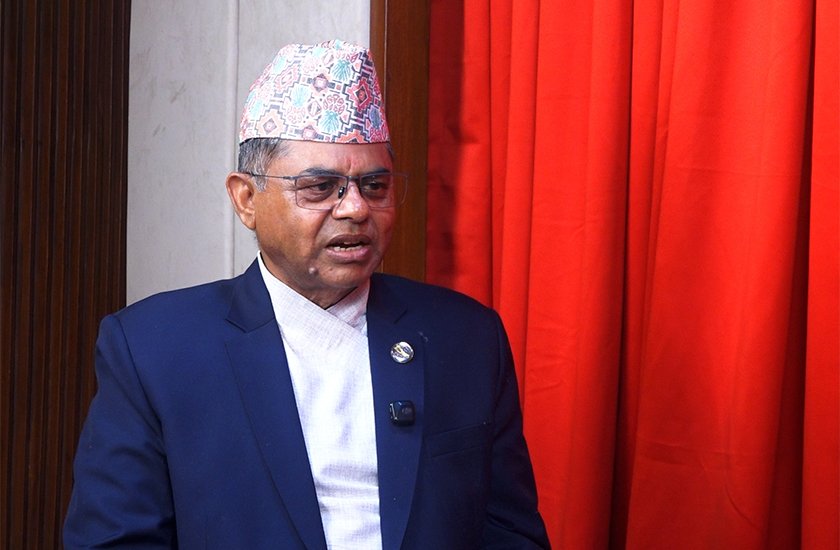
Anil Kumar Sinha, an influential member of the interim cabinet, possesses not only high judicial experience but also the rare experience of handling seven ministries in a single term in the executive branch. As the government receives widespread praise for its role in ensuring fair and fraud-free elections, here is an edited excerpt from Ratopati's 'Warpar' interview with Minister Sinha regarding ministry-level work, politicization within the bureaucracy, supply chain challenges, and issues seen in Nepal's overall administrative system (the detailed interview can be viewed and heard in video format):
A new government is certain to be formed. This government has successfully completed the main responsibility of conducting the elections. You yourself are departing after handling seven ministries. How did you manage so many ministries during this period of 6 months and 7 days?
Indeed, this period was very challenging but significant for learning. Initially, I was assigned responsibility for three ministries: Industry, Commerce and Supplies; Law, Justice and Parliamentary Affairs; and Land Reform, Cooperatives, and Poverty Alleviation. Later, the workload of other ministries was added.
I managed my time by dividing it. Since the Ministry of Industry and the Ministry of Land Reform involve many tasks directly connected to the public, I had to dedicate more time there. In the case of the Ministry of Law, it was somewhat easier as that is my own background. I used to go there in the morning to get briefings on ongoing work and issue necessary directives.
The Ministry of Law, in a way, operates on a system. There is more table work involved. Some people say the Ministry of Law moves slowly or stalls work, but that is the very nature of that ministry. Since even a small grammatical error or a mistake in vowel length can carry significant meaning, one must work with extreme caution there.
The role of the Secretaries is huge in managing the ministries. In Industry and Commerce, there were two secretaries, and their coordination was excellent. In Land Reform, the problems related to cooperatives were very complex and tangled. Due to the influence of political appointments there, it was not possible to work as easily as expected. Nevertheless, I tried to speed up the work by visiting the ministries every day.
You are someone who built a successful image after serving as a judge in the Supreme Court for a long time. What differences did you observe coming directly from the disciplined environment of the judiciary to this political and administrative environment of the ministries?
There is a world of difference between the working style of the judiciary and the ministries. In the court, there is a fixed vertical system of operation. There, a judge can build their own team, and orders or judgments come through a process. But upon coming to the ministry, you do not just have your own team. You have to encompass offices across Nepal and thousands of employees.
In court, we make decisions based on facts and law, but in the ministry, the combination and management of many factors are key. Here, it is necessary to understand the psychology of the bureaucracy. Some employees are proactive, bringing both problems and solutions. Others need to be guided.
While hearings and judgments are important in the judiciary, implementation and coordination are crucial in the ministry. My judicial background greatly helped me in handling the Ministry of Law and understanding the legal complexities of other ministries.
The main thing is teamwork. A minister cannot achieve anything alone. Results are visible only when there is positive cooperation from the Secretaries, Joint Secretaries, and lower-level employees. I received good support from the employees in the Ministry of Industry from the very beginning, which allowed us to achieve some visible work in resolving supply chain and industrial problems.
Some controversies have arisen regarding the work done during your tenure. Specifically, you were accused of bypassing seniority to give responsibility to a junior in the selection of leadership for the Civil Aviation Authority of Nepal (CAAN). What do you say about this?
This claim of bypassing seniority is merely a misconception. Regarding the leadership of the Civil Aviation Authority, the most senior person was under suspension. There were legal and technical issues concerning the individuals next in line of succession. I maintained a clear stance when making any appointment: seniority should not be bypassed unless an employee is facing action or has a question mark over them.
In the case of CAAN, I consulted with the Chairman of the Public Service Commission. The appointment was made based on the criteria shown by him, indicating the senior person among those at the 12th level. It was not that a junior was brought in, as reported in the media. In the case of employees promoted on the same date, the seniority of the previous post is considered. Everything was done following due process.
But unfortunately, one dark spot in our administration is that a decision made inside the ministry starts getting negative interpretations in the media before it even leaves the room. In many cases, this is also planned. I believe this is a maneuver by certain vested interest groups to get decisions made in their favor. I have identified some such individuals and will advise the incoming leadership to remain cautious of them in the future.
You mentioned politicization in the bureaucracy. Are the employees in the ministries truly acting like party cadres? How difficult was it for you to work?
It is no secret that employees are affiliated with various political parties. Many employees have legacies connected to some political party or another. I also observed that some employees would not move a file forward without consulting or getting a green signal from the political leader who brought them into the ministry.
When I started working, I was briefed about who brought whom in and which party person they belonged to. But I called everyone and clearly stated—Once you enter the ministry, you are a national employee; you are my people, and your responsibility is to the nation. Work in such a way that when you go home in the evening, you can proudly look at your child's face and say I did something good for the country today.
Gradually, the environment improved. When employees were given the freedom to work according to their official responsibilities and trusted, they delivered results. However, there is a top-down approach here where the tendency is to do nothing until an order comes from above. This is like termites eating away at our system. Changing this requires much more time and courage.
As you depart from the Ministry of Industry, you published 166 points of achievements. This includes strengthening the supply system. But currently, there is a shortage of petroleum products and gas in the market. Consumers are forced to stand in long queues. Doesn't this contradict your claim of smooth supply?
The issue of supply is largely dependent on external circumstances. Especially regarding petroleum products, we are completely dependent on India. We have maintained regular contact with India so that quotas are not reduced. However, sometimes due to technical reasons or the need to use alternative routes, there might be a few days' delay in supply.
As for gas, the current problem is not due to a shortage in supply but rather due to internal disputes among entrepreneurs and psychological fear among consumers. There were some internal issues among the entrepreneurs of a company with a large market share like Nepal Gas, which caused some slowdown in bottling for a few days. But we have immediately coordinated and brought it back on track.
Another thing is the tendency of hoarding as soon as consumers sense a shortage. There are people who keep five cylinders at home when one would suffice. In Patan, we found over 6,000 cylinders being hoarded in one place and took action. Intermediaries and businesspeople who try to profit by creating artificial scarcity in the market are always active. Our monitoring mechanism is somewhat weak; we lack sufficient resources and trained manpower, which makes it difficult to keep the market under complete control.
The prices of edible oil, cement, and other foodstuffs also seem to have increased sharply during your tenure. Has the ministry left the market to the mercy of middlemen?
The main reason for the price hike is the increase in the cost price. When the price of raw materials increases in the international market, it also affects Nepal. In the case of oil and food grains, the price increased at the source. For cement, the cost of coal and other raw material transportation increased. However, some businesses might have artificially increased prices, which we intensified monitoring to control.
Our monitoring mechanism needs a lot of improvement. We do not have a team to scientifically forecast market demand and supply. We only become active when a problem arises. Employees have not been trained in modern monitoring techniques. The next government should establish a permanent and powerful monitoring body for market control, involving experts.
Consumers also need to be aware. If consumption is reduced and hoarding is avoided, it helps control prices in the market. For example, when the Oil Corporation asked to reduce consumption, the increase in the use of ride-sharing or electric vehicles is a positive development. Such small efforts have a big impact.
The Ethanol Policy was much discussed. This file, which had been shelved for a long time, moved forward during your tenure. How will this benefit the country?
I believe the implementation of the Ethanol Policy is a significant achievement of my tenure. India had already started distributing ethanol-blended petrol in its regions bordering Nepal. We can also produce ethanol from raw materials produced in our own country and mix it with petrol.
This brings two major benefits. First, billions of rupees spent on fuel imports will be saved. Second, sugar mills and other industries within the country will get a new lease of life, creating employment. We advanced this based on expert advice. If this is continued properly, our dependence on petroleum products will be reduced to some extent.
You mentioned the ministry's 'system is like it has termites.' Why couldn't you bring about reform despite being in such a powerful position? Are the middlemen truly stronger than the ministry?
Termites refer to the deterioration in work style and tendencies. There is a huge lack of accountability in our administration. The tendency to wait for orders from above to do any work and to consider one's own interests when making decisions is prevalent. It is no secret that middlemen influence everything from development projects to policy decisions.
Middlemen do not enter the ministry directly; they establish their access under various guises. In many cases, people close to the Minister or Prime Minister themselves act as intermediaries. Perhaps because I came as a judge, such people were afraid to approach me. I did not give entry to any intermediary I knew of. But it was impossible to completely remove those deeply rooted in the system within six months.
I motivated employees for reform by telling them, 'Only you know where your shoe pinches.' Signs of improvement were seen in some areas, but changing the entire system requires firm willpower at the leadership level. As long as the Minister and Prime Minister do not set aside their personal interests and look only at the national interest, these termites will not be eradicated.
Where does the effort to remove Nepal's airspace from the European Union (EU) security list stand? You claim some achievement in this area, right?
We have made very significant progress in the area of aviation safety during this period. We re-established the dialogue with the European Union, which had been broken. Through the joint efforts of CAAN and the Ministry, we created an action plan to address the EU's concerns.
Now the EU has sent a team of its experts to Nepal, with no liability falling on the Government of Nepal. Airbus and EU trainers have come to Nepal and are training our pilots and technicians. Training has begun with a state-of-the-art simulator brought to Nepal. This is a major achievement in Nepal's aviation history. Because of this, our airlines will no longer have to pay for expensive training abroad.
If work continues at this pace, the EU audit will take place within the next few months, and the possibility of Nepal being removed from the blacklist is strong. We have also coordinated with ICAO and submitted our progress on reforms, which is why they have postponed their audit for some time. All these efforts will help make Nepal's aviation sector safe and international standard.
What is your advice to the incoming new government and ministers? What should they do first to build the nation?
My first advice to the new government is: exercise restraint and do not harbor any feelings of revenge against anyone. Employees are ready to reform; give them an environment to work. If the leadership works impartially and selflessly, the system will automatically get on track.
The Prime Minister and Ministers must be cautious of the hangers-on and middlemen surrounding them. Many people are taking undue advantage by trading on the Minister's name; strict monitoring must be kept on that. Strengthen our monitoring mechanisms. Give employees full freedom to perform their official duties, but take immediate action against those who do wrong.
The country can be built; there is no shortage of resources and means, only a need for management and honest leadership. We have created an 'enabling environment'; now, we wish for the new government to give it momentum.
This specific news has been automatically translated by AI. As a result, there may be some inaccuracies or language errors.