Central Bank Act Amendment Faces Questions from Governor

Kathmandu. Questions have been raised about the rationale of the central bank act amendment presented by the government in the parliament. The need for the amendment bill has been questioned after the governor of the central bank himself raised questions about the important provisions proposed in the bill.
The government had registered the 'Bill to Amend the Nepal Rastra Bank Act, 2058' in the parliament, stating that it would make Nepal Rastra Bank timely, technology-friendly, and more robust. It is currently under consideration by the Finance Committee.
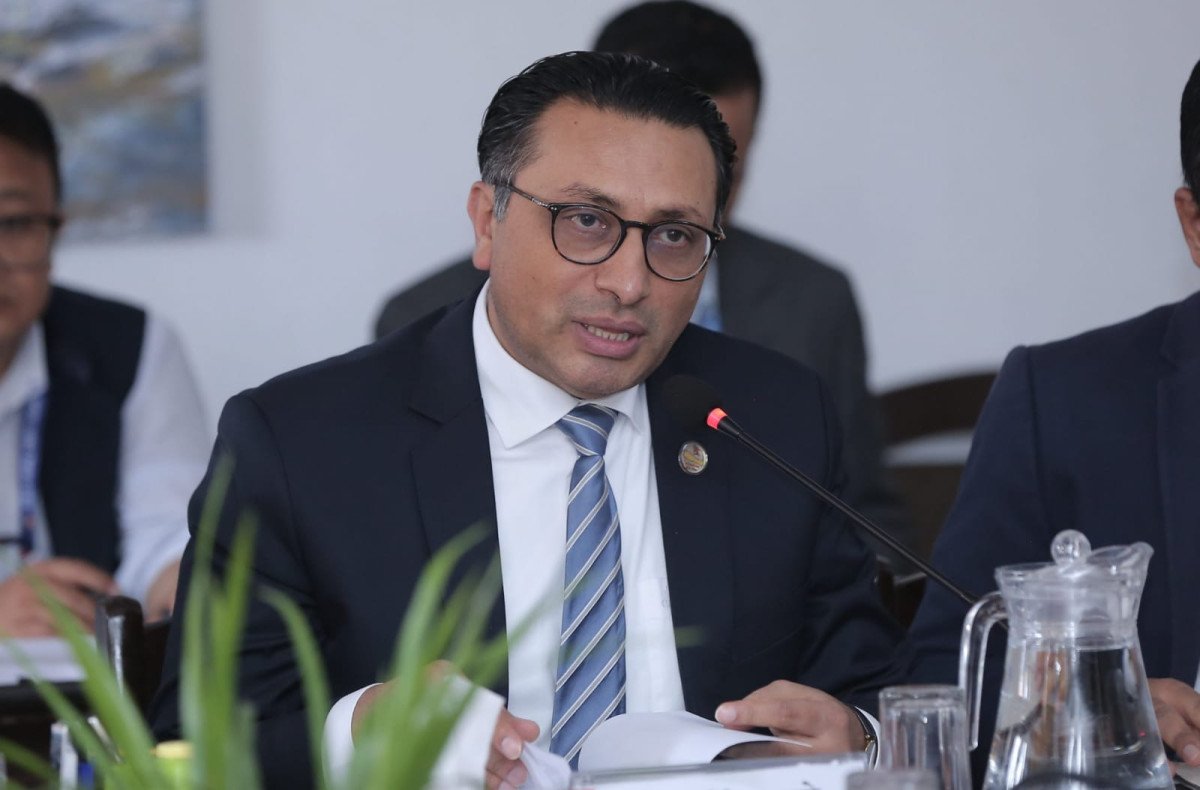
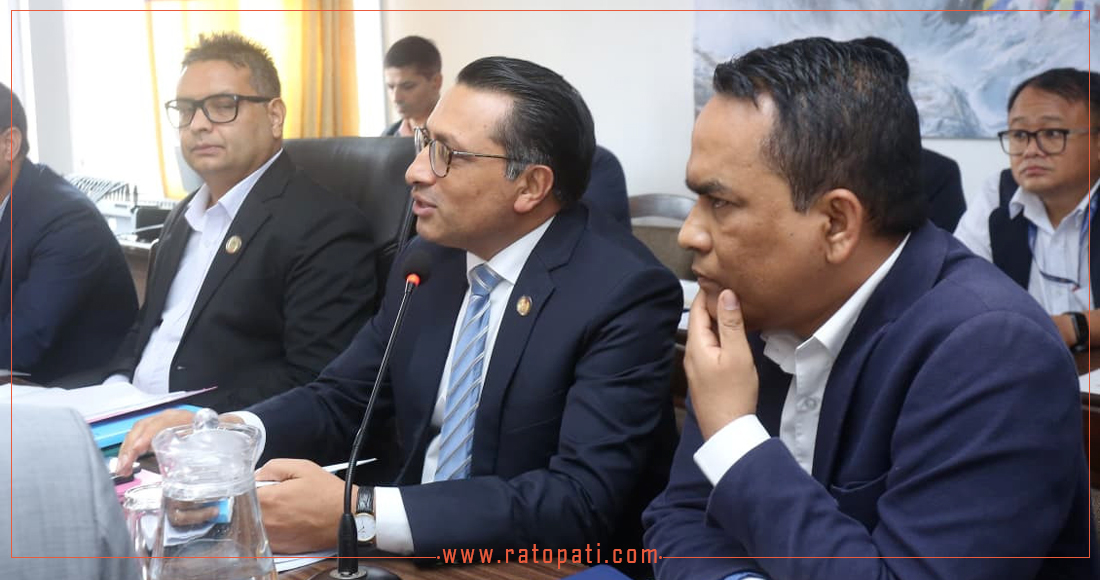
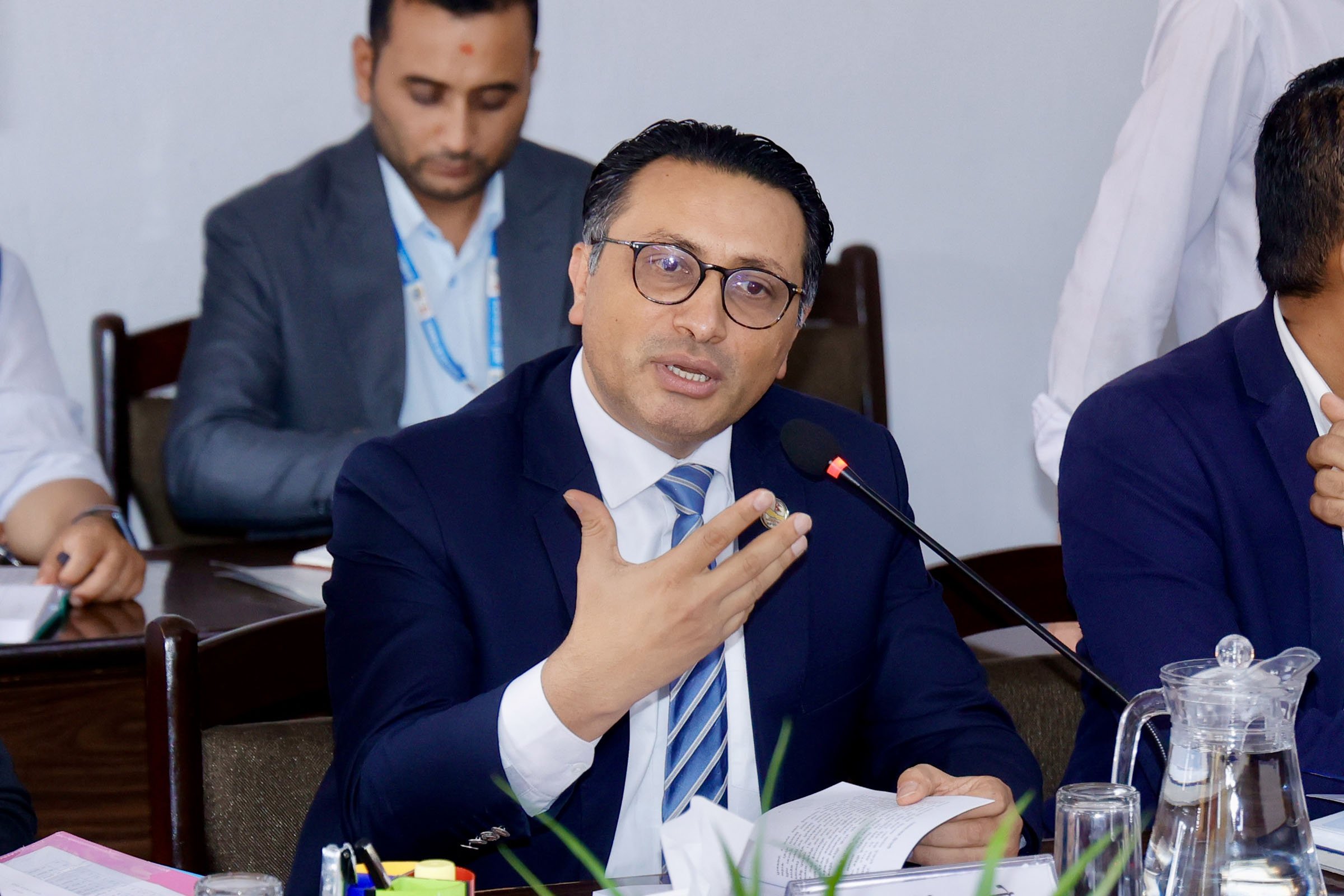
In the preliminary and theoretical discussion held on the bill in the committee on Friday, Governor Dr. Bishwanath Poudel claimed that the main amendments proposed by the government are unnecessary and impractical.
The bill includes important proposals ranging from the preamble to the qualifications of the governor, the process of removal from office, the cooling-off period, and the provision of sending profits to the government, to which the governor has expressed disagreement.
The governor stated that most of the clauses in the bill brought by the government are not necessary. After the governor disagreed on important issues, the MPs also questioned why the government brought this bill if the act did not need amendment.
- 'Preamble and Objectives Do Not Need Amendment'
The government has proposed some amendments to Section 4 of the Act to broaden the objectives of the central bank. However, the governor clarified that the provision regarding the bank's objectives in Section 4 of the original Act is correct and does not require any amendment.
Citing international practices, he said that the central bank could be linked to the issue of reducing unemployment. 'In the past, the US Federal Reserve used to include the issue of reducing unemployment in its objectives. This was done by looking at the relationship between interest rates and employment according to the Phillips Curve theory,' said Governor Poudel. 'If necessary, that can be added. As for other matters, our opinion is that the objectives set in our existing law are correct.'
Similarly, he stated that the existing provision in Section 7, which prohibits the bank from providing guarantees to any entity, should be continued. Although some MPs expressed the view that the central bank should provide guarantees, the governor made it clear that the central bank itself would not provide guarantees.
- 'Proposed Qualifications to Become Governor are Unnecessary'
His view is that the educational qualifications and experience for the governor and deputy governor are also impractical. The amendment proposed by the government uses language implying that to become governor, one must have an additional 10 years of experience after reaching positions such as professor, secretary of special class, or executive director.
However, the governor stated that this provision is not practical. 'This provision is technically and practically flawed. Being a professor is itself the result of long experience. After becoming an executive director of the central bank, seeking another 10 years of experience is not possible. Seeking 10 years of experience after becoming a secretary is even less feasible, as becoming a secretary is itself the result of long experience,' he said.
Citing the hierarchy, he said that a person who has become the Vice-Chairman of the National Planning Commission is in a higher rank than the governor, and such a person should not be judged by experience.
He expressed concern that the proposed provision would make no one eligible to become governor in the context of Nepal, or that this provision seemed to be 'tailored' to suit only one or two specific individuals.
- Cooling-off Period Provision Not Needed, State Should Be Independent
The bill proposes a 'cooling-off period' under which individuals retired from the bank would not be allowed to work in other banks and financial institutions or other entities for a certain period. However, the governor also questioned the rationale of this provision.
'The post-retirement cooling-off period does not seem particularly necessary. The human resources developed by the state with long-term investment are highly capable. Some of our central bank's executive directors have reached prestigious positions like Vice-Chairman of the National Planning Commission immediately after retirement. In the last few years, 3 people have gone to the Planning Commission,' he said. 'If the state needs them, the state should have the flexibility to utilize such experienced human resources anywhere and anytime.'
- Provision to Remove Governor is 'Awkward'
The governor has also disagreed with the issue of who should lead the investigation committee to be formed if the governor of the central bank needs to be removed or investigated.
The current Act has a provision for forming a committee chaired by a retired judge of the Supreme Court. However, the amendment bill proposes to reduce this to a 'High Court judge'.
Calling this 'awkward', he said, 'The legal provision is that the Chief Justice of the Supreme Court administers the oath to a position like the governor. It is not appropriate in terms of dignity and procedure for a judge of a lower court than the Supreme Court to investigate and remove someone who has taken an oath from the Chief Justice of the Supreme Court.' He insisted that the existing provision of a committee chaired by a retired judge of the Supreme Court should be maintained.
- Money Transfer to Government Should Be Decided by the Board
Amendments have been proposed in Sections 40, 41, and 42 of the bill regarding the distribution of income and expenditure of the central bank and the transfer of profits to the government.
The government has proposed that after allocating funds to various funds of the central bank, all remaining amounts should be automatically deposited into the government of Nepal's account.
The governor warned that this provision could be detrimental to the economy, citing the example of fiscal and monetary balance.
'If we earn one to two hundred billion rupees in a year, we allocate it to specific funds, and the remaining amount is sent to the government only after the decision of the board of directors,' he said. 'But the amendment says it should be sent automatically. The central bank is given the target of controlling inflation. The board of directors should have the freedom to make macro-level decisions on how much money to send to the market.'
He stated that automatically giving money to the government could lead to liquidity problems in the market. He said that the existing provision should be maintained in this matter.
- MPs' Question: Why the Distance Between Ministry and Bank?
After the governor rejected the main points of the government's bill, the MPs present in the parliamentary committee questioned the coordination between the Ministry of Finance and the central bank.
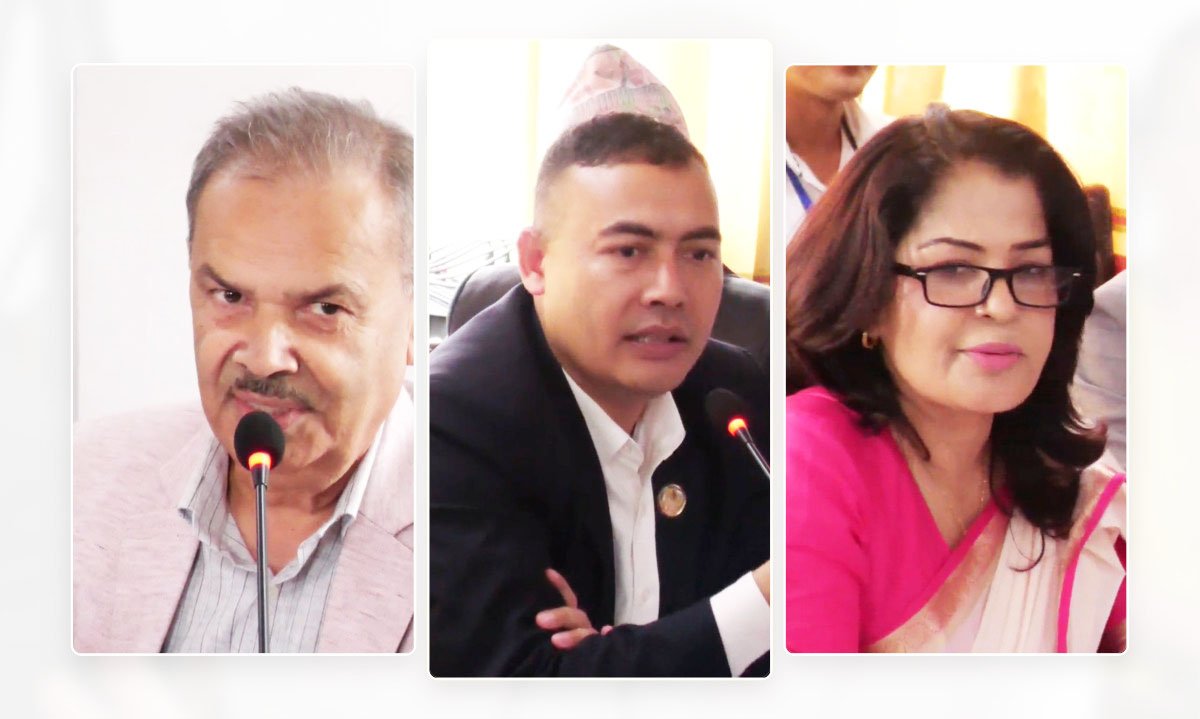
MP Dr. Pushparaj Kandel sarcastically said, 'Listening to the Governor, it seems there is no need to amend the Act. If no amendment was needed and the existing provision was fine, why did the government bring this bill? Why couldn't a common understanding be reached between the Ministry of Finance and the central bank?'
He suggested that if the Nepal Rastra Bank Act, BAFIA (Banking and Financial Institutions Act), and the Banking Offenses Act were brought together and discussed simultaneously, the contradictions would be reduced.
Another MP, Lima Adhikari Acharya, proposed to abolish the provision of the Finance Secretary being on the board of directors of the central bank.
'If the central bank is to be made autonomous, the presence of a representative of the executive branch on the board will increase interference. They should only be made an invited member or observer as needed,' she said. She demanded that at least one female director be made mandatory on the seven-member board and that a 'Monetary Policy Committee' be formed, as in more than 70 countries, and its minutes be made transparently public.
MP Sushil Khadka said that although the central bank is autonomous, it cannot go beyond the policy directives of the state. He expressed the view that as the world has entered the era of fintech and digital banking, the central bank should welcome new ideas and new blood.
MP Parshuram Tamang raised the issue of cryptocurrency, demanding a clear plan from the central bank, warning that adopting it hastily could cost up to 44 percent of the Gross Domestic Product (GDP).
Similarly, MP Niti Karki Bhandari said that financial literacy is extremely weak at the provincial and local levels and that people are facing hardship in getting loans for agriculture and small industries due to the policies of the federal and provincial governments.
- Clarification from Ministry of Finance and Law Department on Amendment
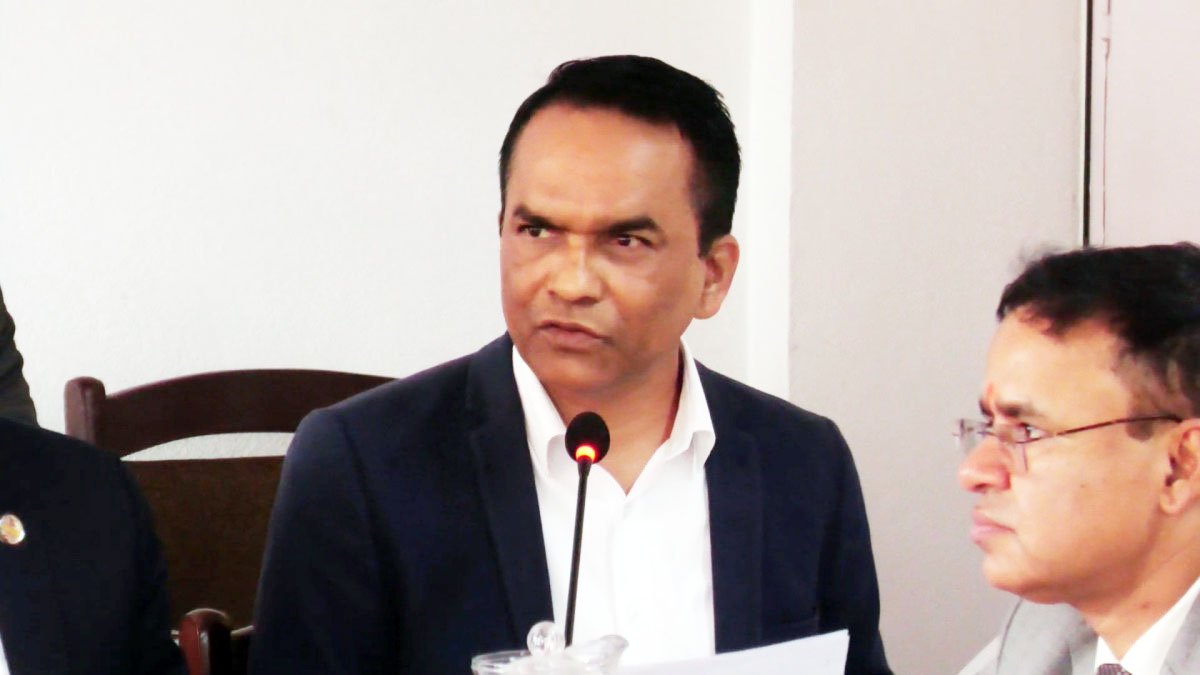
An official from the Law Department of the central bank clarified that the Act needs to be amended due to some legal compulsions and court rulings.
He stated that in particular, the Supreme Court's interpretation that individuals who have received warnings or admonishments from the central bank are also subject to action and are ineligible to become directors or CEOs of the bank has created practical difficulties that need to be addressed through clear provisions in the Act. He also said that the law needs to be opened up to address digital currency and new technologies.
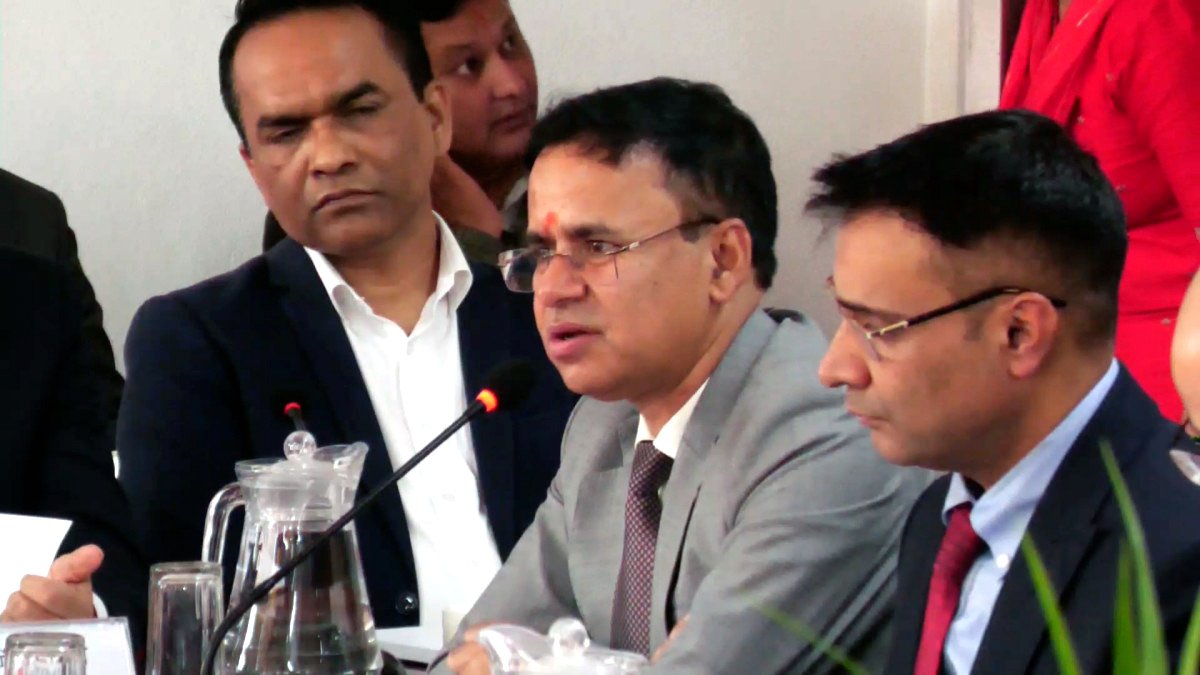
Dr. Ghanshyam Upadhyay, Secretary at the Ministry of Finance, said that this bill has been brought as part of the government's overall economic reform priorities.
'This amendment has been proposed to create a strong regulatory body capable of facing new governance structures, technological advancements, and new challenges,' said Secretary Upadhyay.
In the discussion, Finance Minister Dr. Swarnim Wagle stated that the government formulates the budget and fiscal policy, and the central bank should formulate monetary policy to support it, so there should be a policy coordination role between the two bodies, but the government would not interfere with the operational autonomy of the central bank.
This specific news has been automatically translated by AI. As a result, there may be some inaccuracies or language errors.