Liver Transplant in Nepal Faces Challenges Due to High Cost and Lack of Infrastructure

Liver transplantation is performed in a small number of cases in Nepal. The rate of transplantation is low due to the expensive treatment method, lack of specialist doctors, insufficient infrastructure, and the government not providing concessions for liver transplantation.
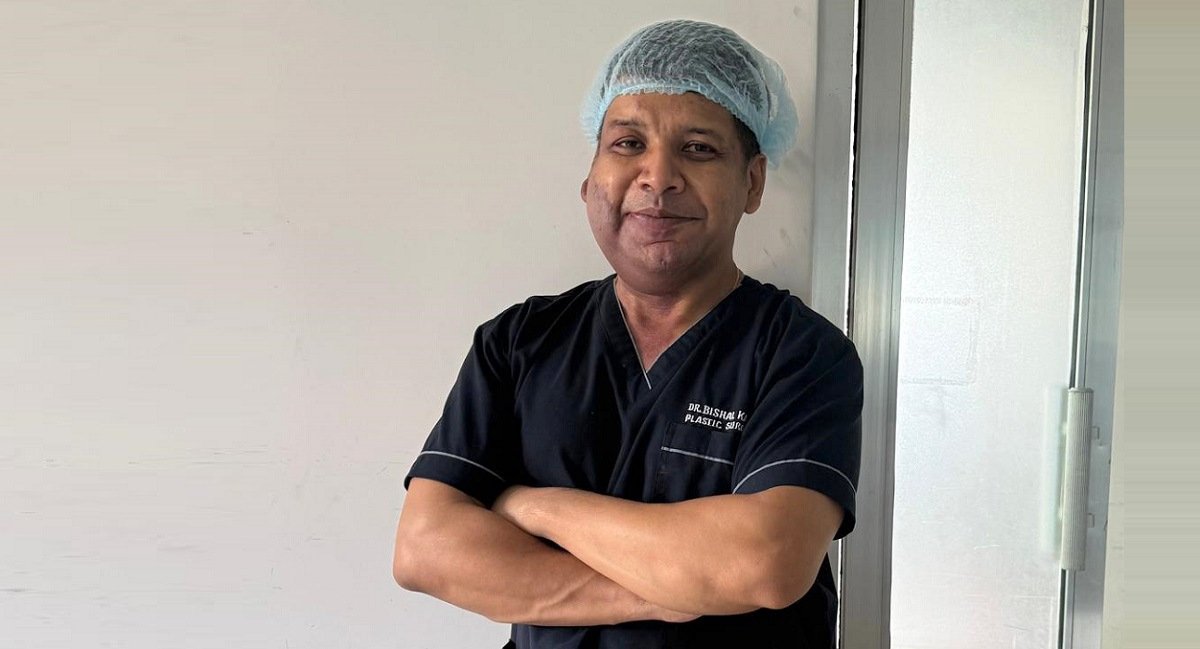
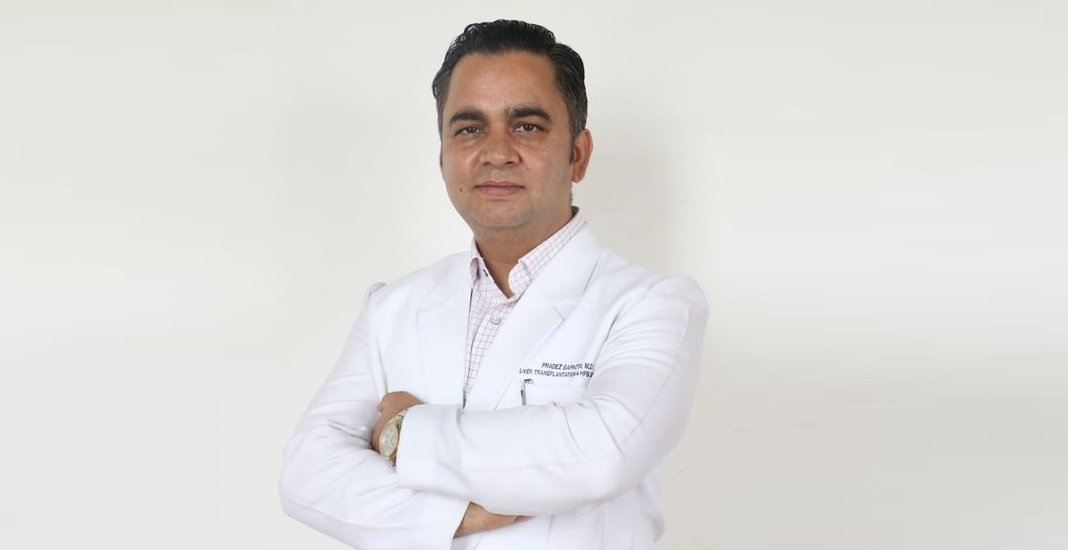
According to experts, liver transplantation is a medical procedure to replace a failing liver with a new one. Here is a summary of a conversation with liver transplant surgeon Dr. Pradej Sapkota about liver transplantation:
Please tell us about liver transplantation.
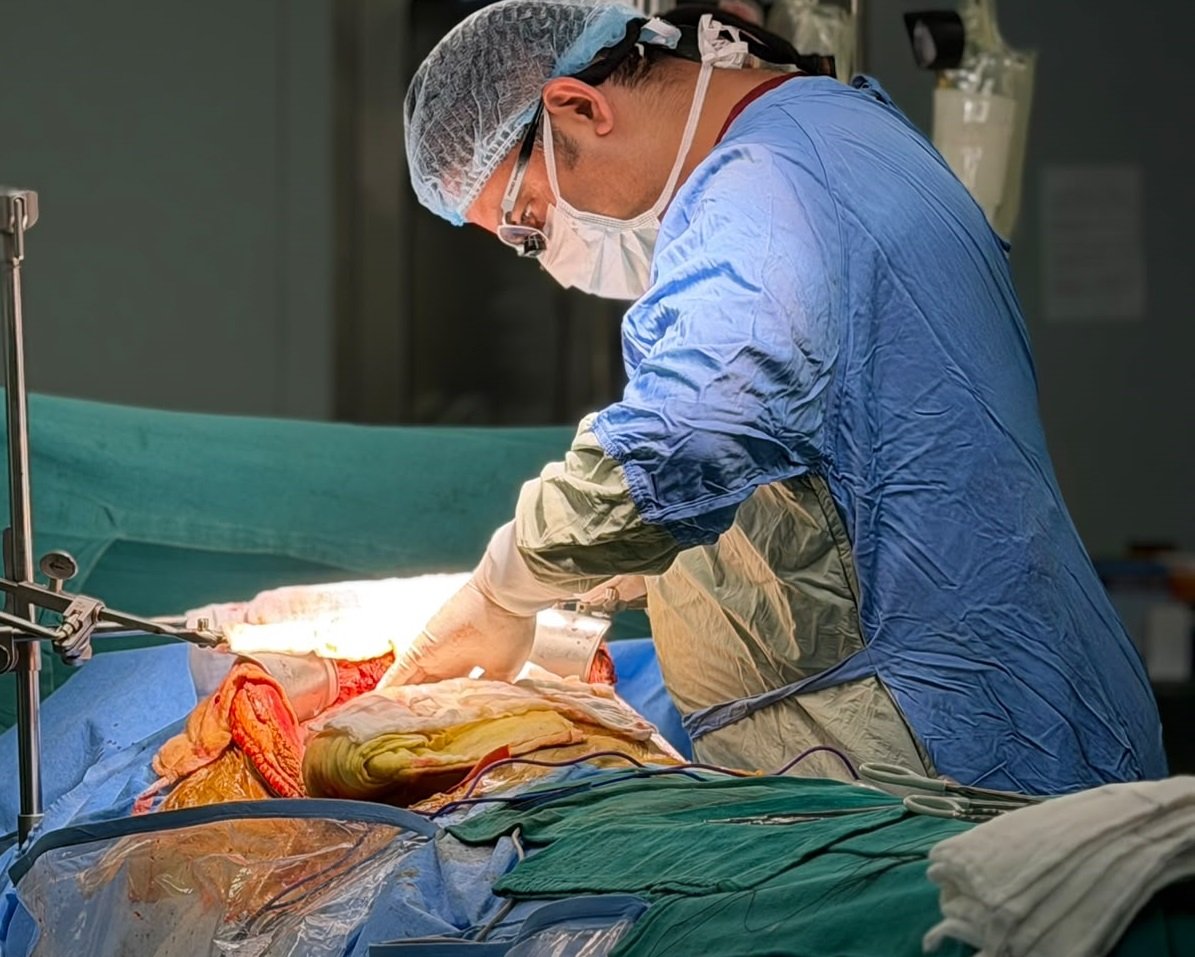
Liver transplantation is the medical procedure of replacing a liver with a new one when it fails in its final stages due to various reasons. It is the only option when the liver becomes non-functional (cirrhosis) due to excessive alcohol consumption, Hepatitis B or C infection, or obesity. There are two main ways to receive a liver worldwide.
- First, living donor: A healthy living person donates a part of their liver.
- Second, brain death: The liver is retrieved with the consent of the family of a person declared brain dead due to accident or other causes.
Both these provisions exist in Nepal's law and are being practiced. However, the number of people donating organs after brain death in Nepal is still very low.
In what conditions or diseases is liver transplantation necessary?
The main condition requiring liver transplantation is when the liver develops 'cirrhosis' (a hardening of the liver) due to excessive alcohol consumption. Similarly, transplantation is also necessary if cirrhosis occurs due to Hepatitis B and C infections. Transplantation is also needed if the liver is damaged due to obesity or if liver cancer occurs. However, transplantation is not possible for all types of cancer.
Transplantation is performed only for patients who meet specific criteria based on the size, number, and spread of the cancer. It is important to note that cirrhosis does not immediately necessitate transplantation. In the initial stages, the body can still manage the liver's functions.
However, when severe symptoms such as excessive fluid accumulation in the abdomen, jaundice, swelling in the legs, or bleeding from the mouth or stool appear, transplantation becomes the last resort. In children, liver transplantation is necessary if there is a congenital defect in the liver's structure or if metabolic diseases are present.
What are the criteria for liver donors?
Nepal's law specifies certain criteria for living donors. Only individuals within approximately 50 to 55 family relationships, such as parents, siblings, uncles, aunts, etc., can donate a part of their liver. On the other hand, for organ donation after brain death, the liver can be retrieved from anyone after completing the legal procedures. There is a specific criterion for who receives such a liver, prioritizing patients in critical condition who require immediate transplantation based on a priority list.
What are the effects or risks for the donor when donating a liver?
It is natural for people who wish to donate or are required to donate to have this question. The liver is an amazing organ in our body that has the ability to regenerate. Even if the donor donates half of their liver, within 6 to 8 weeks, 90 to 95 percent of the liver regenerates on its own and returns to its original state.
The donated part also grows and develops to the required size in the recipient's body. Regarding risks, it is a very large and challenging surgery to remove a part of the liver. Therefore, there are some risks such as blood clotting, potential hernia at the surgical site, or complications if the bile duct is cut, requiring connection to the intestine.
However, modern medical technology can easily manage all these complications. There are no significant long-term effects on the donor's life.
What is the average lifespan increase for patients after transplantation? What is the situation in Nepal?
According to international statistics, the results of liver transplantation are very good. The survival rate within one year after transplantation is 90 to 95 percent, and the survival rate for 5 years is 75 to 80 percent. Many patients live long and quality lives after transplantation.
In the context of Nepal, liver transplantation is not yet fully established. Currently, 4-5 hospitals in Nepal provide this service. However, as this is an extremely complex, expensive surgery requiring a large workforce, the service has not yet reached a fully self-reliant model.
We are still in the struggle phase. However, due to the continuous efforts of the medical team, we are fully confident that this service will be available in Nepal with even greater ease and excellent results within the next one to two years.
If the blood groups of the patient and donor do not match, can the transplant be done? What are the alternatives?
Absolutely. Liver transplantation from a living donor is possible even if the blood groups do not match. In medical science, this is called 'ABO incompatible liver transplant'.
In such cases, special medications are used to ensure that the body does not reject the liver of a different blood group. This technology has not yet been introduced in Nepal, but it is very common in countries like India, Japan, South Korea, America, and Europe.
This technology has proven to be a boon for families where there is no matching blood group member, and its success rate is also very good.
Even after a successful transplant, do patients have to take medication for life? What should be done to keep the liver healthy?
Yes, not just the liver, but after any organ transplant, patients have to take 4-5 types of medications for the initial months. Gradually reducing the dosage, at least one medication must be taken for life. Measures to keep the liver healthy include controlling alcohol consumption first.
Alcohol is easily available in Nepal, and there is a custom of excessive consumption during festivals. To protect the liver, alcohol consumption should be completely stopped or very moderate. Vaccinating children against hepatitis at birth protects the liver from infection.
Nowadays, even people who do not drink alcohol are facing situations requiring liver transplantation due to obesity. Therefore, maintaining weight control by adopting a healthy lifestyle is important. Taking paracetamol indiscriminately, eating poisonous mushrooms, and consuming unverified Ayurvedic or herbal medicines can lead to liver failure.
To keep the liver healthy, it is advisable to incorporate daily walking or exercise for at least half to one hour. Recent research has shown that drinking 1-2 cups of black coffee daily helps keep the liver healthy. Nepalis have a bad habit of eating late and heavily and then sleeping immediately. Improving this habit by eating at least 2 to 3 hours before sleeping is very beneficial for the liver.
What are the main challenges of liver transplantation in Nepal?
The low rate of liver transplantation in Nepal is due to the insufficient development of necessary state-of-the-art infrastructure and specialized manpower. It is a very expensive treatment. Unfortunately, for such a large and expensive treatment, there is no financial concession or subsidy from the government for poor patients. As the service is not fully established here, economically capable patients often go to India for transplantation in large numbers.
To make this service easier and more accessible in Nepal, it is necessary to raise widespread public awareness about organ donation. It should be made mandatory in the curriculum studied by doctors and nurses in the medical field. To spread awareness among the general public, a system should be introduced where details like 'I agree to donate organs after brain death' are mentioned on national identity cards or driving licenses.
If organ donation after brain death becomes easier, the number of transplants will automatically increase. Let's hope that the current government will take concrete steps on these serious health issues, and Nepalis will receive quality liver transplantation services at affordable prices in Nepal.
This specific news has been automatically translated by AI. As a result, there may be some inaccuracies or language errors.