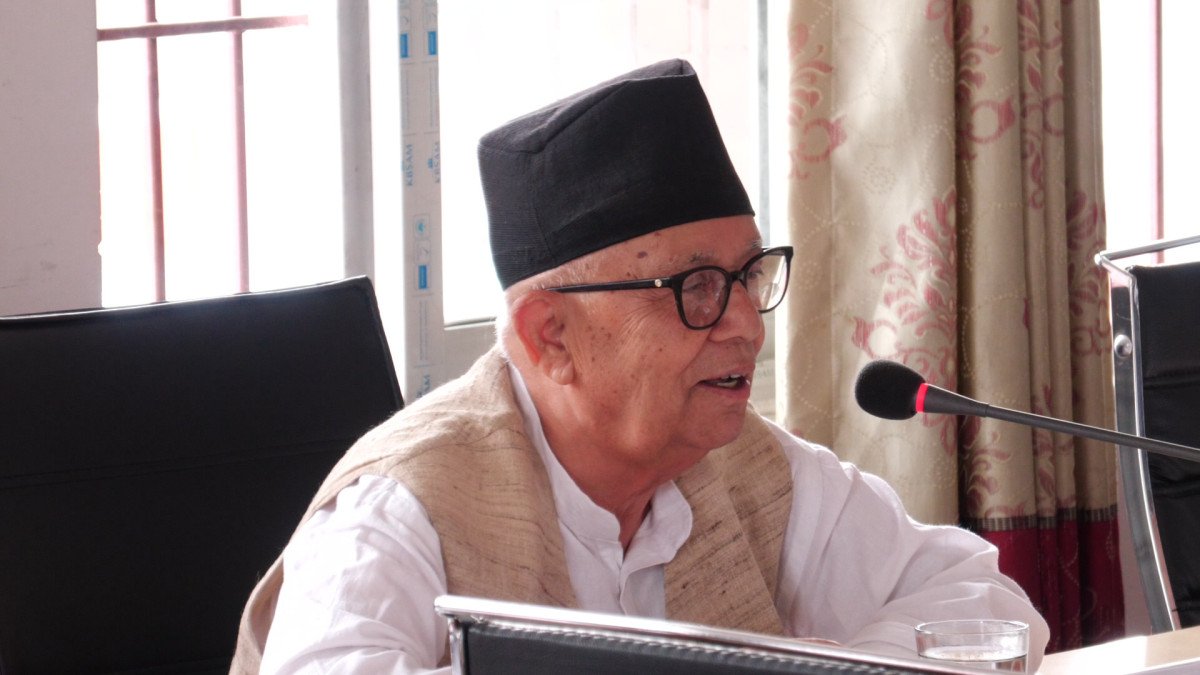
Rising Number of Nepalis Held Captive in Southeast Asian Scam Centers, Government Efforts Underway

Kathmandu. Recently, there has been an increase in the number of Nepali citizens being held captive by organized criminal groups operating online scam (scamming) centers in the border areas of Thailand, Laos, and Myanmar, as well as in Cambodia.
It has been observed that Nepalis with computer knowledge and prior foreign employment experience in countries like the UAE and Malaysia are being lured to these scam centers with promises of high-paying jobs.
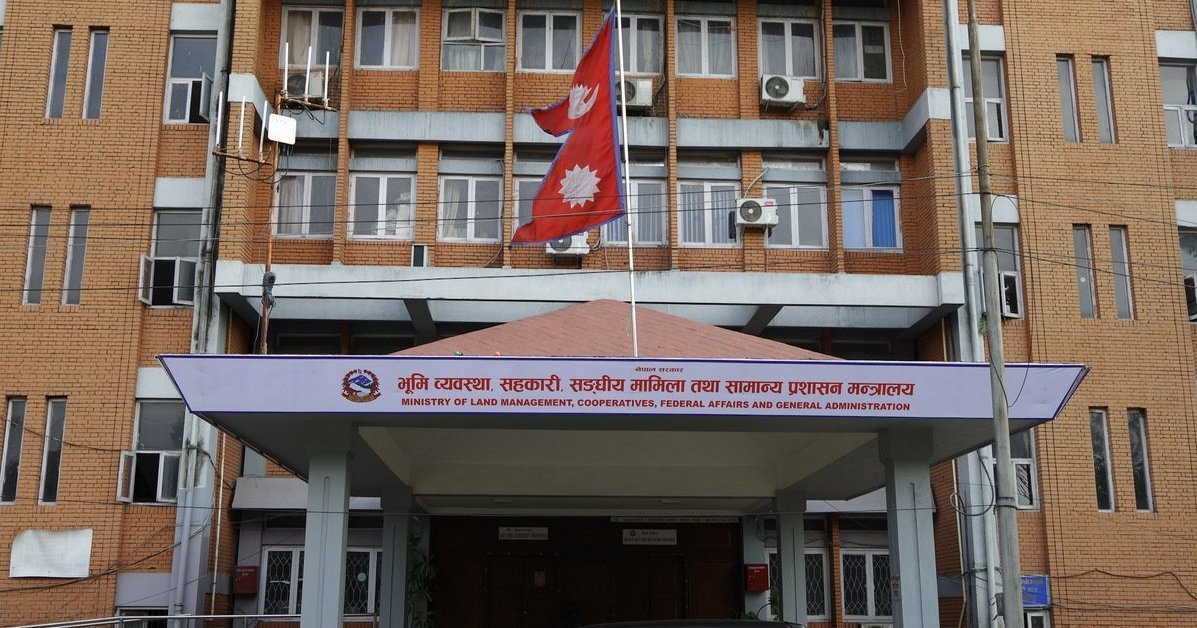
According to the Ministry of Foreign Affairs, since 2022, the total number of Nepali victims rescued from such scamming centers, with the cooperation and coordination of the governments of the respective countries, by the Nepali Embassies in Thailand and Myanmar on various dates, stands at 392. Furthermore, 309 Nepali citizens are currently in the process of being rescued.
Similarly, a court in Myanmar recently sentenced 18 Nepalis to one year in prison for illegal entry. The Ministry stated that Ambassador to Myanmar Harishchandra Ghimire has met and discussed this matter with Myanmar's government officials.
Moreover, the Ministry estimates that the number of Nepalis who need to be rescued from scam centers in those countries could be in the thousands.
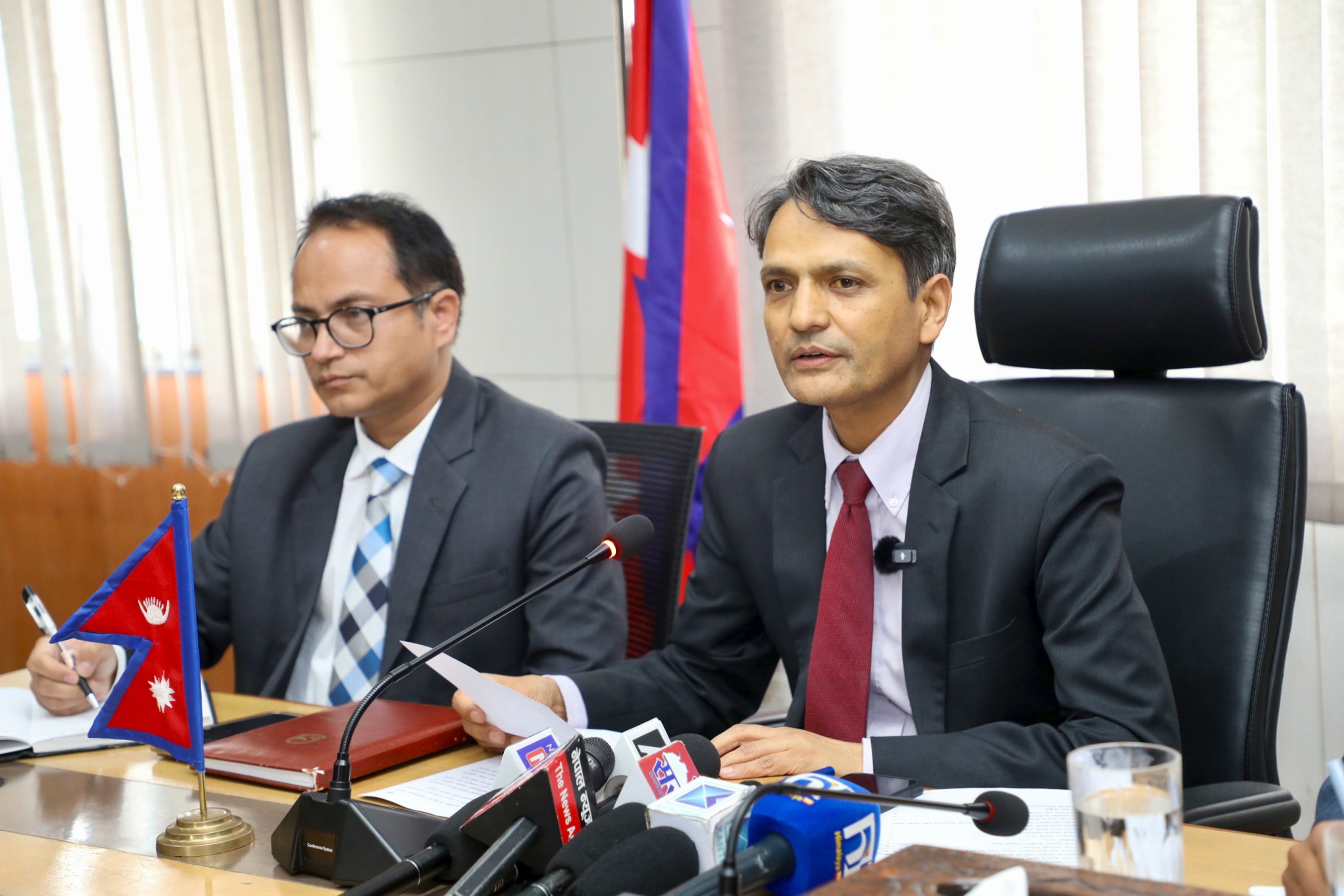
According to the Ministry, these individuals are being forcibly engaged in activities such as security guard duties, online dating, online casinos, gaming and phishing, and crypto scams at those centers. They are assigned work targets, and if they fail to meet them, they are found to be exploited using various methods. Spokesperson Lok Bahadur Poudel Chhetri informed that if targets are not met, they are falsely accused of committing a crime and subjected to extreme financial and physical abuse, or they are not released from that location until they bring a replacement for themselves.
He also mentioned that their passports are confiscated, restricting their movement, large sums of money are demanded for their release, and if the ransom is not paid, they are subjected to severe physical and mental torture.
“The Ministry is continuously making active efforts through the Nepali Embassies in Thailand and Myanmar to rescue and repatriate Nepali citizens trapped in online scam centers,” Spokesperson Poudel said, “We are also coordinating with the relevant government agencies of those countries to discourage such activities. Additionally, we periodically issue travel advisories and information for public awareness.”
Demand for bringing rescued individuals under investigation
Countries like India, China, the Philippines, and Vietnam arrest, investigate, and take legal action against their citizens rescued from such scams upon their return.
This is because individuals rescued as victims might themselves be perpetrators, partners in such industries, or some might learn the trade and operate such illegal businesses from their home country. For these reasons, such individuals often fall under the purview of law and investigation. However, this aspect seems to be overlooked in the context of Nepal. Since there is a possibility of wrongful acts being committed by such individuals, there is a growing demand that they should be investigated and brought under the scope of legal action in the future, according to the Ministry.
Regarding the rescue process, Prakash Adhikari, Chief of the South-East Asia and Pacific Division of the Ministry, informed that after the victims come into contact with the Nepali Embassy, a request is made to the respective country's Ministry of Foreign Affairs for rescue. “After completing the local procedures of that country and preparing for return to Nepal, the Embassies facilitate bringing them via Bangkok to Nepal,” he said, “In some cases, the rescue is delayed due to the cost of air tickets for returning to Nepal.”
The Ministry also complains that the rescue process takes a long time because there is a lack of financial resources to dispatch staff for rescue. Countries like India, Bangladesh, and Sri Lanka, on the other hand, dispatch their embassy staff to the border areas where victims are located to expedite rescue and repatriation in such situations.
When staff personally visit and discuss and negotiate with government agencies in those countries, the rescue process becomes faster and smoother. In Nepal's case, contacting Non-Resident Nepali Associations or individuals from other Nepali communities in the countries where the victims are located and working through them takes a long time.
Further complications in rescue from areas controlled by armed groups
Since these scam centers operate outside the reach of effective legal action, the rescue and repatriation of victims become extremely difficult. These scam centers operate in areas outside government control/reach. Specifically, in Myanmar, they operate in areas controlled by armed groups near the Thai border, and in some areas of Cambodia and Laos.
Pushpa Raj Bhattarai, Chief of the Ministry's Labour Migration and Nepali Diaspora Coordination Division, informed that the process for returning home takes a long and complicated time in those countries. It has been observed that some victims go to those places due to temptation even when they are aware of such online scam centers.
He urged people not to trust brokers, agents, or middlemen who show attractive jobs, high salaries, or “golden opportunities” when traveling to the mentioned countries or going for foreign employment. “Many such individuals may be directly or indirectly connected with the criminal groups operating the scam centers,” he said.
The Ministry has urged people to gather thorough prior information about foreign employment before departing for work in the respective country, obtain labor approval only according to the standards set by the Government of Nepal before going for foreign employment, check beforehand whether Nepal has a formal labor agreement with the destination country, and not to go for employment on a visit visa to high-risk countries.
---
This specific news has been automatically translated by AI. As a result, there may be some inaccuracies or language errors.

_QrB2irqZF2.jpg)
_2MW2lv6Wod.jpg)