AI Data Centers Face Growing Global Opposition Over Environmental Concerns

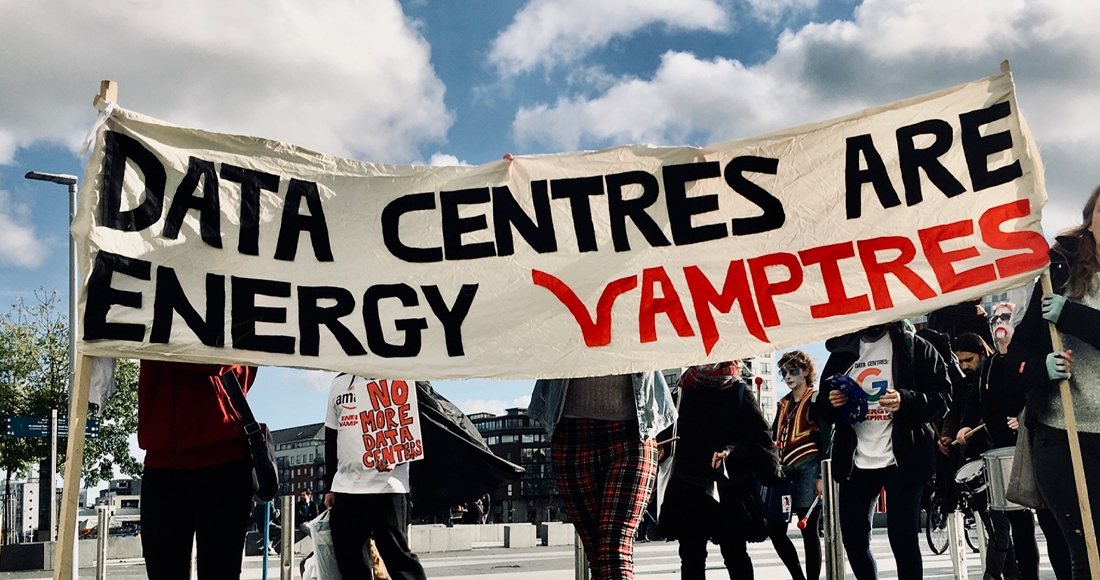
Early this year, Gallup surveyed a national sample of Americans asking whether they supported or opposed building AI data centers in their local area. 71 percent opposed, with 48 percent strongly opposed.
Opposition to living near a nuclear power plant was only 53 percent, comparatively low. Republicans, Democrats, and independents all rejected data centers. When asked why, respondents most often cited environmental concerns: water, energy, land use, noise and air pollution, and lack of community consent.
At Social Change Lab, we recently conducted a randomized controlled trial with 3,467 participants. Its purpose was to answer a question the AI Accountability Campaign has long grappled with: Of AI’s many harms, which will most effectively motivate people to move from concern to action? We tested 11 different arguments, ranging from environmental impacts to job loss and algorithmic bias; from AI-driven mass surveillance to the risk of human extinction from superintelligent AI.
The results showed that AI’s environmental impact most motivates people to take action. Job displacement ranked far below, which people mentioned on their own without prompting. The risk of human extinction came in last. And the strongest emotion tied to action was not fear or concern, but anger.
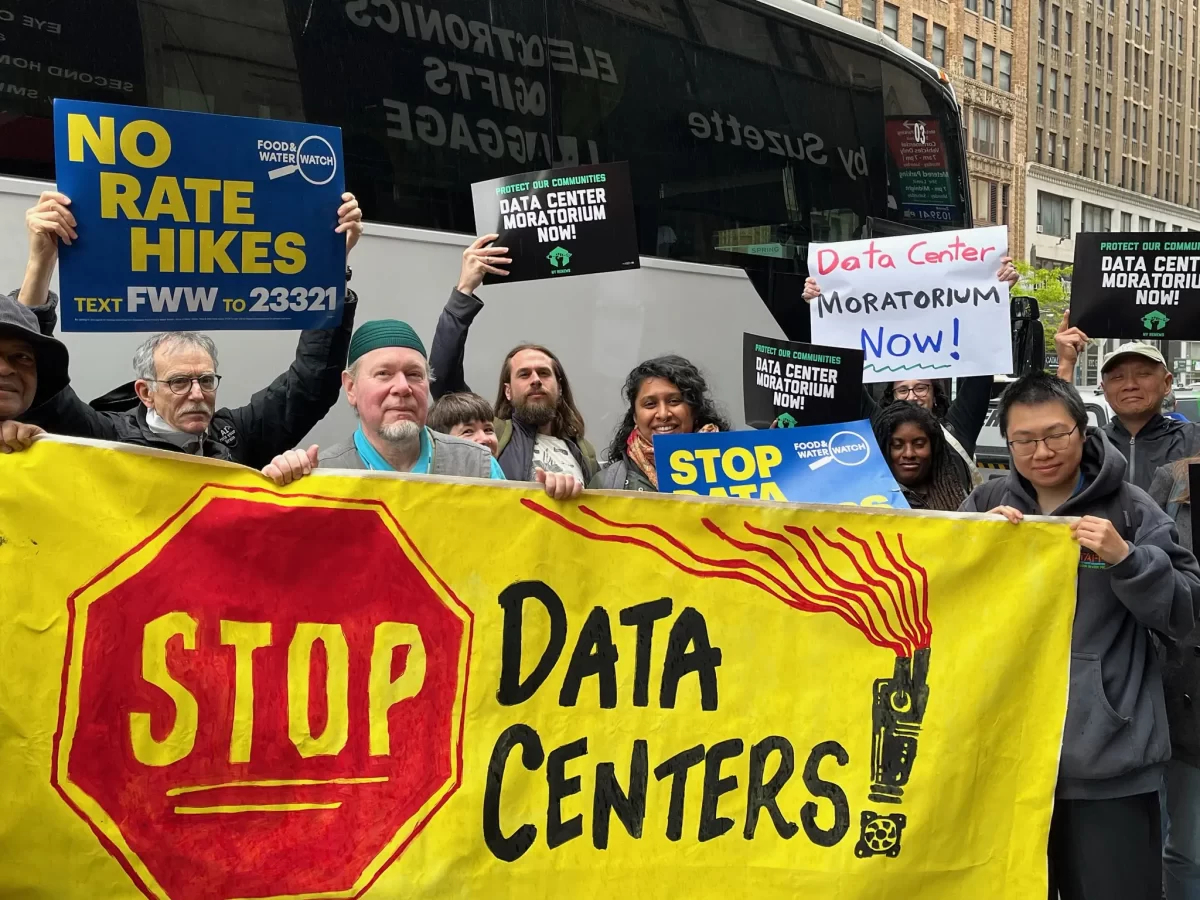
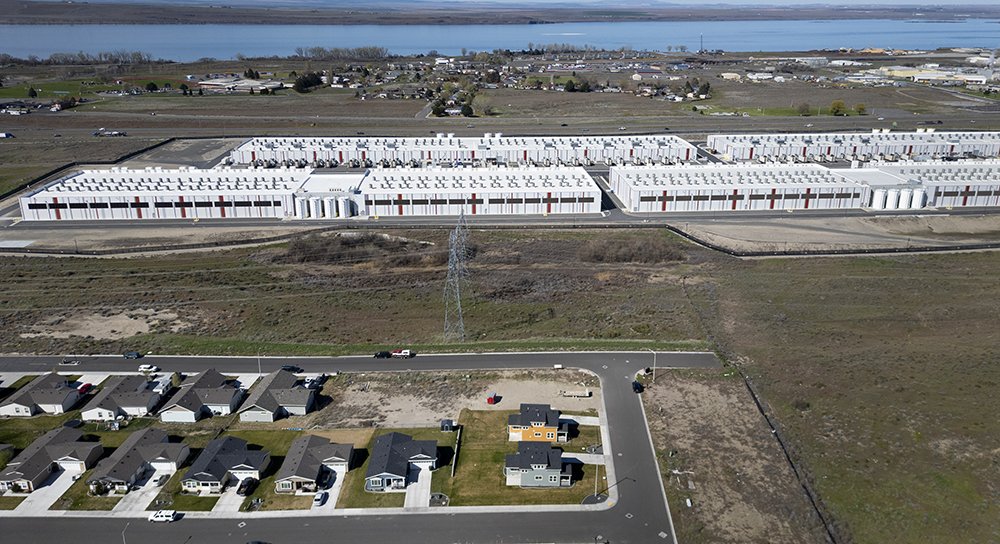
These findings are crucial for both climate activists and investors. Data centers have become a focal point of public outrage not just for AI, but in terms of climate policy worldwide. Unlike abstract metrics like ‘parts per million of carbon dioxide,’ each data center is directly visible. It requires a planning application, a zoning decision, a water permit, and elected officials who want to approve or deny it. These local decisions create concrete opportunities for organizing.
The campaign to stop data centers in the US has gained significant momentum. The New York State Assembly recently passed a bill that could become the country’s first statewide moratorium. Seattle became the largest US city to enact a moratorium after residents sent over 96,000 emails to the City Council. And over 500 organizations in 47 states have joined the ‘Stop Data Center Coalition.’
“The data center concern is mobilizing people who have never taken a public stance on any issue before,” Deia Shideler of the Center for Biological Diversity told the media outlet Waging Nonviolence last June. “They are willing to take a stand on this.”
But the campaign is spreading far beyond the US. In fact, its clearest victory to date came in a Dutch city that few outside the Netherlands had heard of before 2021.
- The Zeewolde Example
In February 2021, Meta proposed building a 200-megawatt ‘hyperscale’ data center on 410 acres of agricultural land outside Zeewolde, a city of over 22,000 people. It would consume at least twice as much electricity as the entire city. Local residents, farmers, and Extinction Rebellion activists objected not only to the project’s size but also to its secrecy. Officials had spent two years negotiating with Meta while keeping the company’s identity secret. Many residents felt that rare renewable energy was being handed over to a foreign corporation for minimal local benefit.
The campaign worked on two fronts simultaneously. Locally, they posted flyers in town halls, collected resident signatures, and engaged in nonviolent direct action. Days before a December vote, 20 Extinction Rebellion activists occupied the public hall of the council building with a banner reading ‘We want Greta, not Meta’ until police removed them.
Nationally, allies in The Hague were applying pressure differently. Some of the land Meta needed was state-owned. Ministers were urged to use that authority by introducing motions in both houses of Parliament.

When the council approved the project in December 2021, activists lost the first vote. But they won almost everything that followed. Within months, the Dutch government imposed a moratorium on new hyperscale construction. Local elections gave the anti-data center ‘Leafde voor Zeewolde Party’ a majority on the council. The Dutch Senate blocked the sale of state land needed by Meta. By July 2022, the company abandoned the project. The Netherlands then limited hyperscale facilities over 70 megawatts to only two designated locations.
Zeewolde was a single project fight. But in Ireland, the battle was against an entire tech industry that began aggressive expansion in the 2010s. There, opposition to data centers also began early and was initially successful. In 2018, objectors forced Apple to cancel a $1 billion project in Athenry after taking the planning process all the way to Ireland’s Supreme Court.
The government’s response was to further support the tech sector by creating legislation to fast-track large applications, bypassing local councils. Data centers kept coming. Organizers formed a real coalition around a bill to impose a moratorium in the lower house of Ireland’s parliament, the Dáil.
But when the moratorium came into effect in 2021, it was imposed by the grid operator. Fearing blackouts, the grid operator stopped granting new connections around Dublin. No one voted for this, and when it expired in December 2025, there was no political victory to defend it. Friends of the Irish Environment, Friends of the Earth Ireland, and ClientEarth are now going to court to overturn the new rules. Data centers consumed 23 percent of Ireland’s electricity last year, up from just five percent a decade ago. By 2034, this is projected to reach 31 percent.
Zeewolde’s victory was written into national law by a parliament won by a grassroots campaign. Ireland’s pause, however, came as an engineering decision and went just as easily.
- A Global Campaign
Outside Europe and the US, the biggest conflicts are often over water.
In Santiago, Chile, community opposition in 2024 forced Google to review its plans. This came after a court ruled that Google’s proposed Cerrillos district data center did not adequately consider climate change when assessing its impact on the city’s already dwindling groundwater reserves. In the same year, residents blocked Google’s second project in nearby Quilicura.
“We don’t need more data centers stealing our water here, so that people in the Global North can make fun pictures on AI,” Tania Rodríguez, founder of the Chilean water rights group Modatuc, told Time magazine.
In neighboring Uruguay, activists went to court in 2022 to find out what Google’s plans were. They discovered that the proposed cooling system would use 2 million gallons of drinking water per day from an already stressed source. As the campaign put it, “It’s not drought, it’s plunder.” The project only moved forward after Google finally agreed to reduce its size and not use water for cooling.
The campaign is spreading. In Australia, Greenpeace is calling for a moratorium, while community groups like Tomorrow Movement are organizing against large projects in Western Sydney. In France, data centers have become a major issue in municipal election campaigns. Across Africa, where at least 11 governments have spent over $2 billion on AI-driven surveillance systems (including CCTV, license-plate readers, facial recognition, and the command centers that link them all), AI infrastructure raises concerns about energy consumption as much as surveillance. Abeba Birhane’s concept of ‘algorithmic colonialism’ names a familiar pattern of exploitation and unequal power, which is particularly concerning in authoritarian contexts.
The climate movement has spent decades searching for an issue that is local, immediate, winnable, and has broad political appeal. Data centers may prove to be exactly that. Communities have shown these fights can be won. So how can others do it? And will this campaign have the resources to fight the most well-funded industry in history?
- How to Fight Data Centers?
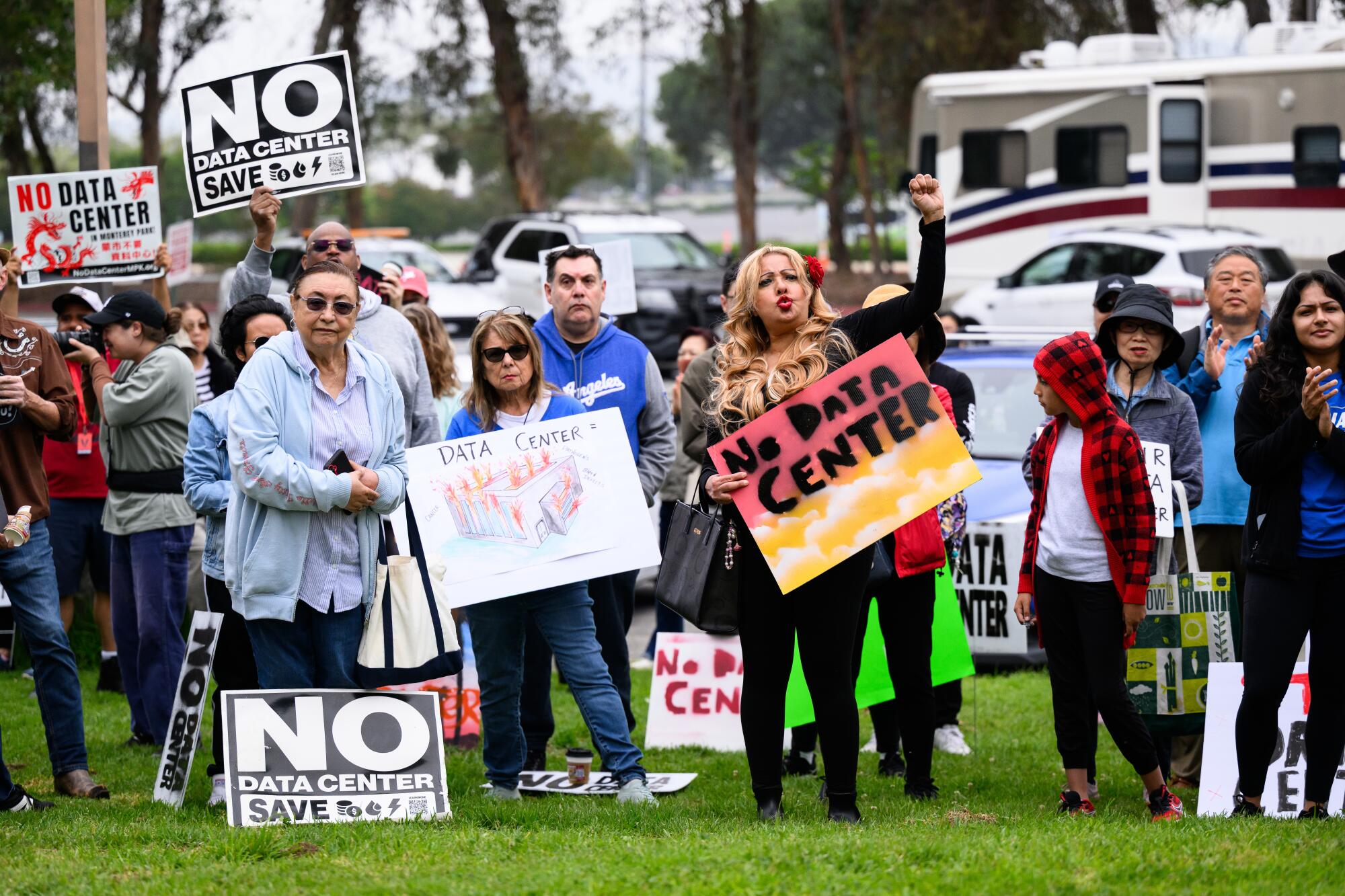
Most of the thousands of people who have stepped up to fight AI data centers in the US and around the world are not lawyers or politicians. Most are ordinary people using the skills they have to stop injustice in their communities. In central Oregon, farmers have held tractor parades to town hall meetings in protest; in Maryland, a concerned beauty parlor employee quit her job to lead a successful fight for a moratorium; and in Apex, North Carolina, an unlikely coalition of teachers, parents, and IT professionals came together to defeat an AI data center. These are people building power with their neighbors, using their skills and everyday knowledge, and you can too.
1. Find out what they aren’t telling you
Almost every successful campaign starts with research.
Companies routinely announce projects as investments, jobs, and innovation, but leave crucial questions unanswered. They use shell companies, non-disclosure agreements (NDAs), or opaque planning processes to hide details, and the most important information is often what is being hidden.
How many permanent jobs will the facility actually create? What does it mean for electricity prices and grid reliability? Where does the water come from, and where does it go? What subsidies or tax breaks are being offered? What noise, air, and light pollution will nearby residents face?
Residents can find answers to these questions by searching online, poring over planning applications, filing public records requests, talking to people fighting similar companies, and examining zoning documents. This work requires determination more than specialized skills, and you already have the tools you need. Where new projects arise, organizers have recently published a practical guide through ‘The Commons Social Change Library.’
And doing this work inspires others to join and help. We can all contribute something, even if it’s just cooking meals for people searching online: anyone can fight, and anyone can win.
2. Build the broadest possible coalition
The most successful aspect of this organic movement has been the ability of groups to focus on shared goals rather than differences. The majority of Americans oppose AI data centers. Time and again, neighbors with different politics, beliefs, professions, and class backgrounds have united because they agree on one thing: they don’t want AI data centers in their communities. Conservatives and progressives find themselves making the same arguments at the same council meetings.
This breadth is truly significant. Tech companies often expect opposition from ‘the usual suspects’ and have prepared arguments for them. But they are far less prepared to counter church groups, local businesses, sports clubs, zoo employees, neighborhood improvement associations, and concerned residents who have never attended a public meeting before.
3. Understand what a win looks like
Once some information is gathered and a group of people is united, much larger resistance is possible. When people realize they are behind in the fight against big tech companies, moratoriums become popular as a way to buy time. Some analysts complain that this is not a complete solution, and it is not—a moratorium is not a revolutionary step, it simply means a pause to regroup because we are fighting the wealthiest companies in history. Slowing down the process is part of achieving a larger victory.
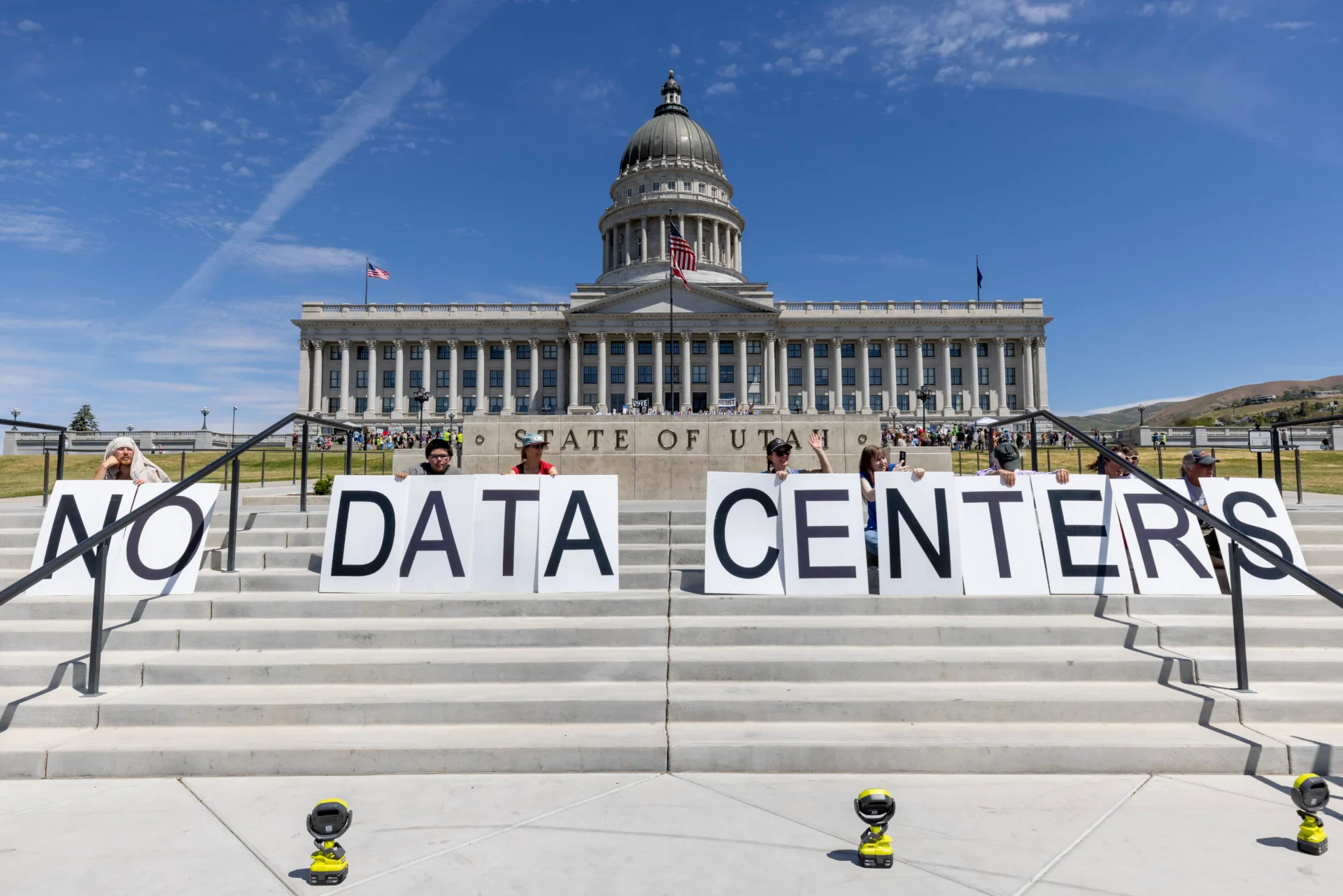
Because of power imbalances and lax regulations for big companies, the two most common wins today are reactive: stopping individual data center projects and succeeding in enacting moratoriums or pauses. Neither is perfect, but both can serve as building blocks toward greater transparency, stricter regulation, and ultimately, alternatives that communities actually want, which also create jobs. Ultimately, one reason data centers are so reviled is that they impose so many costs—from growing public health risks to expensive and dangerous pollution—onto the public.
Understanding those trade-offs and moving the conversation toward investing in things we actually want and need, like public libraries, skate parks, and safe bike lanes, which also create jobs, is the win. When students, environmentalists, and neighbors came together to defeat a data center in New Brunswick, New Jersey, local officials immediately chose an alternative and moved forward with plans to build a public park instead. The alternative to a scary box full of wires and chips is more shade, more trees, and places to gather and exercise.
- Raising Resources for the Fight
As we’ve already said, this volunteer movement against AI data centers is one where anyone can fight and anyone can win, and such movements often spring up and grow on their own. However, some of the best and most successful movements throughout history—from the US Civil Rights Movement to the Indian independence movement—were resourced early in their development. Such a flow of funds helps movements scale beyond local fights into more unified, strategic, national, or global campaigns.
However, investors are often the last to arrive at movements. They join an issue only after it has become popular. This delay is structural: philanthropies give grants to registered organizations, but the most effective groups in these critical times often lack official names, let alone professional grant writers or legal registration. Often, they start from a WhatsApp group, a church hall meeting, or a temporary coalition of neighbors. By the time the grant cycle catches up with the movement, the time for legal action has passed.
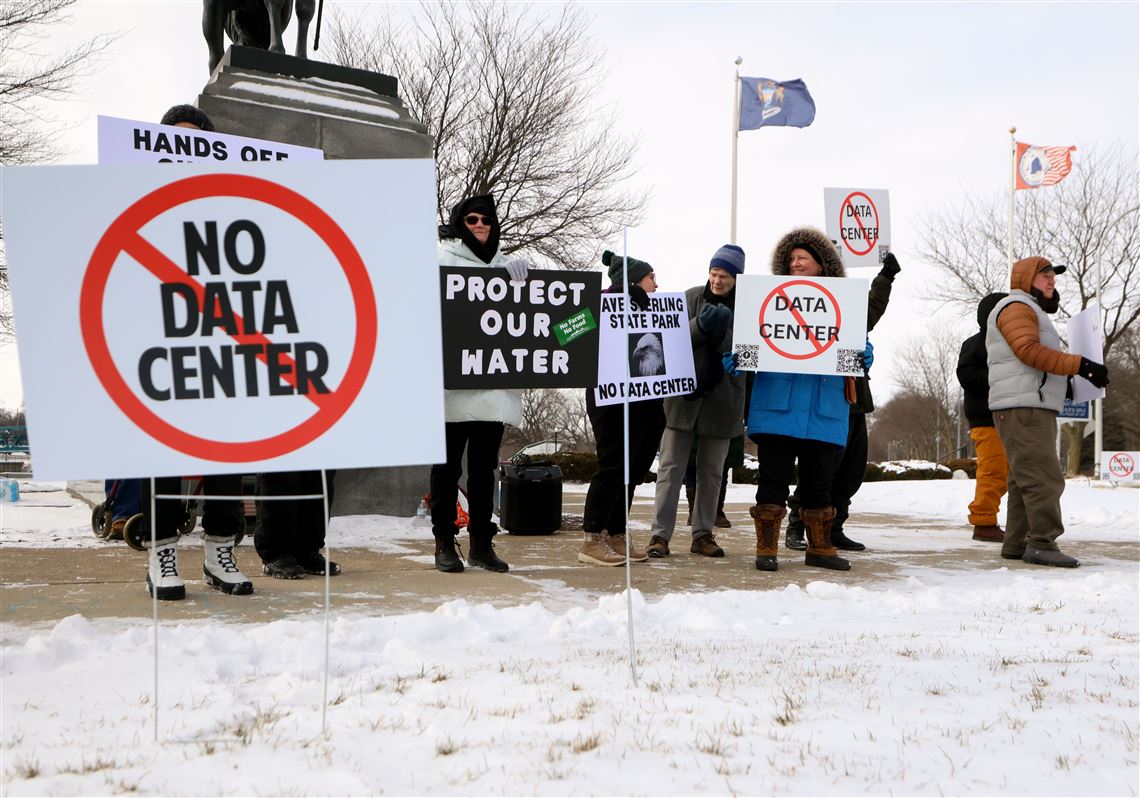
The data center movement is exactly at that point today. Across the US—and increasingly around the world—the movement against data centers has energy and is gaining momentum. They often lack what they need to scale: organizing staff, legal support, trainers, and networks that allow communities to learn from each other instead of starting every campaign from scratch. Foundations can step up now to ensure this fight moves beyond local wins.
There is a good reason to invest early. Some of the most successful environmental campaigns of the past two decades—from the movement against fracking to the coalition that helped secure the Inflation Reduction Act—were bolstered by philanthropic support before victory was assured. Early funding helped organizers build sustainable networks rather than just reacting to the next crisis.
It is for this reason that the Climate Emergency Fund has dedicated more than a third of its 2026 grants to groups organizing around data centers and AI, sometimes even before those groups have names. This works as venture philanthropy: invest fast, move fast, and stay close to the communities that are doing the work. As resistance to AI infrastructure grows globally, we have already seen requests for funding come in from four continents.
Many investors tell me they want to focus on livelihoods, democratic resilience, or climate. The fight over AI infrastructure sits at the intersection of all three. It is tied to rising electricity bills, deals behind non-disclosure agreements (NDAs), and the fossil fuel infrastructure that props up industry growth.
AI is often presented as inevitable. But the infrastructure behind it still depends on local planning decisions, water supply, electricity grids, and politics. Those decisions can still be questioned. Zeewolde, Cerrillos, New Brunswick—all were stopped by committed groups of ordinary people who found out in time, showed up, and persisted. For the climate movement, in search of local, visible, and winnable campaigns, this could be a once-in-a-lifetime opportunity.
This specific news has been automatically translated by AI. As a result, there may be some inaccuracies or language errors.