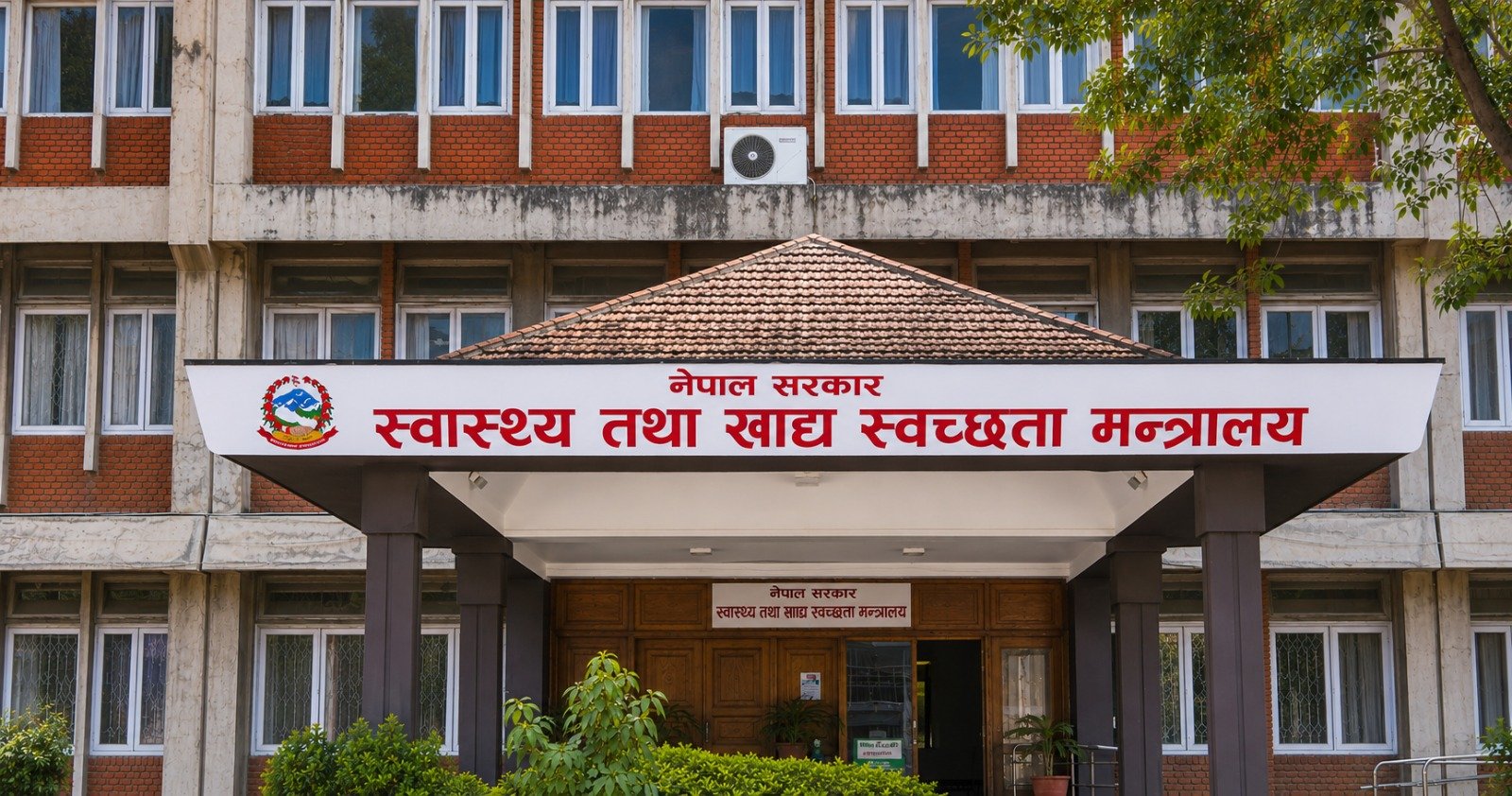
Bhutwal Agricultural Produce Wholesale Market Center Tested Over 3100 Vegetable and Fruit Samples in One Year


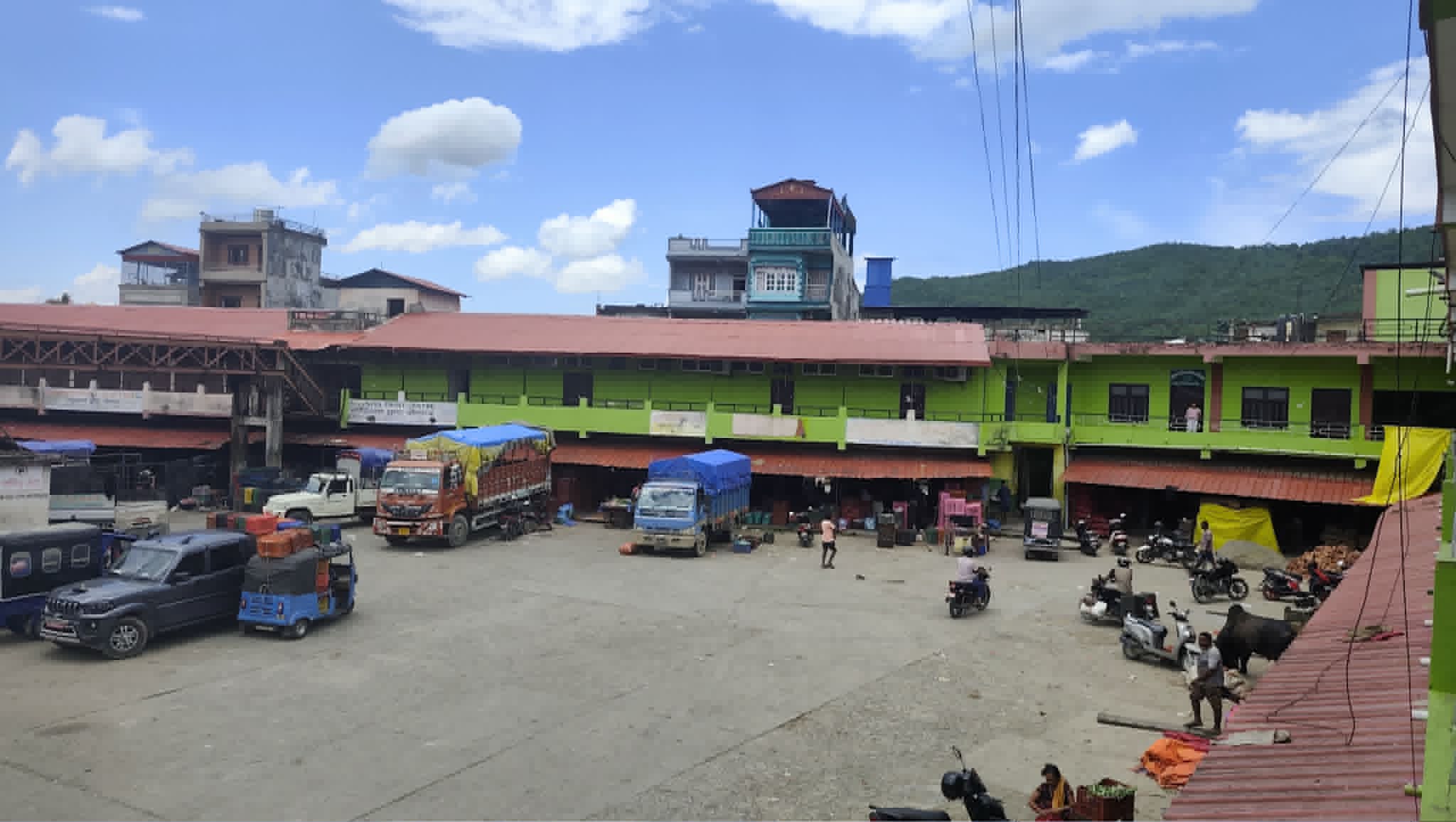
Butwal. In one year, more than 3100 vegetable and fruit samples have been tested at the Butwal Agricultural Produce Wholesale Market Center. Nine types of vegetables with high levels of pesticides were destroyed during the testing.
During this period, vegetables with pesticide residues were kept in quarantine 11 times. Vegetables kept in quarantine are kept under technical supervision for three to four days depending on their condition.
The Pesticide Residue Rapid Analysis Laboratory Butwal stated that from Shrawan 1, 2082 to Asar 32, 2083, 3,001 vegetable samples and 99 fruit samples were tested at the Butwal Agricultural Produce Wholesale Market Center located in Butwal Sub-Metropolitan City-6.
According to the laboratory, among the tested samples, 2,961 were regular samples and 139 were suspicious samples. Samples are collected and tested every morning for pesticide residue testing in vegetables and fruits.
According to Rajiv Bhandari, Deputy Technical Assistant at the laboratory, nine times vegetables were found unfit for consumption and destroyed during the daily sample collection and testing over a year. He told Ratopati that 2,200 kilograms of vegetables were kept in quarantine 11 times.
“Generally, if pesticide use is suspected or detected through testing, vegetables are kept in quarantine for three to four days depending on their condition,” Bhandari said.
Vegetables and fruits come to the Butwal Agricultural Produce Wholesale Market Center from various districts of Nepal, as well as from India and to some extent from China. Wholesalers transport vegetables and fruits from here to Chitwan, Syangja, Baglung, Dang, Rolpa, Rukum, Surkhet, and Dhangadhi.
Which vegetables were found to have pesticides?
According to laboratory technician Rajiv Bhandari, cauliflower and broccoli produced in Marchwar, Rupandehi were destroyed four times after pesticides were found. Similarly, mustard greens produced in Manpakadi, Rupandehi were destroyed twice.
Bhandari said that cucumber and tined beans brought from Chitwan, cauliflower brought from Makwanpur, and vegetables brought from Kapilvastu were also destroyed after being found unfit for consumption after testing. During this period, samples of agricultural produce brought from 27 districts of Nepal, including fruits and vegetables from India and China, were tested.
During testing, vegetables produced in Rupandehi were destroyed 6 times. Similarly, vegetables brought from Chitwan were destroyed twice, and vegetables brought from Makwanpur and Kapilvastu were destroyed once each. Cucumbers brought from India were also kept in quarantine once.
Similarly, vegetables and fruits that are immediately unfit for consumption due to pesticide residues are kept under technical supervision for three to four days. In the last year, agricultural produce brought from farmers has been kept in quarantine 11 times.
Agricultural produce kept in quarantine include vegetables from Rupandehi, Chitwan, Dhading, Salyan, and Bara districts, as well as bananas brought from India. During this process, chili, cucumber, bitter gourd, cauliflower, sponge gourd, and mustard greens were kept in quarantine, according to the laboratory.
Technical assistant Bhandari stated that the total quantity of agricultural produce kept in quarantine is approximately 2,200 kilograms. District-wise, vegetables brought from Rupandehi were kept in quarantine four times. Vegetables brought from Chitwan were kept twice, vegetables from Dhading twice, and vegetables from Salyan once.
The laboratory stated that samples of vegetables and fruits coming to the market are tested, and if the pesticide levels are high, they are destroyed, and if they are immediately unfit for consumption but can be made edible after some time, they are kept in quarantine and re-tested.
What action is taken?
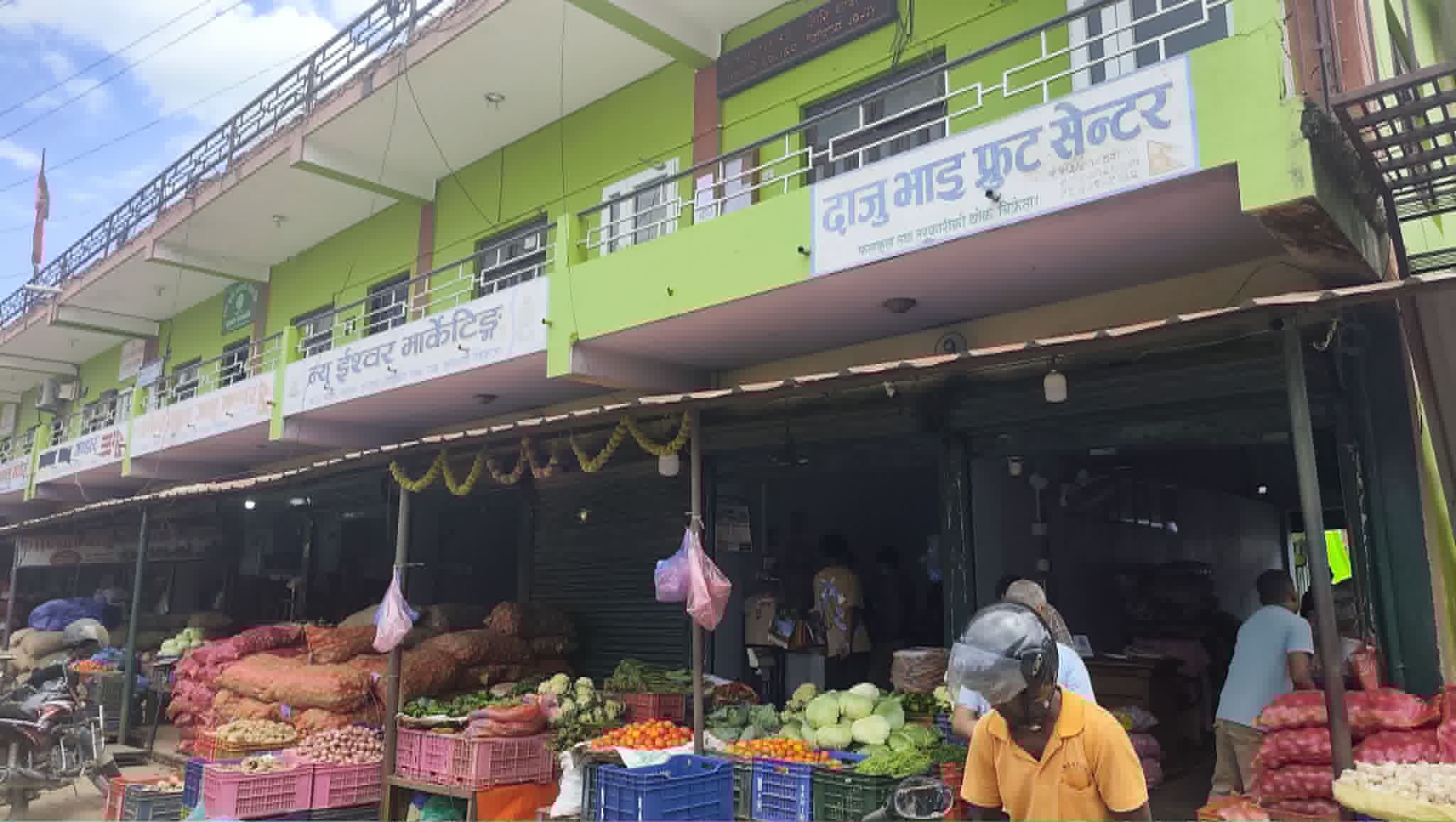
If pesticide residues are found in vegetables and fruits coming to the Butwal Agricultural Produce Wholesale Market Center, action will be taken according to the directive on pesticide residues.
If pesticide levels are found to be high during testing, farmers or traders are verbally warned for the first time. Agricultural produce found unfit for consumption is destroyed, while produce that becomes fit for consumption after being kept in quarantine for a certain period is allowed for reuse.
If pesticide levels are found to be high in the agricultural produce of the same farmer or trader for the second time, they are given a written warning. Rajiv Bhandari, Deputy Technical Assistant at the Pesticide Residue Rapid Analysis Laboratory, stated that there is a provision for punishment and fines if the situation repeats for the third time.
However, he said that in the last year, there has been no instance where pesticides were found in the agricultural produce of the same farmer or trader for the third time. Therefore, no one has been punished or fined during this period.
A large quantity of vegetables and fruits arrive at the Butwal Agricultural Produce Wholesale Market Center daily. The laboratory stated that samples are regularly collected from this produce and tested.
Businesses Demand Testing at Production Site
Bhojit Shah, former president of the Lumbini Fruit and Vegetable Traders Association, has demanded that pesticide testing of fruits and vegetables should be done at the production site, not at the sales center.
He said that the effect of pesticides on fruits and vegetables coming from India might have significantly reduced by the time they reach Butwal. He claims that generally, agricultural produce becomes fit for consumption a few days after pesticide use, so when fruits and vegetables from India are tested in Butwal, no pesticides are detected.
“Instead of bringing vegetables from districts like Palpa and Salyan to Butwal for testing, the concerned local government should arrange for testing at the production site and send them,” Shah said.
According to him, it takes 10-11 AM for the sample collection and test report to arrive at the Butwal Agricultural Produce Wholesale Market Center. By that time, some of the vegetables that have arrived in the market are already purchased and consumed by consumers, hence the need to make the testing system effective at the production site, he stated.
This specific news has been automatically translated by AI. As a result, there may be some inaccuracies or language errors.




_3t4V8H4io0.jpg)