Sri Lanka Faces Largest Dengue Outbreak in a Decade, Deploys Drones and Military

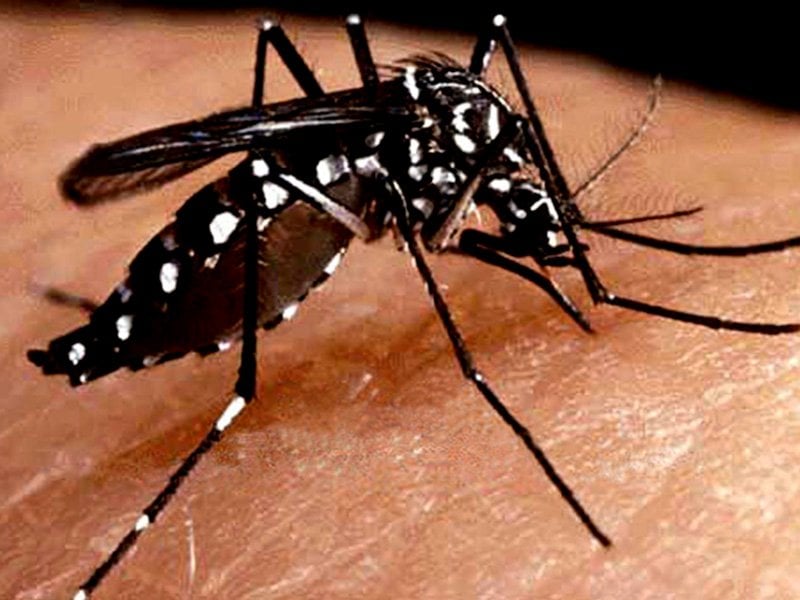
Colombo. Sri Lanka is facing its largest dengue outbreak in nearly a decade. Public health agencies and hospitals have begun enlisting the help of the armed forces, including drones from the air force, to control the spread of the disease.
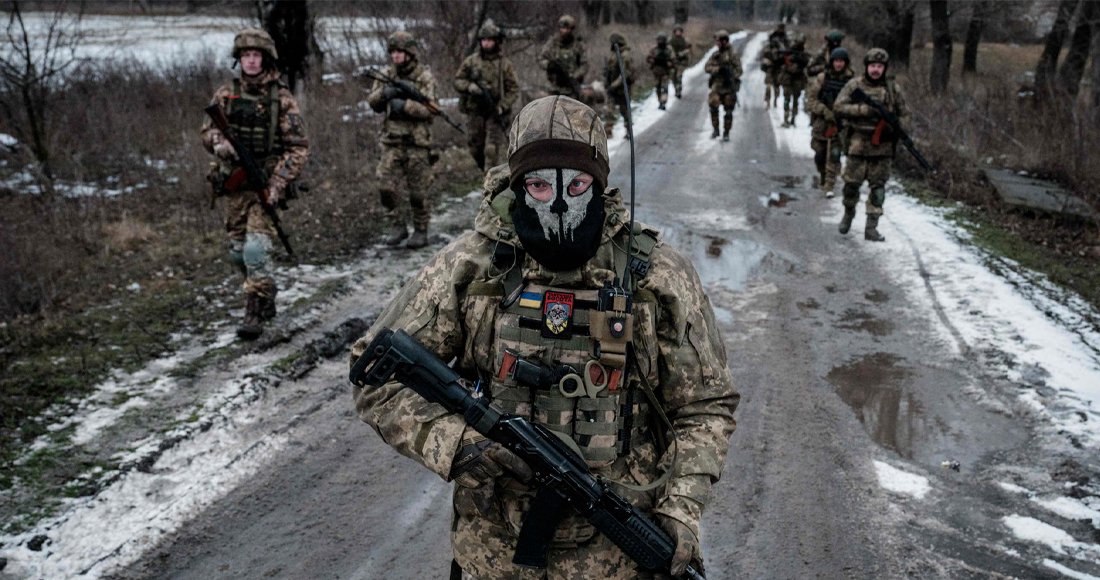
The air force is using drones to identify stagnant water on rooftops following monsoon rains. Additionally, teams from the army and police are conducting inspections of homes, construction sites, and schools, and are engaged in an operation to destroy mosquito breeding grounds.
This year, from January to date, 53 people have died from dengue, and 76,044 have been infected. The number of infected individuals is nearing the outbreak seen in 2017, which had over one lakh infected, due to a new, highly contagious strain of dengue. Negombo, an area about 35 kilometers north of Colombo, is among the most affected regions.
Hospitals are under immense pressure due to the extremely rapid increase in the number of patients. According to him, in less than two months since June, approximately 1,800 dengue patients have sought treatment at Negombo District Hospital alone. Last year, during the same period, this number was around 1,050. However, the number of infected individuals surged sharply in July.
According to health officials, more than 18,000 new infections were added in the first two weeks of July alone. In June, 21,537 people tested positive for the infection, which is more than double compared to May. Common symptoms of dengue include high fever, body aches, and loss of appetite. Sri Lanka has not yet introduced a dengue vaccine for national use.
According to Kapila Kannangara, acting Director General of the National Dengue Control Unit, approximately 75 percent of the infected individuals have been found to have the DEN-2 strain of the virus, which is considered more fatal and is spreading the infection rapidly. Last November, a powerful cyclone caused significant damage to Sri Lanka's health infrastructure. Following this, the current dengue outbreak has created further pressure on hospitals. To manage the patient load, hospitals have added new beds, designated some wards for dengue treatment, and extended the working hours of doctors and nurses.
The government is conducting extensive sanitation campaigns in the most affected areas. Air force drones are identifying stagnant water on rooftops and other high-risk areas. Drone technology is also being used to monitor patients in some government hospitals. This month alone, approximately 11,000 mosquito breeding sites have been destroyed, and over 4,000 houses and buildings where such sites were found have been fined, the Ministry of Health stated.
Due to extreme overcrowding in hospitals, doctors have advised patients with mild symptoms to rest and recuperate at home. Shalini Aloy Perera, 23, stated that doctors advised her to receive treatment at home as her platelet count had not dropped significantly. According to her, it was deemed appropriate to receive treatment at home due to the overwhelming number of patients in the hospital.
Health officials are also considering the use of a dengue vaccine. However, experts have warned that the vaccine's effectiveness may be limited due to the presence of multiple active virus strains. Doctors estimate that the infection may decrease slightly in August as the monsoon weakens. However, there is a warning that dengue infections could rise again after the second monsoon begins in November.
This specific news has been automatically translated by AI. As a result, there may be some inaccuracies or language errors.