Spain Wins Second FIFA World Cup Title After Defeating Argentina

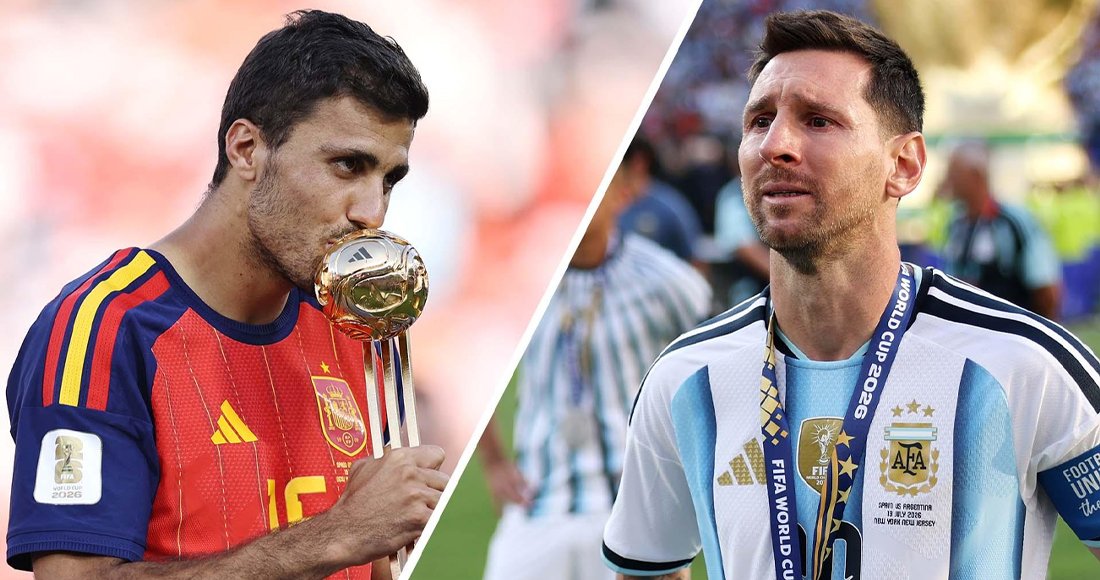
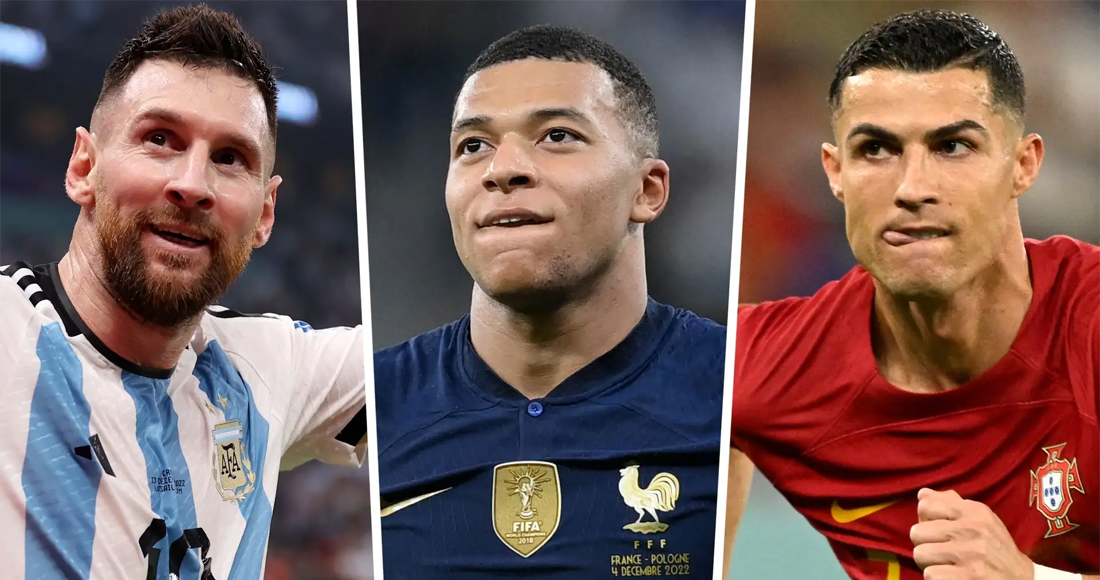
New York. Spain has won the men's football World Cup for the second time, defeating Argentina 1-0 in extra time of a dull and somewhat disappointing World Cup final. The only goal of the game was scored by Ferran Torres. He finally broke through Argentina's tough challenge, who were reduced to 10 players. European champions Spain created more and better chances than the then world champions Argentina throughout the game. On the other hand, Argentina's game was largely defensive and aimed at disrupting the pace of the game. Just before the start of extra time, Enzo Fernandez received a red card, forcing Argentina to play with 10 men. In the 106th minute of the game, Ferran Torres, controlling a header from substitute Nico Williams, struck powerfully from close range. Argentina's goalkeeper Emiliano Martinez could not stop it. This goal was enough to make Spain world champions. However, according to analysts, this much-anticipated final was not as exciting as expected. Due to constant interruptions and hard struggles, the game became tedious rather than exciting. Outside the stadium, the World Cup atmosphere was completely different. Before the game started, US President Donald Trump arrived in New Jersey with a convoy of helicopters. Similarly, Shakira, Madonna, and Justin Bieber performed musically during the halftime of the World Cup, the first in World Cup history. For this reason, the halftime was 27 minutes long instead of the usual 15 minutes. What kind of game did Spain play? The game could not find its rhythm in the first half. Spain's Lamine Yamal and Mikel Oyarzabal severely tested Argentina's goalkeeper Martinez. Martinez made excellent saves on both occasions. Spain's players continuously expressed dissatisfaction with referee Slavko Vinčić's decisions. In particular, Spain's players were upset when Alexis Mac Allister's late tackle on Dani Olmo was not immediately carded. Lisandro Martinez received the first yellow card of the game in the 40th minute. He received the card for tripping Mikel Oyarzabal. However, he had to leave the field due to injury shortly after. The game became more tense in injury time. Enzo Fernandez, who had already received a yellow card, made a dangerous tackle on Spanish defender Pau Cubarsí. After this, he was sent off after receiving a second yellow card. Emiliano Martinez proved to be Argentina's biggest defender. He saved Lamine Yamal's free-kick brilliantly in the final moments of regulation time, taking the game into extra time. He also beautifully saved Nico Williams' header in extra time. Williams also scored a goal then. But the goal was disallowed because substitute Mikel Merino fouled Nicolas Otamendi. Argentina had made excellent comebacks from behind against Egypt and England in the knockout stages to win. But they could not do so in the final. Spain, with a 1-0 victory, named the men's World Cup trophy for the second time after 16 years. With this victory, Spain has also made history. Spain has become the first country in the world to hold both the men's and women's football World Cup titles simultaneously. 5 main reasons for Argentina's defeat 1. Over-reliance on Lionel Messi Spain surprisingly kept Lionel Messi completely quiet in the final. The Argentine captain, who had scored eight goals in the tournament before the final, could not score in this game. Not only that, Messi, who is adept at dribbling past opponents, had only a normal passing level. If this was the last World Cup match of the great player Lionel Messi's career, it ended with the disappointment of defending champions Argentina losing the title and Messi failing to make an impact on the game. Although Messi's magic was evident in other games of the tournament, Spain kept a close watch on him in the final. He only managed one shot, which was not on target. 2. Team's Defensive Strategy Messi was not helped much by Argentina's strategy either. Instead of playing an attacking game, the team tried to disrupt Spain's game and frustrate them. Some say that Spain's winning margin could have been wider, as Spain squandered many easy chances. Argentina's goalkeeper Emiliano 'Dibu' Martinez proved to be the team's best player with many excellent saves. Facing Spain's constant attacks and extending the game to extra time can be considered Argentina's biggest achievement. Especially, it was not easy to maintain a draw until regulation time after being reduced to 10 players when Enzo Fernandez received a red card in the 93rd minute. Argentina also had a chance to snatch victory in the final moments of the game. There were two dangerous attacks led by Julián Simón. If there was luck in football, it was with Spain that day. One chance resulted in a corner, while another shot went wide of the goalpost. 3. Dominance of the Spanish Midfield Throughout the tournament, Spain's midfield controlled the pace of the game. They did not give the opposing team a chance to keep possession of the ball for a long time. Spain is already known for its fast passing, but their ball-winning and pressing ability in this tournament was equally impressive. In the title clash, Spain's players maintained control of the ball for most of the time on the field, preventing Argentina from finding their rhythm. 4. Being a Player Down In the third minute of injury time in the second half, Enzo Fernández deliberately fouled Pau Cubarsí. For this, he had to leave the field after receiving a second yellow card. After that, Argentina had to face Spain with 10 players. Playing with 10 players is difficult for any team. Moreover, it was even more difficult against the Spanish team, which had conceded only one goal throughout the tournament. In the sixth minute of the second half of extra time, Spain took advantage of their extra player. Ferran Torres was in the right place, where he had no difficulty in putting the ball into the goalpost. Besides this, Martinez had to leave the field due to injury at the end of the first half. Coach Lionel Scaloni then had to send in experienced defender Nicolás Otamendi. Otamendi had only played one match throughout the tournament, and that was in the group stage. 5. Spain Showed the Power of Collective Unity It is true that Spain does not have superstars like Kylian Mbappé, Lionel Messi, or Cristiano Ronaldo. But they have a team that plays collectively like an excellent machine. Mikel Oyarzabal's five goals, Rodri and Pedri's excellent playmaking, Marc Cucurella's passion, and Mikel Merino's excellent performance after coming on from the bench – looking at all this, it is very difficult to call any single player the best in this team. It is like a musical ensemble (orchestra) where every member plays their role excellently. Much of the credit for this success also goes to head coach Luis de la Fuente. Although he is not a coach who is much in the media spotlight, he refined the Spanish team, united them, and brought them back to the pinnacle of world football. De la Fuente took charge of the Spanish national team in 2022. In the World Cup held in Qatar that year, Spain was defeated by Morocco in the pre-quarterfinals in a penalty shootout. That loss was a big blow to the team.
This specific news has been automatically translated by AI. As a result, there may be some inaccuracies or language errors.