Doctors Advise on Salt Consumption: Quantity Over Type

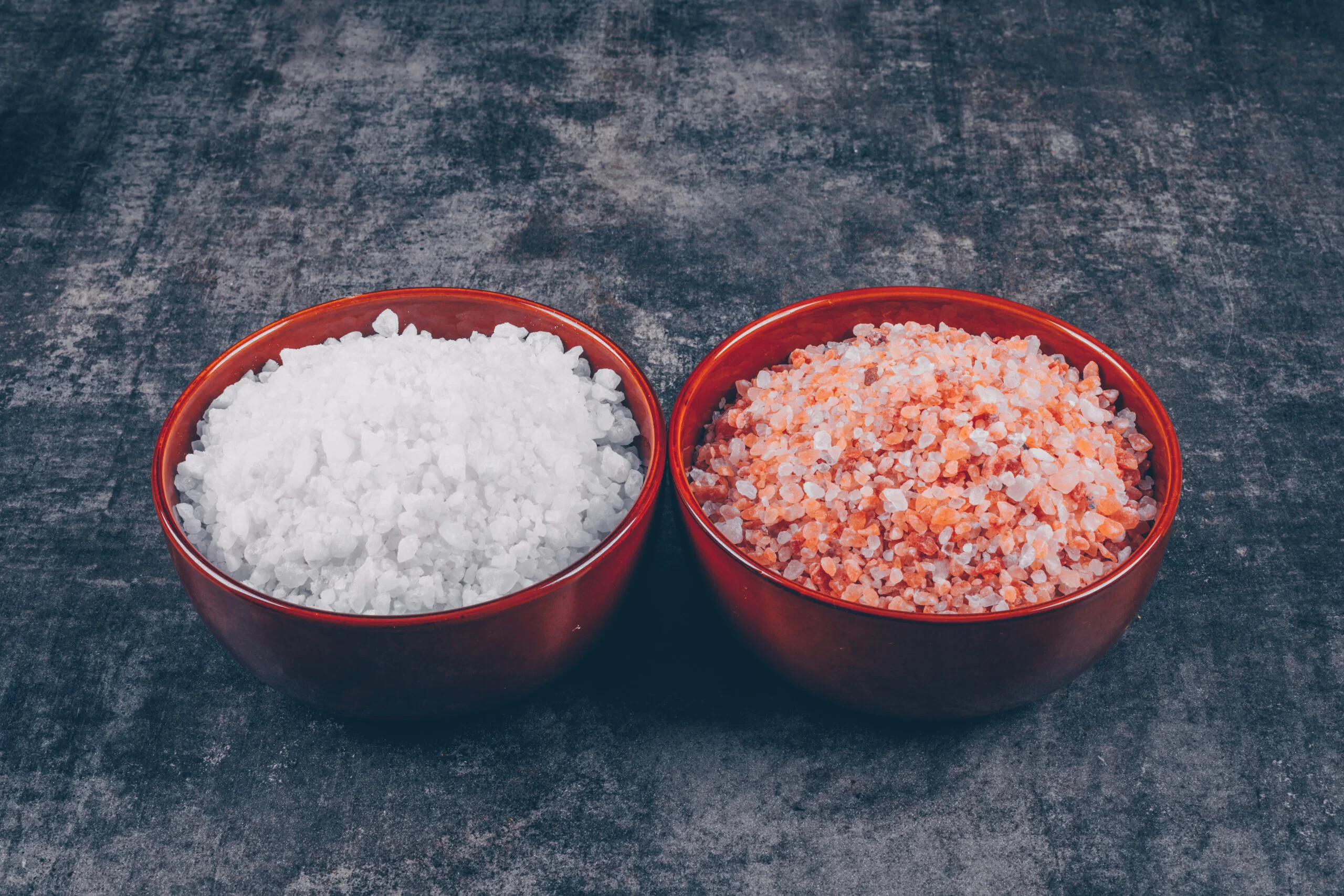
Kathmandu. The notion that rock salt (Sendha Namak) is healthier than white salt is prevalent among many people. However, doctors state that the quantity consumed is more important for health than the type of salt. White salt is processed and iodized. Iodine is an essential nutrient for thyroid gland function and brain development, particularly crucial for pregnant women and children. Sendha namak lacks iodine. While it contains some natural minerals, their quantity is very low, offering no significant health benefits, according to doctors. The primary chemical component of both Sendha namak and white salt is sodium chloride. Since Sendha namak is less salty, more is often used to achieve the desired taste, potentially increasing the total sodium intake in the body. Doctors recommend using iodized white salt in daily meals while controlling the quantity. They also advise minimizing the consumption of pickles, chutneys, sambar, and processed foods with high salt content. What is Sendha Namak? Sendha namak is also known as Himalayan rock salt or pink salt. It is generally sold in its natural, unprocessed form. However, doctors warn that relying solely on Sendha namak instead of white salt for extended periods can lead to iodine deficiency, increasing the risk of thyroid-related problems.(Disclaimer: This content, including advice, provides general information only. Always consult with a specialist or your doctor for more information.)
This specific news has been automatically translated by AI. As a result, there may be some inaccuracies or language errors.