DNA Analysis Reveals Ancient British Burial Was a Woman, Not a Man

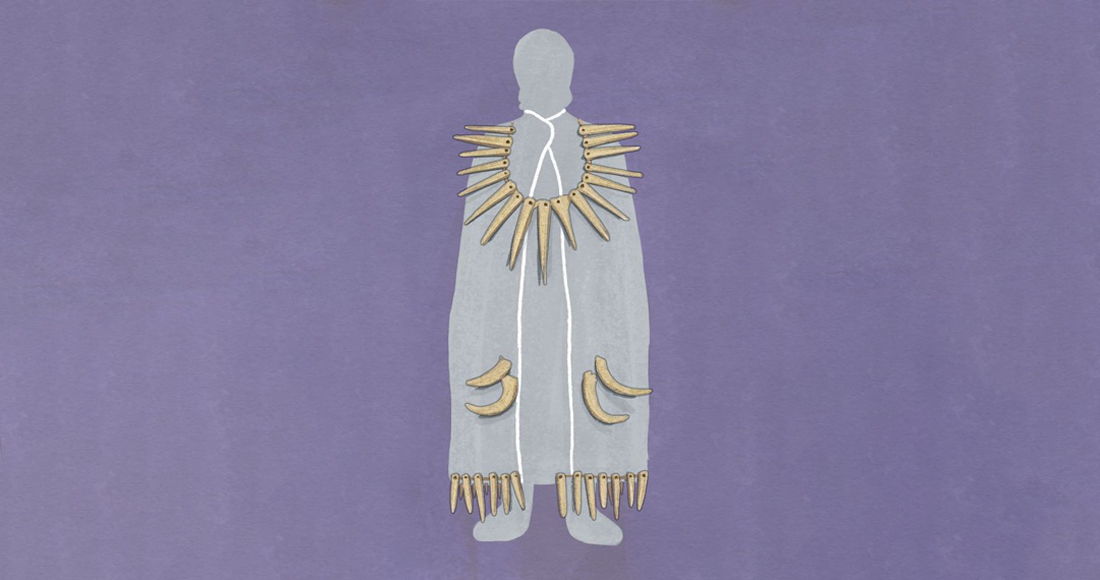
London. A skeleton buried in Britain about 4,000 years ago was long identified as a distinguished male metal craftsman and the 'Upton Lovell shaman'.
However, new DNA analysis has confirmed that the skeleton was not male but female. This has created a situation where the perception of ancient British society, which has existed for two centuries, needs to be reconsidered.
According to Tom Booth, a senior research scientist at the Francis Crick Institute in London, the 4,000-year-old skeleton was found inside a round barrow in Upton Lovell, southern England. Such tombs were usually used only for individuals of high status in society.
During the excavation of this tomb in the early 19th century, archaeologists found many rare items, including an axe, a gold necklace, and tools made of bone.
The presence of gold residue on the edge of the axe led to the assumption that the person was a skilled craftsman working with metals like copper and bronze along with gold. According to Booth, the person was placed in the grave with special honor along with their tools, indicating that they were highly respected in the community.
The number and variety of items found in the tomb make it one of the most unique tombs of the Bronze Age not only in Britain but in all of Europe. He said, 'There is no other tomb comparable in terms of the variety of items found in it.'
- Why was it thought to be male?
Based on the grandeur of the tomb and a general study of the bone structure, archaeologists concluded that the skeleton was male. Since DNA testing technology was not available at the time, this notion persisted for about two hundred years.
However, as part of the 'Ancient Human Genome Sequencing Project', Booth and his colleagues conducted DNA tests on the skeleton, and the results unexpectedly showed it was female.
Booth said, 'We did not expect such a result.' To confirm the results, he conducted tests on two more samples from the skeleton, and both confirmed that she was female.
According to him, this indicates that the person was likely a highly skilled female metal craftsman, possibly in gold work, and held high respect in society based on her own abilities and status.
- Challenging Old Notions About Women's Roles
This discovery also challenges the old notion that female burials found with valuable items in ancient societies were merely those of influential men's wives.
According to Booth, 'This shows that women could also be powerful and achieve special positions in their own right.'
- Why the Mistake in Identification?
According to Booth, the woman found in Upton Lovell was taller than the average woman of that time. She was about 5 feet 4 inches tall, which was similar to the average height of men in the Bronze Age.
Furthermore, she died at the age of about 45 and after menopause. Booth explained that as women age, their bones can start to resemble male bones, making it difficult to determine gender solely from bone structure.
- 'Shaman' or Metal Specialist?
The skeleton was named the 'Upton Lovell shaman' due to speculation that the items found in the tomb might be related to religious rituals or mystical practices.
However, according to Booth, metal production itself was a work of religious and cultural significance in the Bronze Age. He said, 'Metal production was deeply intertwined with the religious life and economic activities of people at that time.'
According to him, the woman may have been part of an important network of metal trade and exchange that spread across Europe at the time.
- Publicly Displayed in New Exhibition
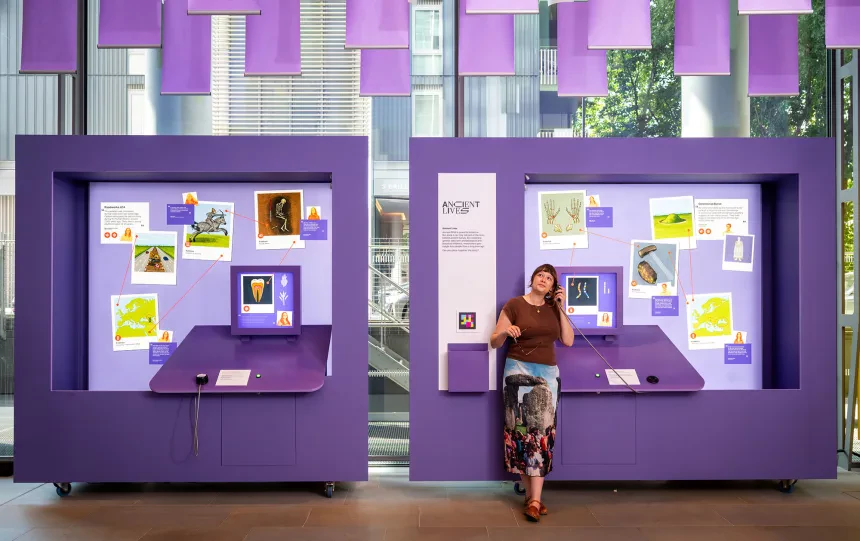
The results of this study have been included in the free exhibition titled 'We Go Way Back', which began on Thursday at the Francis Crick Institute. According to Pontus Skoglund, head of the Ancient Genomics Laboratory and population geneticist at the institute, this project, which involves sequencing the genomes of about a thousand ancient human remains, will significantly contribute to developing a deeper scientific understanding of past societies and the lives of their people.
He said, 'As we expand the publicly available ancient genetic record, it will provide a great foundation for archaeologists and other researchers to better understand past society.'
This specific news has been automatically translated by AI. As a result, there may be some inaccuracies or language errors.