Mahendra Bahadur Shahi Discusses Development and Political Role

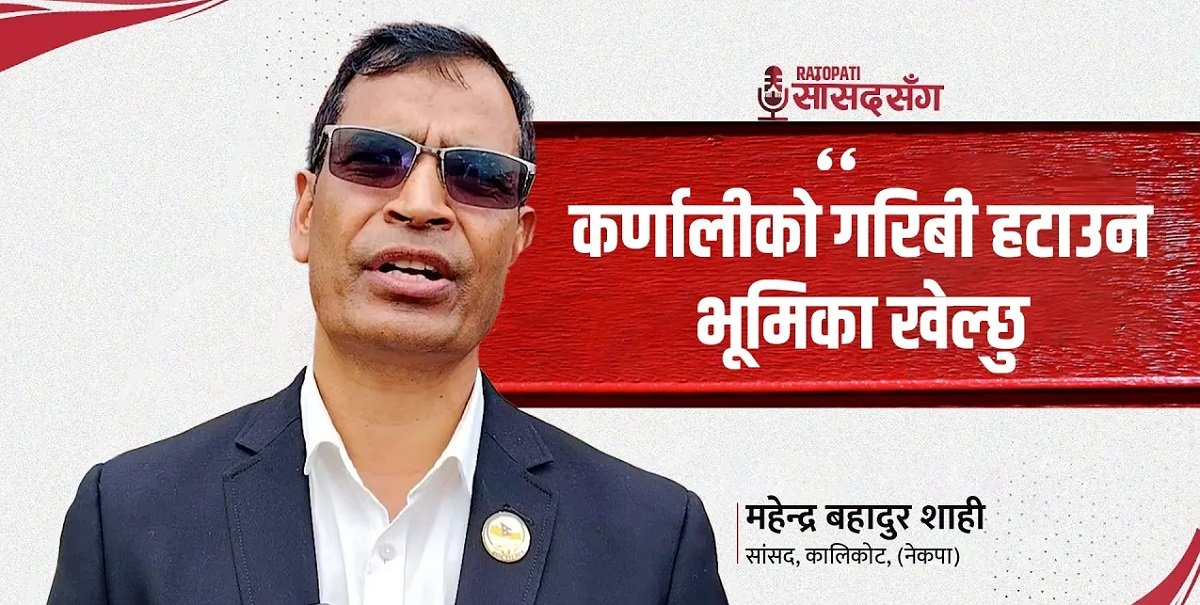
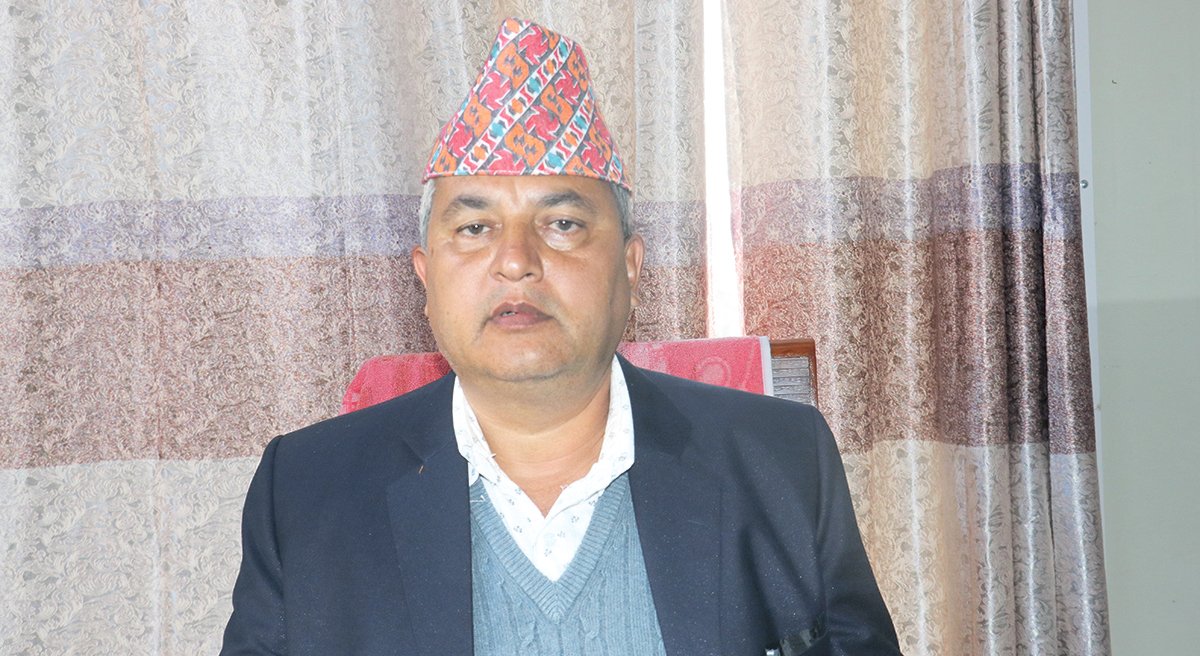
Mahendra Bahadur Shahi is the first Chief Minister of Karnali Province. Before that, he had also served as a minister at the federal level. He also played the role of Division Commander in the ten-year armed conflict waged by the then CPN (Maoist).
In the 2082 election, Shahi is one of the 7 people who won directly from the Communist Party of Nepal (CPN) in the federal parliament. This is a conversation with RatoPati for the 'Saansad Sangai' column with Shahi, who was elected by getting 11,734 votes from Kalikot district:
How many times have you visited Kalikot since winning the election?
After winning the last election, I have been there twice so far.
You became Chief Minister and then became a Member of Parliament again, why?
First of all, I was elected to the second Constituent Assembly because I had to play an important role in making the constitution of Nepal. After that, a new aspect of the structure for the implementation of the constitution was the province. I went to the province because I had to go to the province to make the new structure organized and effective. After that, I played a role in establishing Karnali Province.
We had prioritized three main tasks in Karnali. One was to establish administrative structures, which we did. Second, the necessary human resources, i.e., employees, required by the provincial government had to be recruited, which we also did. The third task was to create necessary laws and regulations, which we also did.
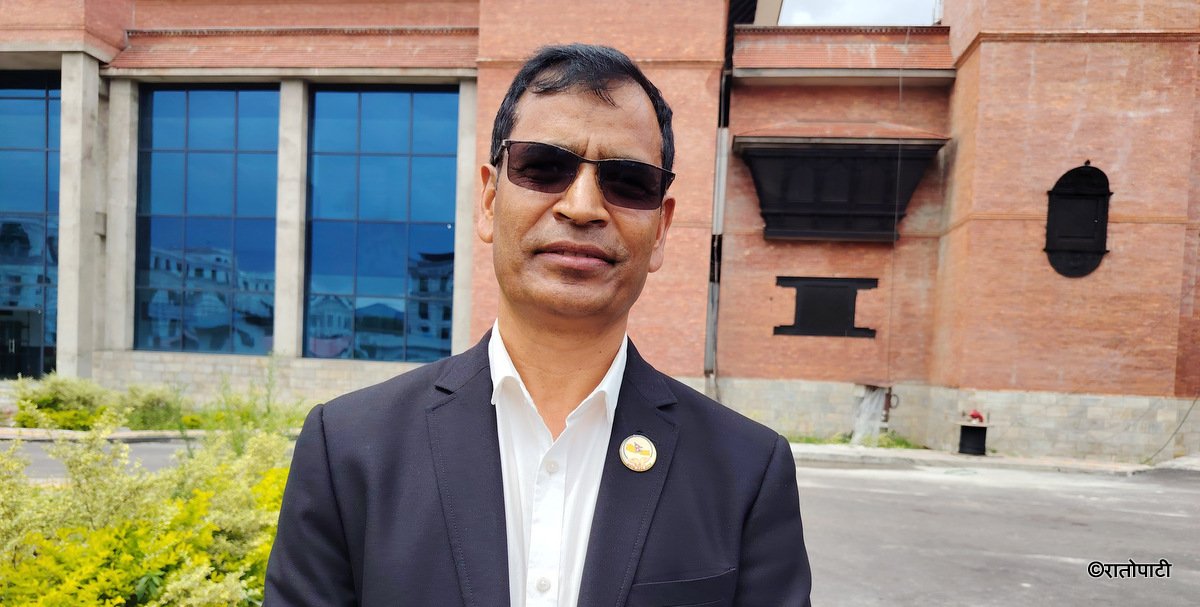
We have done a lot of work for the overall development, economic prosperity, social justice, and good governance of Karnali Province and have established the foundation of the province. After completing that work, I have returned to the federal parliament.
The main objective of coming to parliament is that the development of Karnali (including Kalikot district) is not possible without effective intervention from the federal government for its overall infrastructure development. The overall infrastructure development there is not possible with just the small budget of a municipality or province. Therefore, I have come to the federal level to play an interventionist role in infrastructure development.
The infrastructure development work done in Karnali Province is exemplary. Many works have been done, from roads in Surkhet to stadiums, provincial hospitals, schools, health, and roads. I have returned to complete these. Some of the work I started is incomplete, and the public has voted me in to complete them. The situation has changed a bit, and we are currently in the opposition.
We are in a position to raise our voice rather than deliver. We will raise a strong voice in parliament for the development of Karnali. Our role will be in enacting necessary laws and regulations to strengthen the state.
What difference did you find between being Chief Minister and being a Member of Parliament?
Being Chief Minister is an executive role. In the executive role, I was in a position to implement development, economic prosperity, good governance, and social justice for the entire Karnali. Being a Member of Parliament now is about performing a managerial role. Our main responsibility is to monitor whether the state machinery is functioning properly and to enact laws necessary to make the state effective. This is a very different and distinct role. Being in an executive role, taking full responsibility for the country and the people, makes it very 'hard work' and sensitive.
What were your commitments to the people during the election?
As I said earlier, infrastructure development work is incomplete. Roads have been tracked, and they need to be upgraded and paved. Work on drinking water, irrigation, education, and health buildings needs to be completed. Another main thing is to focus investment in Kalikot district to end poverty.
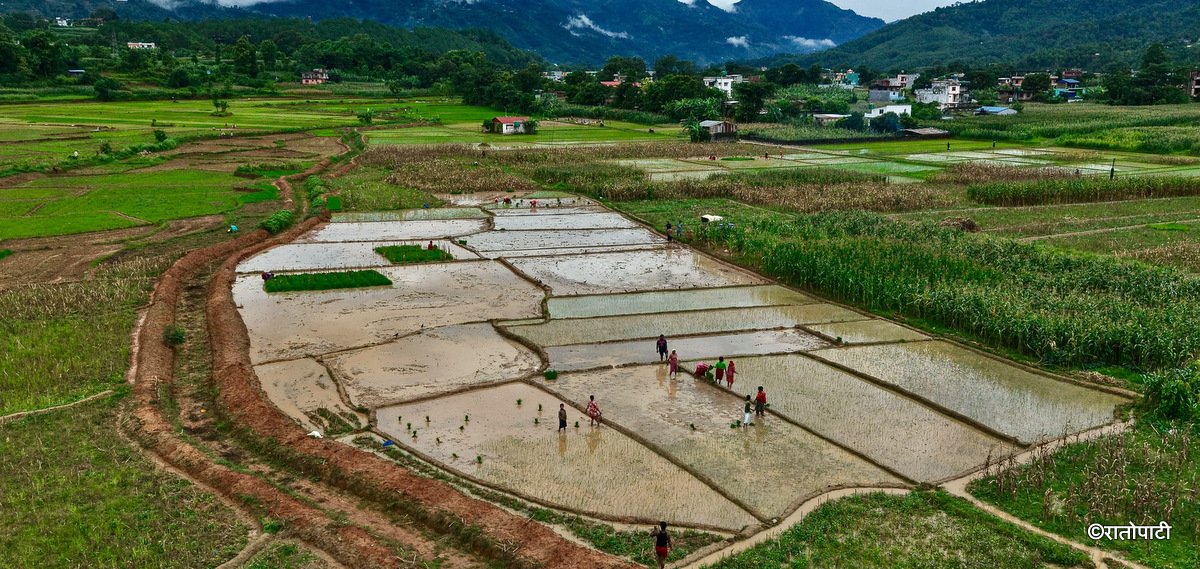
For that, I have mentioned three sectors: first, advancing hydropower (460 MW of Fukot Hydropower and 900 MW of Tila-1 and 2), which will create employment and reduce poverty. Second is the development of the tourism sector, and third is to increase investment in the agricultural sector to improve the standard of living of the people, which is my main commitment.
What issues do you want to raise in parliament now?
First is to accelerate infrastructure development. For example, the government is bringing a bill related to traffic rule fines. It's not enough to just impose fines; road infrastructure needs to be improved. If the road infrastructure is good, many traffic problems will be solved on their own. Nepal is still lagging in infrastructure; the condition of roads in the capital is precarious, so what about the condition of remote areas? I will raise my voice to reduce road accidents and to make Nepal bright by bringing electricity to every household. Also, by improving health and education, we need to create an environment for specialist services and higher education in every village. I will raise a strong voice in the house on issues of poverty alleviation, national defense, and preserving this system.
What message do you have for the people of Kalikot who voted you to victory?
The situation when the votes were cast in the election is a bit different now. We are now on the opposition bench. However, I will strongly raise the issues of Kalikot's infrastructure, economic prosperity, and social justice by drawing the government's attention. There is no need to be too disappointed just because we are not in government; the situation will change again. We need to be optimistic and patient. I will continue to work towards gradually fulfilling the commitments I made during the election.
This specific news has been automatically translated by AI. As a result, there may be some inaccuracies or language errors.