Bagmati Province Assembly Slow in Lawmaking, Speaker Post Vacant for 9 Months

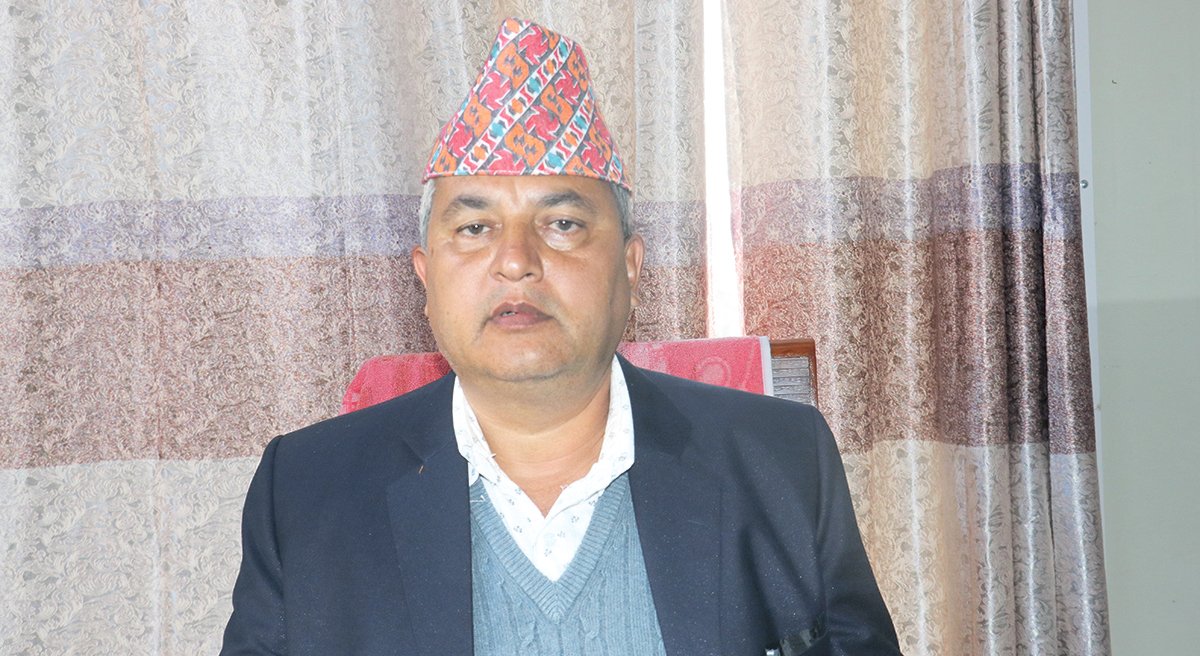
Ten years after the implementation of federalism, the Bagmati Province Assembly appears slow in lawmaking. The post of Speaker of the Provincial Assembly has been vacant for the past 9 months.
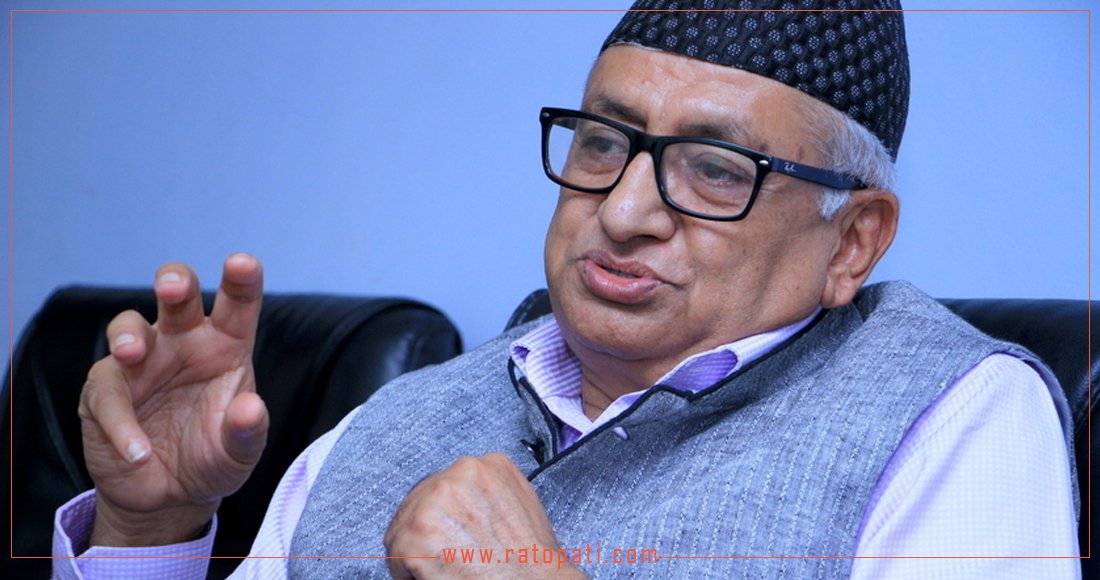
Shalikram Jammakattel, who has served as the Chief Minister of Bagmati Province and is currently the leader of the opposition in the Provincial Assembly, expresses concern over the weakened role in upholding the dignity of the Provincial Assembly and enacting necessary laws for the province.
Here is a conversation focused on the legislative deadlock in the province, the decline in the parliamentary system, and the restructuring of ministries:
- When you were the Minister of Internal Affairs during the first term of the Bagmati Province Assembly, you prepared a list of 99 laws that needed to be enacted. What is the status of those laws now? How do you see their implementation?
Look, law is the foundation of federalism. In our first term, we deeply studied the schedules of the constitution and the areas of authority of the province and identified 99 laws. By my time, about 74 laws had been made, but unfortunately, since the beginning of the second term, the process of lawmaking has almost come to a standstill. In the last two years, apart from the 'Provincial Agriculture Development Act', not a single new law seems to have been made.
The most regrettable thing is that the current government is trying to tamper with the very existence of the Ministry of Law. The Ministry of Law is the main gateway for the government's performance. The legal validity of the work done by any ministry is tested here, but the government has failed to understand its importance. Moreover, a bad culture has emerged where the current government does not take ownership of the laws and structures created by the previous government. The ministers of the current government themselves are confused about the laws they need to implement.
- On what basis were those 99 laws you identified chosen, and how many of them were completed?
We did not select those laws arbitrarily. The main basis was the province's exclusive and shared rights listed in the constitution's schedules. At that time, a team comprising the Chief Attorney, secretaries of all seven ministries, and experts spent months on this 'exercise'.
We had already made about 70 to 74 laws. The remaining ones are only some technical laws within the shared rights list, but instead of completing the remaining work, the current government is shying away from lawmaking.
- There are also allegations that the Bagmati Province has focused more on controversial issues and those that benefit the ruling party rather than citizen-centric laws?
There is no truth to this allegation. In the first term of the Bagmati Province Assembly, we have made very mature laws. Before taking any bill to the parliament, we made it mandatory to send it to the committee for clause-wise discussion and to seek expert opinions. Unlike in other provinces, we never rushed to present and pass bills immediately.
None of the laws we made conflict with the laws of the federal government. The federal government has not sent a single letter to date stating that this law conflicts or should not be implemented. Rather, it is now time to 'review' the effectiveness of those laws. For example, the government should have studied how economic administration, service delivery, and structures have affected citizens, but the government is not paying any attention to that.
- The Provincial Assembly has now become merely a place for changing governments and taking votes of confidence, rather than a place for making laws. How do you view this?
This complaint is very valid. The parliament was as active in the first term as it is not now. How many times has the parliament convened in the last two years? It meets only 10-12 times and the session is adjourned. This is because the government has not provided any 'business' to the parliament. If the government does not draft bills, what will be discussed in the parliament?
Members of Parliament are not just there to give speeches; they are supposed to participate in lawmaking, but time has been consumed by the instability of the government, the fall of one government, and the formation of another. I myself had to take a vote of confidence three times in a period of 18 months. This is also a compulsion of our parliamentary system. The government's inability to provide work to the parliament is the main problem now.
- The post of Speaker has been vacant in Bagmati Province for a long time. What is the impact of not having a Speaker on the parliamentary process?
This is a black mark in the parliamentary history of Bagmati Province. Not holding elections for the Speaker, despite the majority of two major parties, is a mockery of the parliamentary system. The Speaker has a separate legacy, authority, and constitutional status. The Deputy Speaker is below a minister in portfolio. There is a world of difference between the Deputy Speaker running the house and the Speaker running it.
Currently, in Bagmati, a sensitive issue like the Finance Bill has to be authenticated and sent by the Deputy Speaker. The mistake made in Koshi Province has been repeated here. The Speaker is supposed to pressure the government and give agendas to the parliament, but now the parliament has become a helpless shadow of the government.
We repeatedly asked to hold the Speaker's election, but the ruling party, in its arrogance of majority, did not pay attention. Now, so much time has passed that it hardly matters whether the Speaker is elected or not.
- Regarding lawmaking, MPs can themselves bring 'private member's bills', why haven't they taken such initiative?
The provision exists, but it is difficult in practice. Any honorable member can register a private member's bill, but in a party system like ours, such a bill cannot be passed without the government's ownership and support. If the government does not deem it necessary and the MPs from the ruling party do not support it, the bill will fail.
Some MPs may not have put in the effort for a bill that is certain to fail, but the main thing is that the government itself must be sensitive to lawmaking.
- How do you evaluate the recent restructuring of ministries and the reduction in the number of ministries?
I do not disagree with the need to reduce the number of ministries. It was necessary, but the style of restructuring was very arbitrary. They have merged ministries based on the weightage of the budget rather than the nature of the work. The Ministry of Forest and Agriculture have been combined, where there are two different secretaries for different disciplines. This will start a tussle over who will take administrative command.
Transport and Tourism have been merged, which makes no sense. Cooperatives have been placed under the Ministry of Law. This restructuring seems to have been based solely on the advice of employees who hold anti-federalist sentiments. The government is not in a position to accept the valid suggestions we have given. This will create significant complications in future performance.
- Finally, is it because the opposition's role has been weak that the government has proceeded this way?
The opposition is not weak. We are continuously raising questions in the house, but the government, relying on its majority, is ignoring even the constructive suggestions of the opposition. The current government does not want to listen to the opposition at all. For example, when restructuring the budget, about seven to eight billion rupees were cut and put into fragmented projects. We were not consulted on that.
We are supposed to provide oversight from the citizens' perspective, which we are doing. The parliamentary system cannot be successful as long as the government does not become accountable. We will continue our oversight.
This specific news has been automatically translated by AI. As a result, there may be some inaccuracies or language errors.