Burn Injuries Pose Major Public Health Challenge in Nepal

Burn injuries have emerged as a major public health challenge in Nepal. In the last week alone, two lives were lost due to self-immolation. Despite the government's goal to expand burn treatment services nationwide, implementation remains weak.
Due to burn injuries, patients are dying without receiving timely treatment. For patients with severe burns, there are no options other than traveling to neighboring India or awaiting death. Nepal faces a shortage of specialized manpower for burn treatment.
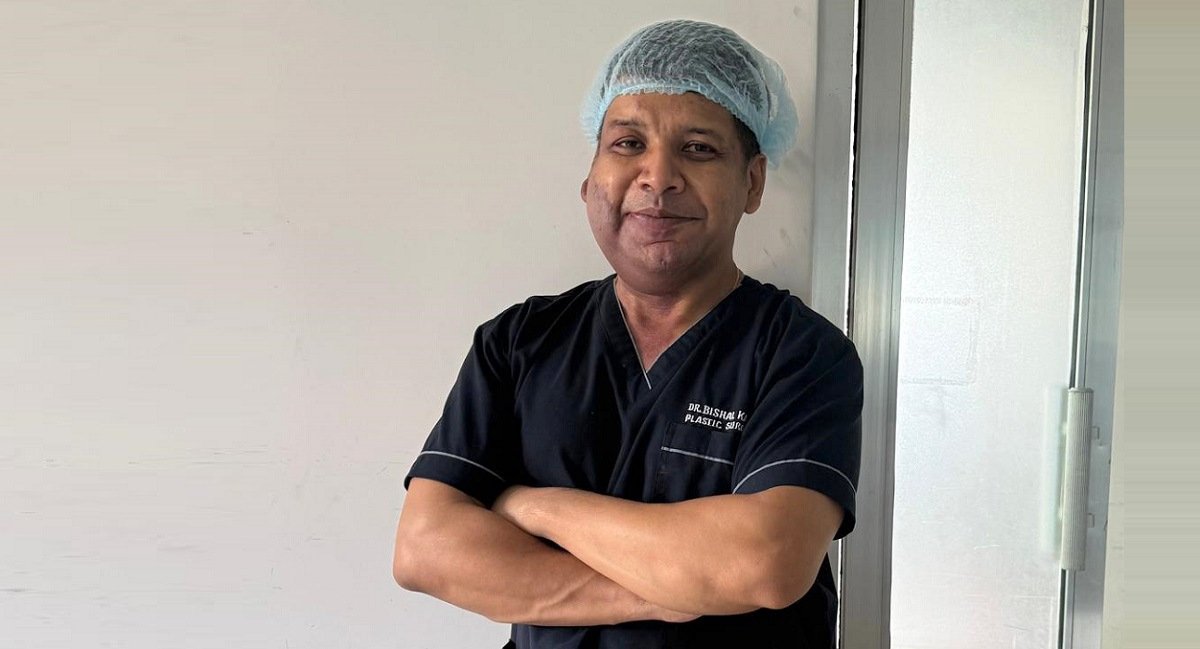
In this context, here is a summary of an interview with Dr. Bishal Karki, Head of the Plastic Surgery Department and Senior Consultant Plastic Surgeon at Kirtipur Burn Hospital:
What types of burn patients primarily come to Kirtipur Burn Hospital?
We receive patients with all types of burn injuries for treatment. Among them, the largest number are patients burned by fire. The second highest number are cases burned by hot liquids such as milk, oil, or water. Additionally, we have seen a significant number of patients with severe burns from electric shocks, chemicals, acids, and, particularly this year, lightning strikes. Overall, we treat all complex cases of burn injuries.
How likely is survival from burn injuries if first aid is received promptly or if the patient reaches the hospital in time?
First aid is most crucial. If a person is burned by fire, the first step is to move the burning object away and then apply water to the affected area. If we keep running water on the burned area for 20 to 30 minutes, the wound does not deepen and cools down quickly.
If the wound does not deepen, we can heal it with dressing. If it deepens, it becomes like dead skin and can lead to infection. To prevent this, deep wounds may require surgery. The burnt skin is removed, and skin grafting is performed. However, if good first aid is provided initially and the wound does not deepen, it can be healed with dressing.
Some people measure burns as 10 percent body burn, 20 percent burn, 50 percent burn, or by degrees. Could you clarify this?
This is called TBSA, Total Burn Surface Area. It refers to how much of the body's outer skin is burned. If all the outer skin is burned, it's 100 percent. If half of the outer skin and half of the body is burned, it's 50 percent. There are many ways to calculate this. When we calculate, if it's more than 20 percent in adults and more than 10 percent in children, it's called a major burn. It's called a major burn because even if only the skin is burned, its effects can be seen in internal organs, such as the heart, kidneys, and lungs. These patients require special attention. A major burn is defined as over 20 percent in adults and over 10 percent in children.
Hospitals for burn treatment have been established in villages, but there is a shortage of specialist doctors. Patients are referred to Kathmandu. How can this problem be overcome?
We are providing training in hospitals outside Kathmandu. The initial 24 hours are called the 'golden hour.' Instead of rushing to Kathmandu immediately, it's better to provide water there for the first 24 hours before sending them. This is because patients traveling long distances may not receive saline in an ambulance. This wastes the 'golden time.' Therefore, for major burns, saline must be administered initially. We are providing them with training on how to do this.
What is the treatment process and method?
The first step in the treatment process is first aid. First, extinguish the fire and then cool the burned area. Then, depending on the extent of the burn, if it's extensive, it requires ICU treatment; if it's minor, it can be managed in a ward. Similarly, if the burn is deep, or if the patient has inhaled hot smoke, such cases also require ICU. After that, depending on the wound's condition, if it's not deep, we heal the wound with dressing. If it's deep, surgery is required. The dead skin is removed, and the wound is covered with skin from another unburned area of the patient or by other means.
This specific news has been automatically translated by AI. As a result, there may be some inaccuracies or language errors.