Lawmakers Raise Concerns Over LPG Gas Supply, Quality, and Safety

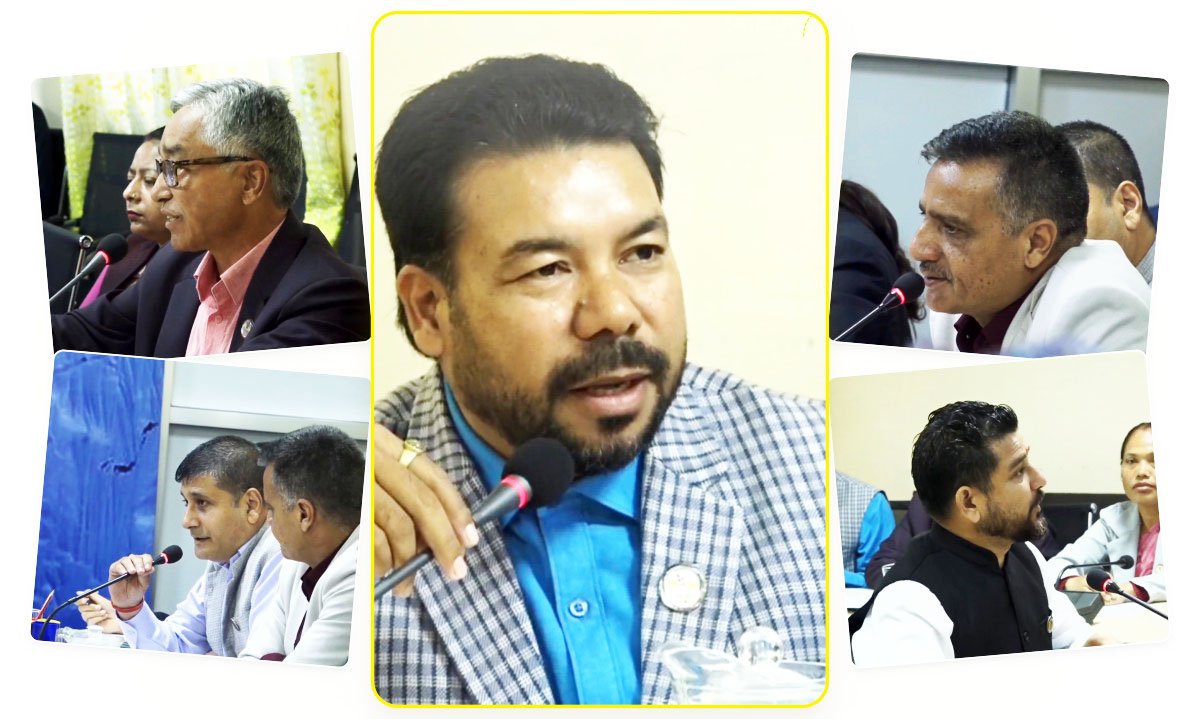
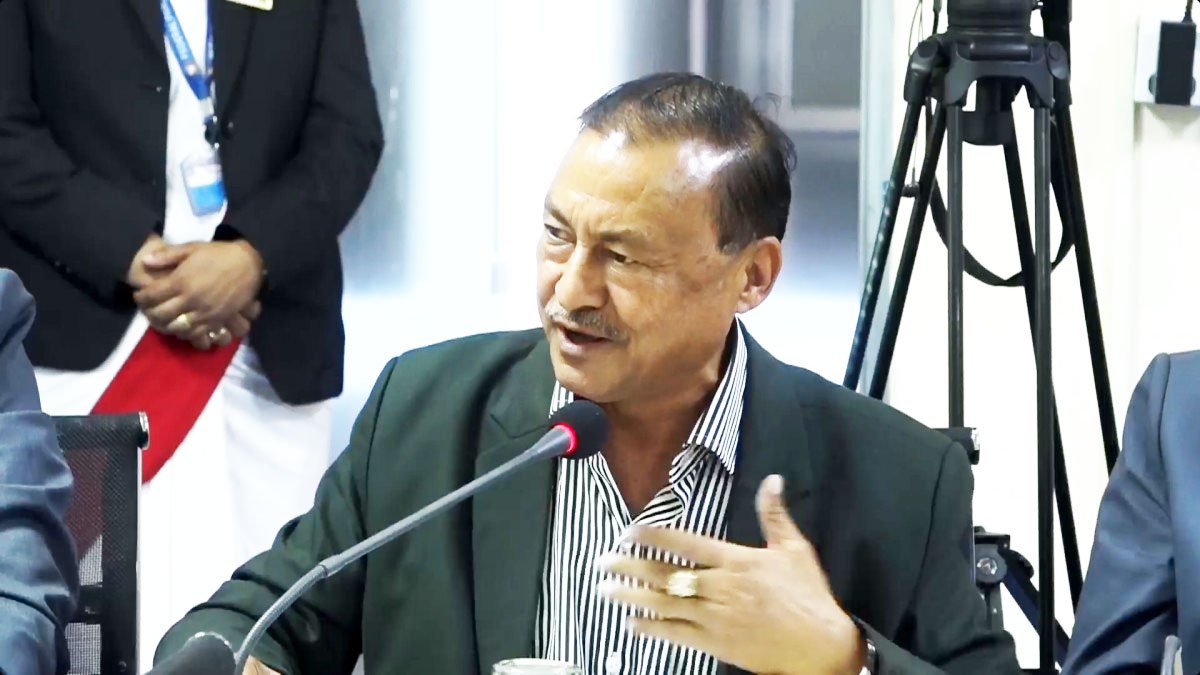
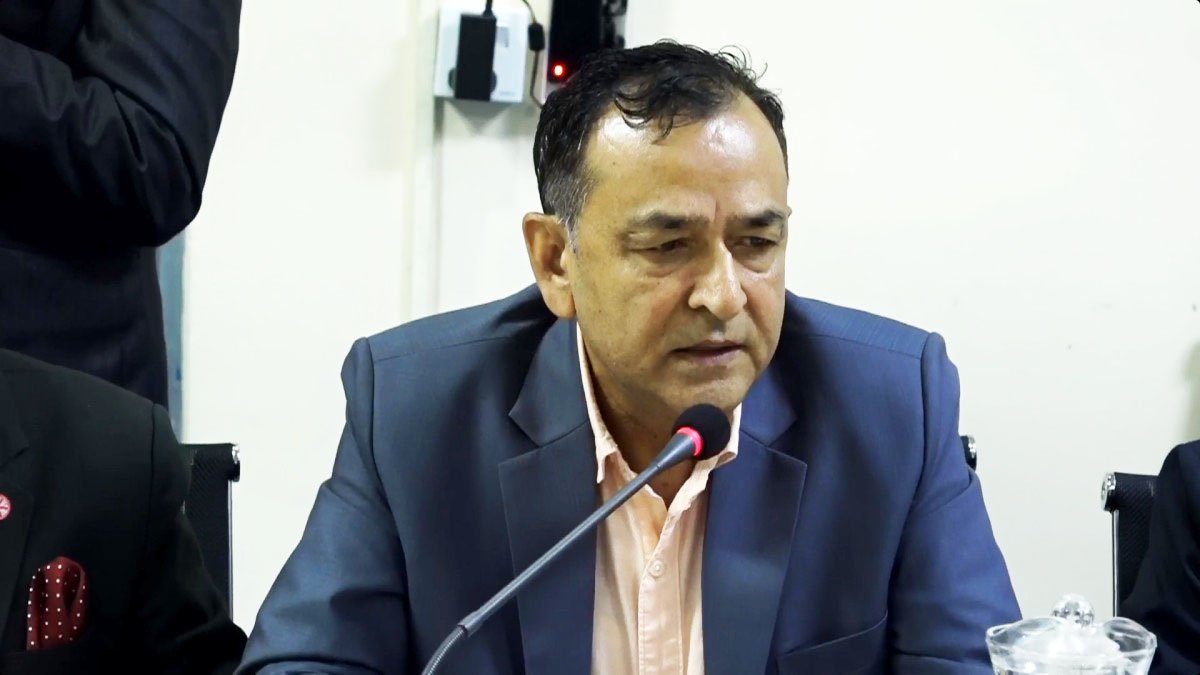
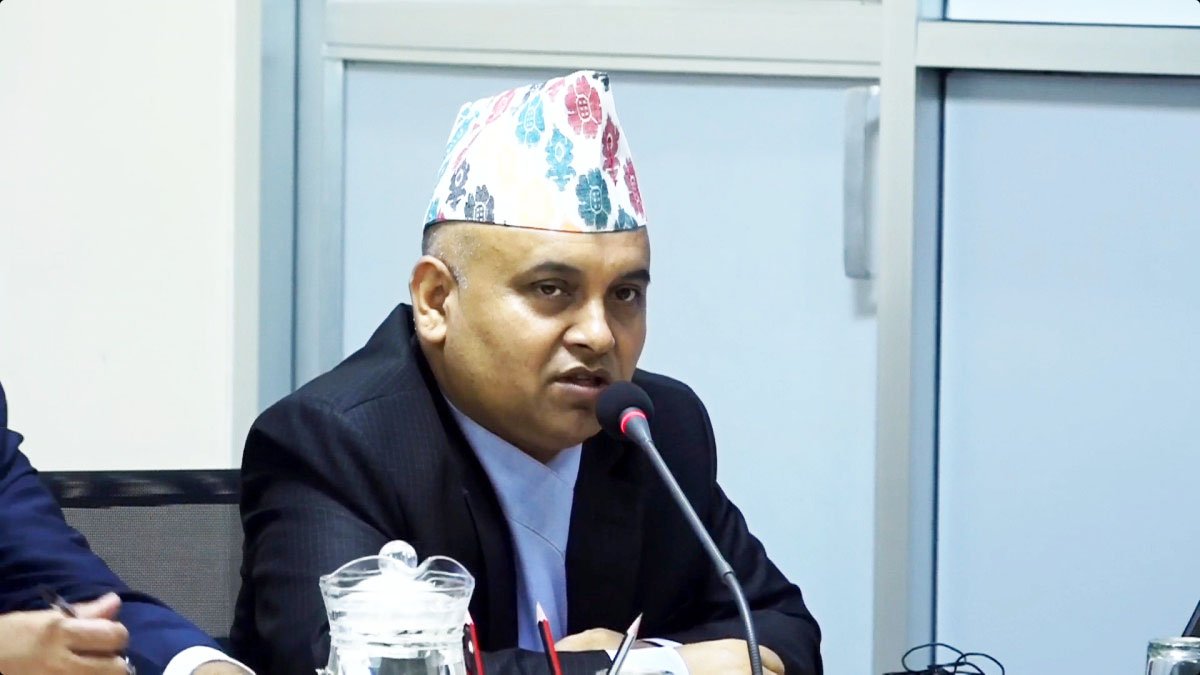
Kathmandu. In a meeting of the Industry, Commerce, and Consumer Welfare Committee under the Federal Parliament held on Wednesday, lawmakers expressed serious concern over the supply, quality, safety, and subsidy system of LP gas used for cooking. Most lawmakers speaking at the meeting drew the attention of the government and stakeholders to the safety standards of gas cylinders, complaints of consumer exploitation, and measures to reduce dependency. Prakash Pathak, a lawmaker from the Rastriya Swatantra Party, stated that there is public anxiety regarding the safety standards of gas cylinders kept in homes. He mentioned that consumers are being cheated due to the sludge inside cylinders and that the recent implementation of the half-cylinder system has created further confusion. Lawmaker Pathak said, 'There is serious public concern about the safety standards of LP gas cylinders.' He added, 'Complaints are being received about old and risky cylinders being used in homes. What arrangements have been made for their management and regular testing?' He questioned the ministry's initiatives regarding sludge inside cylinders, especially with increased complaints during the distribution of 7.1 kg refills. He demanded clarification of the government's plan to expand the use of electricity, strengthen the transmission system, and develop alternatives to LP gas as long-term solutions. Raswapa lawmaker Buddhiprasad Panta demanded that companies be held responsible for the age and quality of cylinders, stating that the concerned companies should be liable for accidents caused by old cylinders. Lawmaker Panta said, 'Nepali consumers are always ready to pay the price set by the government, but it is unfortunate that they cannot easily get gas when needed.' He added, 'Now, instead of just pointing out problems, the government and businesses must take concrete steps towards a long-term solution.' He suggested increasing storage capacity and the number of bullets, and determining cylinder age, regular testing, and maintenance according to international standards. CPN-UML lawmaker Kripa Ram Rana mentioned that the private sector alone has to meet market demand due to insufficient storage capacity, and the government must work on this. He suggested expediting the gas mine excavation project in Dailekh and implementing color coding for cylinders for commercial and domestic use. Lawmaker Rana said, 'I want to welcome and thank the government for deciding to distribute the full 14.2 kg gas cylinder again.' He added, 'Studies should be conducted on implementing a separate pricing system for commercial and industrial purposes while providing subsidies for domestic use.' He noted that distributing domestic and commercial cylinders with different colors or clear identification would increase both monitoring and transparency, and drew the government's attention to promoting gas excavation and biogas production in Dailekh. Raswapa lawmaker Harimohan Bhandari suggested prioritizing pipeline construction, stating that the current situation where only 700 bullets meet the country's demand is not sufficient in the long run. He mentioned that the half-cylinder system has imposed an additional burden on businesses by increasing transportation and labor costs. Lawmaker Bhandari said, 'A system of implementing different systems and distinct identification for domestic and commercial purposes should be implemented to provide subsidies only to the target group.' He stated that this would make monitoring effective and subsidies transparent. Nepali Congress lawmaker Kalibahadur Sahakari drew the government's attention to the lack of gas industries in Karnali Province. He also demanded clarification on the technical difference in the consumption period between 14.2 kg and 7.1 kg cylinders. Lawmaker Sahakari said, 'While consumers have the experience that the 14.2 kg cylinder they use lasts about three months, there are widespread complaints that the 7.1 kg cylinder does not even last a month.' He questioned the reason for this, whether it be weight or quality, and demanded the policy or infrastructural reasons for the lack of industry in Karnali. Lawmaker Prakash Singh Karki said that electricity (induction) should be promoted as an alternative to gas. He expressed dissatisfaction that despite talking about electricity exports, there is no thought given to increasing domestic consumption and reducing dependency on gas. Lawmaker Karki said, 'Regarding gas cylinders, the transportation cost for both half and full cylinders is almost the same, so the distribution of half cylinders appears to have imposed an additional burden on both industries and consumers.' He added, 'When implementing programs like subsidies or cashback, a clear and transparent mechanism must be created, otherwise the risk of misuse and corruption increases.' He warned against making decisions without adequate preparation, noting that consumers in remote districts face difficulties getting gas even after paying double or triple the price. At the end of the meeting, lawmakers urged the invited ministers and ministry secretaries to make the discussions result-oriented, citing that the committee's decisions are not being implemented.
This specific news has been automatically translated by AI. As a result, there may be some inaccuracies or language errors.