Ministry Reintroduces 14.2kg LP Gas Cylinders to Address Supply Shortages

Kathmandu. The Ministry of Industry, Commerce and Supplies has implemented the full 14.2 kg cylinder for LP gas again to remove the supply disruption seen in the market.
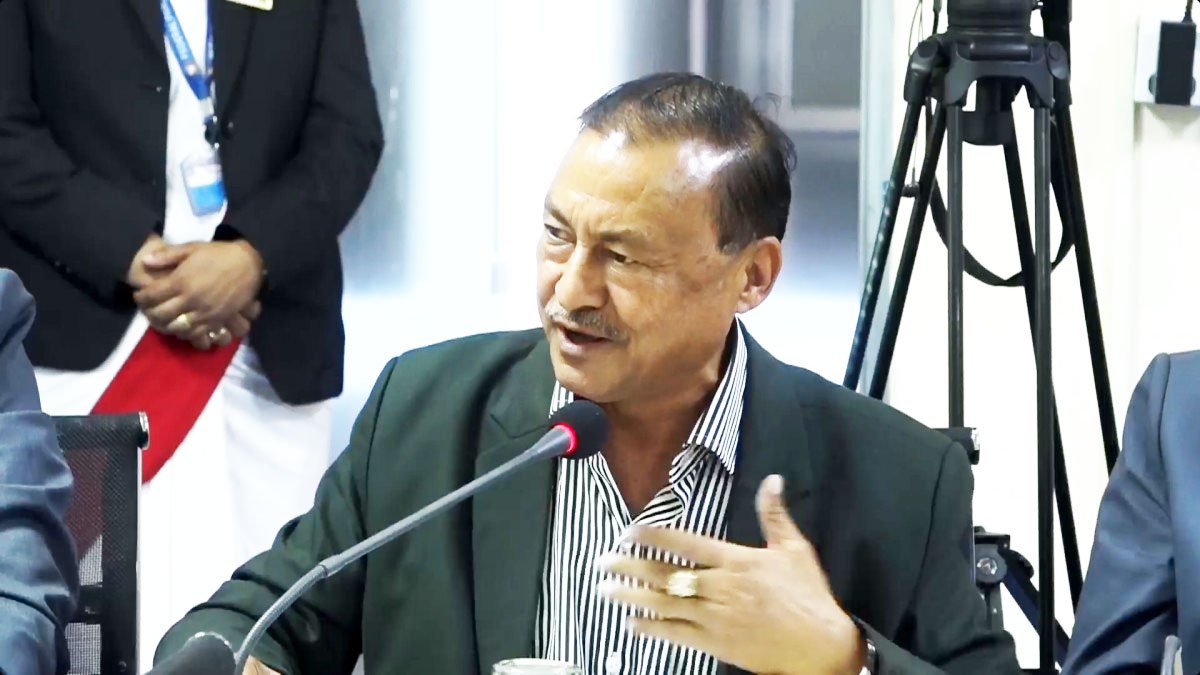
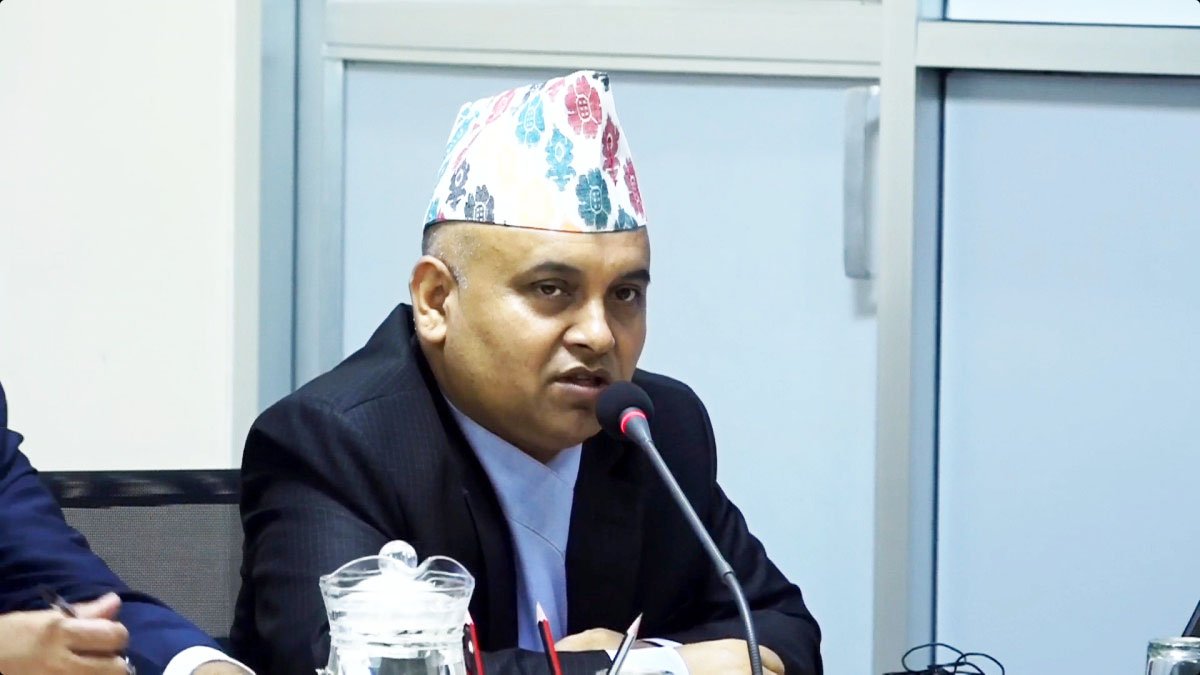
Clarifying at the meeting of the Industry, Commerce and Labour and Consumer Interest Committee of the Federal Parliament on Wednesday, Ministry Secretary Krishna Bahadur Raut stated that such a decision was made to ease the supply system and reduce transportation costs.
Previously, considering the psychological fear and shortage created due to the Russia-Ukraine war and supply disruptions, the ministry had decided to distribute half cylinders of 7.1 kg. This step was taken on Falgun 29, 2082, following the practice during the blockade of 2072 BS and post-earthquake supply disruptions. Secretary Raut said that the decision to sell full-weight cylinders again has been reached due to the recent increase in transportation fares, consumer demand, and increased costs of industrial manpower.
Nepal Oil Corporation is still incurring significant losses in LP gas. According to the price list received from Indian Oil Corporation in July 2024, the corporation has a loss of Rs 936.98 per cylinder. Earlier, this loss had reached up to Rs 1,173 per cylinder. Clarifying that the Government of Nepal does not directly provide subsidies for gas, Secretary Raut informed that the corporation is covering the gas deficit by profiting from other petroleum products (cross-subsidizing).
He mentioned that approximately Rs 36 billion has been spent from the price stabilization fund and accumulated profits in the last three-four months alone. He clarified that the gas provided for industrial purposes is sold at the parity price and there is no loss in it. Currently, the consumer price of gas in the market is fixed at Rs 2,060 per cylinder.
According to the ministry, 58 gas industries are currently in operation across the country, with a daily cylinder filling capacity of 162,000. An average of 110,000 cylinders are being sold daily in the market. The total storage capacity of the industries is only 10,166 metric tons, and the lack of storage capacity of Nepal Oil Corporation itself has created challenges in supply management.
The 7.1 kg refill also affected the bullet management, storage, and loading cycle due to reduced gas consumption. According to current data, the gas supply is short by 17,000, sometimes 14,000, and sometimes 10,000 metric tons per month compared to the monthly demand. This had raised concerns that supply problems might arise during the upcoming festivals and winter season when gas consumption increases.
Secretary Raut, speaking about the background in the Senate meeting, said, 'Due to the psychological fear of gas shortage among consumers caused by the Russia-Ukraine war, the tendency to hoard gas also increased.'
He further added, 'Due to all these reasons, the situation arose where 7.1 kg refills had to be distributed instead of 14.2 kg at that time.' However, recently, consumers in remote areas received less quantity of gas, leading to higher transportation costs, and industrialists also demanded through the federation citing doubled handling charges, loading-unloading costs, transportation, and manpower costs.
Currently, with about 700 gas bullets stranded in transit and standby, affecting the loading process from India, the ministry is working to streamline the supply system keeping in mind the potential increase in demand during the upcoming festivals and winter season.
This specific news has been automatically translated by AI. As a result, there may be some inaccuracies or language errors.