Climate Change Causes Significant Economic and Non-Economic Losses in Nepal


Kathmandu. Looking at the nature, frequency, and intensity of natural disasters seen in Nepal in recent years, climate change appears to be the main cause of most incidents. Due to its mountainous geography and environmental sensitivity, Nepal is one of the most climate-vulnerable countries in the world. Experts have stated that the disruption of the monsoon's regular rhythm, drought in some places and excessive rainfall in others, rapid melting of snow in the Himalayan region due to rising temperatures, heatwaves in the Terai, and severe drought can no longer be understood as mere natural weather phenomena. As the Earth's temperature continues to rise, such events are expected to increase in the coming years, leading to more dire problems.
According to the disaster portal of the National Disaster Risk Reduction and Management Authority, Nepal has incurred direct economic losses of approximately NPR 53 billion due to climate-induced damages in the last 13 years. Disasters such as floods, landslides, glacial lake outbursts, droughts, heatwaves, and lightning have created a severe crisis for Nepal's agricultural system, infrastructure, and human life. Averaging the losses over the past 13 years, Nepal is suffering direct economic losses of over NPR 4 billion annually solely due to climate change.
Within this, direct losses in the agricultural sector alone are estimated to be around NPR 2 billion annually. Crops ready for harvest are destroyed due to unseasonal heavy rainfall and prolonged droughts, while rural farmers have suffered significant losses due to the death of livestock from heatwaves in the Terai. On the other hand, physical infrastructure such as roads, bridges, and hydropower projects suffer annual losses of approximately NPR 2.5 billion. Sudden floods and landslides with mud instantly destroy infrastructure built with millions of investment, the reconstruction of which consumes a large portion of the state's development budget. Besides this, family losses of an estimated NPR 500 million to NPR 1 billion annually are incurred due to the destruction of personal homes and private property.
- Non-economic losses are not measured
The social and environmental value of non-economic losses and damages caused by climate change-induced disasters is even deeper. Forest fires destroy millions of hectares of forest area and biodiversity annually, putting the ecosystem itself at risk. The economic value of the mental anguish of displaced citizens who have lost their homes due to floods and landslides, and the educational loss of children, cannot be assessed. Although the National Disaster Risk Reduction and Management Authority and concerned ministries keep data on the economic losses of major disasters, the non-economic losses have not been measured. As the government's policies only include physical structures within the scope of damage and loss, the aspect of non-economic losses, which have long-term effects, has been most neglected.
On the part of non-governmental organizations, studies on the non-economic losses and damages of disasters, other than the Melamchi flood, are not found. According to the non-economic losses and damages report by the Nature Resources Center, 85 percent of those affected by the Melamchi flood are experiencing psychosocial problems. The study mentions that 70 percent suffer from depression and 57 percent from anxiety-related problems. There appears to be no clear policy, budget, or institutional responsibility with the state to address such psychosocial and cultural damages.
- Disaster details must be prepared: Dr. Dharmaraj Upreti
Climate expert Dr. Dharmaraj Upreti has stated that the long-term non-economic losses and damages caused by forest fires and deforestation to birds, biodiversity, ecosystems, and religious-cultural heritage connected to people's faith are becoming even more dire, in addition to direct losses. However, ironically, the state currently has no official accounting or integrated data system for these non-economic damages.
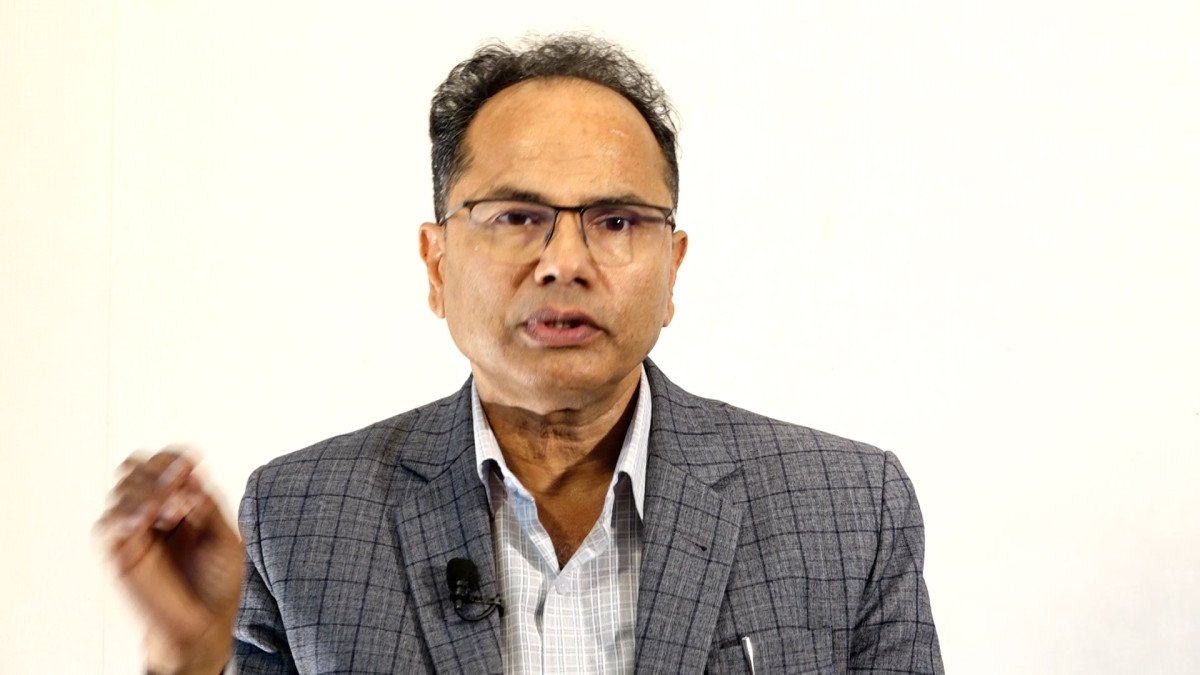
Dr. Upreti said, 'When a bridge is washed away, its economic valuation may be immediate, but the non-economic losses and damages such as the suffering of people on both sides, educational disruption, and mental stress are not systematically documented in our national accounting system.' He added, 'If we cannot present the details of our losses officially in international forums and prove that this disaster was caused by climate change, Nepal cannot receive financial benefits from the Green Climate Fund, Loss and Damage Fund, or Adaptation Fund.' This, he said, also blocks the way for foreign investment and money to come to Nepal.
He stated that Nepal needs to develop a strong national data system immediately to establish its right to climate justice with the international community and to secure substantial funds from international climate funds. He argued that this system is essential for Nepal to establish its rights from a perspective of justice, not by begging for charity. To solve the data problem, he emphasized the need to build an integrated management information system connecting all 753 local levels, seven provinces, and the central government.
For risk assessment, preparedness, and planning at the local level, Dr. Upreti mentioned the need to work according to the '3P' (Pre-disposing, Precipitating, Protecting) model. The first involves mapping potential risks, the second identifying risk-aggravating factors, and the third ensuring protective measures to save the community by utilizing early warning systems and scientific facts. He claimed that by doing so, the economic and non-economic losses from glacial lake outburst risks in the Himalayas, landslides in the hills, and floods in the Terai can be predicted and mitigated.
- 'Outlook Report' on Losses and Damages is Needed: Dr. Maheshwor Dhakal
Dr. Maheshwor Dhakal, Joint Secretary at the Ministry of Forest and Environment, stated that due to geographical complexities and the severe impact of climate change, disaster management and rescue operations in Nepal are becoming extremely expensive and challenging. He noted that since 80 to 90 percent of the country's disasters are directly caused by climate change, traditional disaster management methods are insufficient.
Joint Secretary Dr. Dhakal said, 'Due to our diverse and scattered settlements, rescue and rehabilitation in even the smallest disaster incidents are very expensive.' He added, 'Due to the losses and damages caused by climate change, the time has come to rethink the concept of development and settlement development in a new way.' He stated that during disasters, government processes must be highly simplified and coordinated, and efforts should be made to ensure that more resources reach the local level.
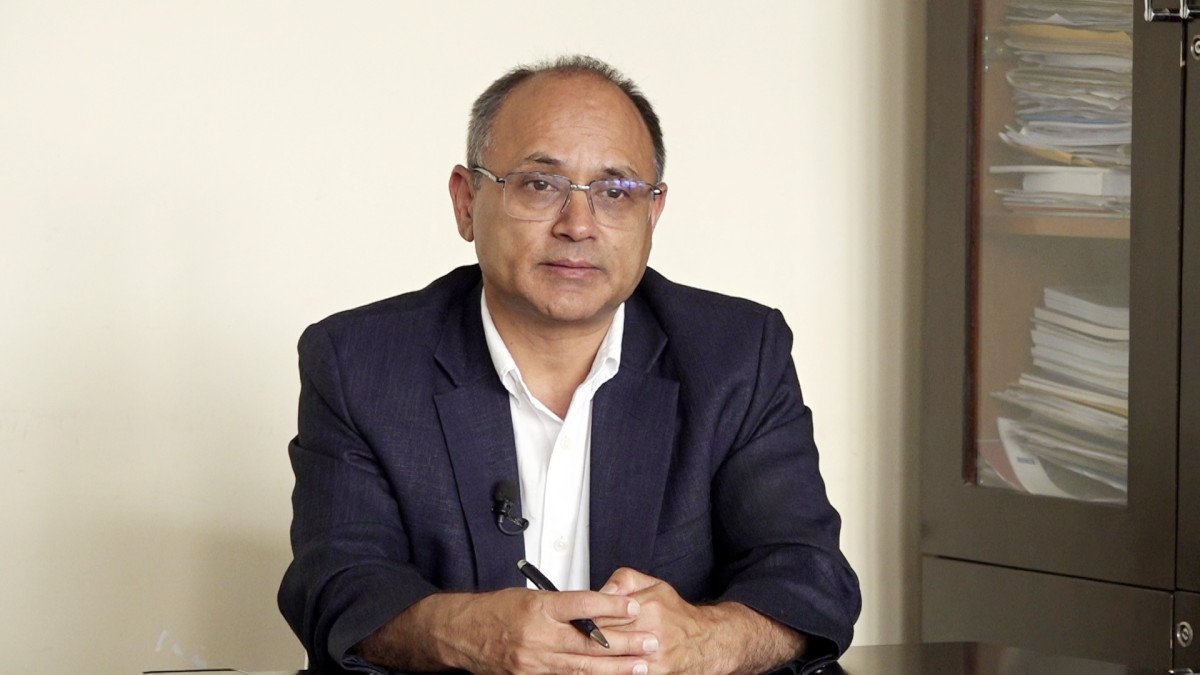
While acknowledging the difficulty in valuing human life and mental anguish in economic terms, he emphasized that even though reliable methods for measuring the stress on children's minds when schools are washed away by floods have not yet been developed globally, Nepal should at least publish an 'Outlook Report' every five years that reflects the overall loss and damage situation of the country.
He said, 'The issue of loss and damage is very complex, technical, and intricate.' He added, 'Not only non-economic loss and damage, but even economic loss and damage are not well-integrated into the national accounting system.' While the authority collects data on the number of deaths or injuries, the situation where it cannot state the actual extent of loss and damage necessitates the publication of an 'Outlook' report every five years to aid in further policy formulation and field action plans, he clarified.
- Scientific Proof Needed to Benefit from 'Loss and Damage Fund': Manjit Dhakal
Climate expert Manjit Dhakal, also an advisor to the FRAally Board Member Committee, stated that countries have now entered the phase of climate-induced loss and damage after exceeding the limits of adaptation and reaching the final stage of damage. He informed that a major achievement of international negotiations over the past 5-6 years has been the recent establishment of 'The Fund for Responding to Loss and Damage,' which currently has approximately USD 700 million available. The path is now open for each developing nation to submit proposals to receive assistance ranging from USD 5 to 20 million, and Nepal has also submitted its proposals under this. However, to truly benefit from this fund, scientific proof that the disaster was caused by climate change and a strong basis in climate science must be presented.

Explaining the nature of the fund, expert Dhakal said, 'This fund is a bit different.' He added, 'If a flood occurs, destruction happens, or a glacial lake outburst occurs, we cannot start writing proposals and studying.' If previous studies have already confirmed that it was caused by climate change, proposals can be submitted in a short time based on those studies.
Emphasizing the need to scientifically prove events to benefit from the fund, he said, 'Strong scientific studies are needed to prove that this destruction in our country is due to climate change.' He cited an example from three years ago when a flood in Kathmandu and surrounding areas showed that a 1.3-degree Celsius rise in the Earth's average temperature increased flood damage by 10 percent and the probability of floods by 70 percent. He stated that only such studies enable quick and effective claims to be submitted to the international loss and damage fund.
He stated that the first condition for a sustainable solution to climate-induced loss and damage is for developed and rapidly developing nations to understand their responsibility and reduce carbon emissions. He pointed out the need for countries like Nepal to mainstream climate change into all development plans, saying, 'Climate adaptation must be integrated with every development plan.' He concluded that this issue cannot be addressed by merely including a couple of points in the budget.
- Increasing Losses Due to Sudden Disasters: Shanti Mahat
According to Shanti Mahat, spokesperson for the National Disaster Risk Reduction and Management Authority, climate change has completely disrupted the traditional pattern of the monsoon in Nepal. Instead of regular rainfall, there is now a tendency for drought in some areas and extremely high-density heavy rainfall in specific regions. Rising temperatures in the mountain ranges have increased the risk of glacial lake outbursts, while local winds are causing sudden floods in unexpected areas.
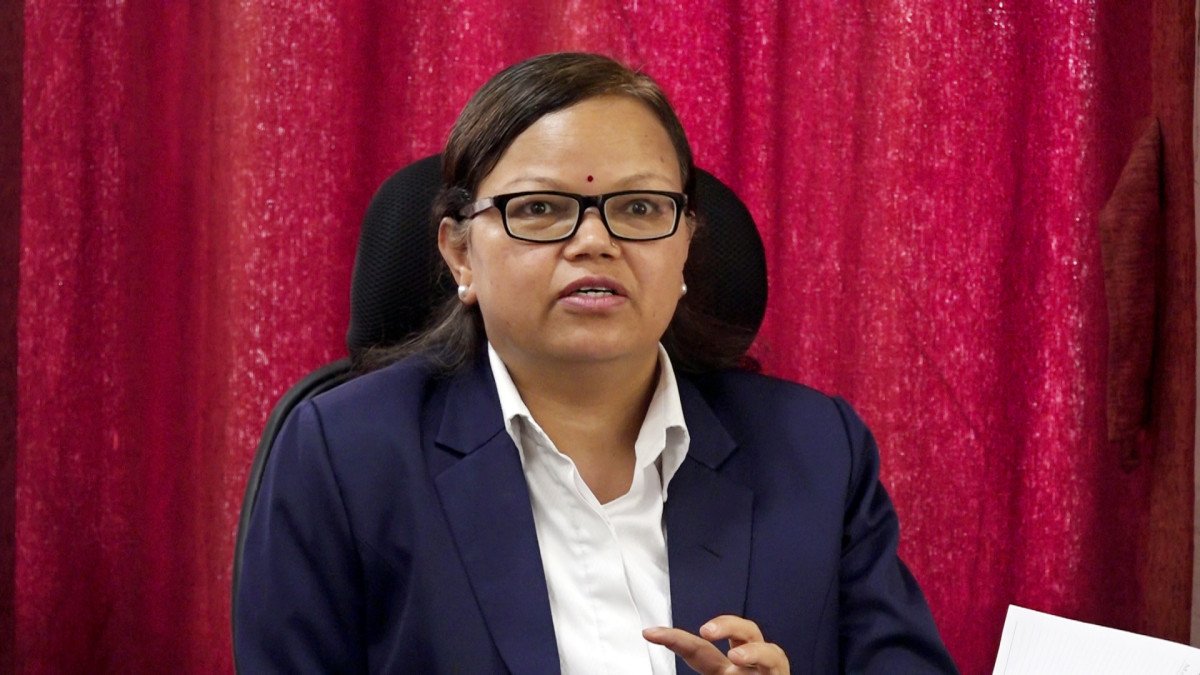
Clarifying the difference between traditional and new types of disasters and the challenge of preparedness, spokesperson Mahat said, 'People are a bit more aware of regular disasters and are also accustomed to preparing for them regularly.' She added, 'However, due to the sudden disasters caused by climate change, we are often unaware, uninformed, and unable to prepare adequately, which has led to increased damage in many places.'
Analyzing the data from the disaster portal for the last three years shows that an average of over 3,500 disaster incidents are recorded annually. Among these, over 300 citizens lose their lives annually due to landslides, floods, and lightning alone. Therefore, it has become an urgent necessity to clearly classify these incidents as being caused by climate change, rather than merely categorizing the data on the disaster portal as general disasters.
To effectively manage disasters and damages, the authority has strengthened an integrated and technology-friendly information system. The authority currently operates its own centralized 'Disaster Information Portal,' where official information on small and large disasters occurring in all 77 districts and all municipalities is collected. Mahat said, 'We update daily reports from district levels and CDO offices, police inquests, and official decisions cumulatively on Google Docs and the portal.' She clarified that a correct and scientific data record is essential for effective disaster management and to benefit from international funds.
This specific news has been automatically translated by AI. As a result, there may be some inaccuracies or language errors.