World Cup Controversy: Egypt Accuses Referees of Bias Against Argentina
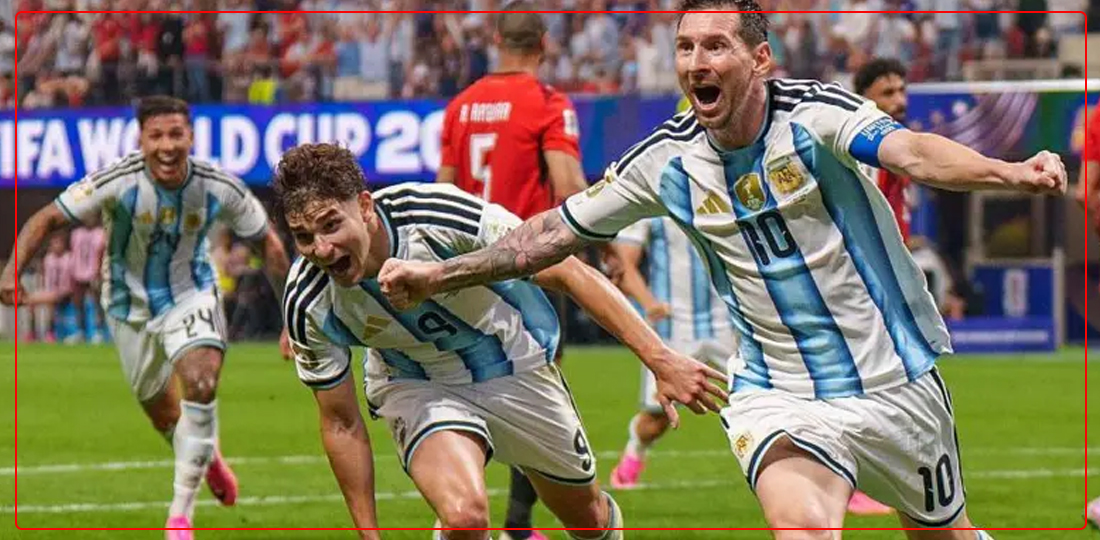
Kathmandu. The Argentine national football team is putting all its might into its campaign to defend the World Cup title. It has had to struggle a lot for that.
Argentina was expected to easily defeat Cape Verde and Egypt in the first two knockout matches. But Argentina had to struggle for a difficult 3-2 win in both matches.
However, the victory against Egypt was not without controversy. Egypt has demanded that FIFA remove the officials from the match, accusing the referees of making wrong decisions in the Round of 16 match.
Egypt has accused Argentina, and especially its star player Lionel Messi, of being favored. After the match, Egypt's head coach Hossam Hassan said his team had been treated unfairly and not impartially.
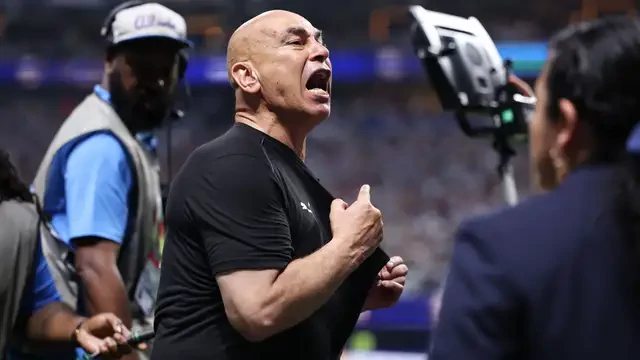
He indirectly accused FIFA of favoritism.
He said, 'Perhaps they wanted to keep the world champions in the competition. Perhaps they wanted to keep Messi in the competition.'
But is there really a planned effort to make Argentina successful? Let's look at various aspects of this.
How justified are Egypt's complaints?
It was natural for Egypt to be disappointed after losing 3-2. The African team was leading 2-0 with 11 minutes left in the game and was on the verge of reaching the quarterfinals for the first time in history.
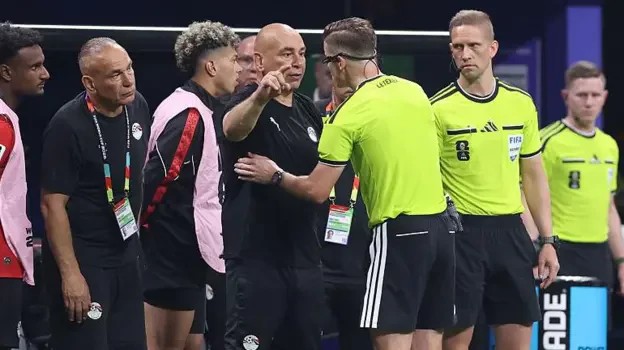
But then Argentina made an incredible comeback and won the game 3-2. Egypt claims that the reason for their defeat was not just the game, but also the referees' 'serious errors' and 'double standards'. They have questioned the French referee Francois Letexier and his team.
One of Egypt's goals was disallowed after VAR intervention.
According to their claims, Argentina's winning goal should also have been disallowed, and they should have been given a penalty instead.
Mostafa Zeko's excellent goal was disallowed when Marwan Attia was deemed to have stepped on Lisandro Martinez's foot at the start of the attack.
This decision was controversial. But at that time, Egypt was leading 1-0 and then scored another goal. Therefore, it cannot be proven that the result of the game would have been different if that goal had been allowed.
Egypt also claims that two potential penalties in their favor were not given before Argentina's decisive goal.
Hamdi Fathi claimed that Alexi Mac Allister had held him, while Mohamed Salah said that Julian Alvarez had tripped him.
Although there were some similarities in the incidents involving Martinez and Salah, it has been analyzed that there was not enough basis to award a penalty.
The decision was certainly controversial, but it does not confirm a conspiracy in favor of Messi.
Argentine Referee in France's Match
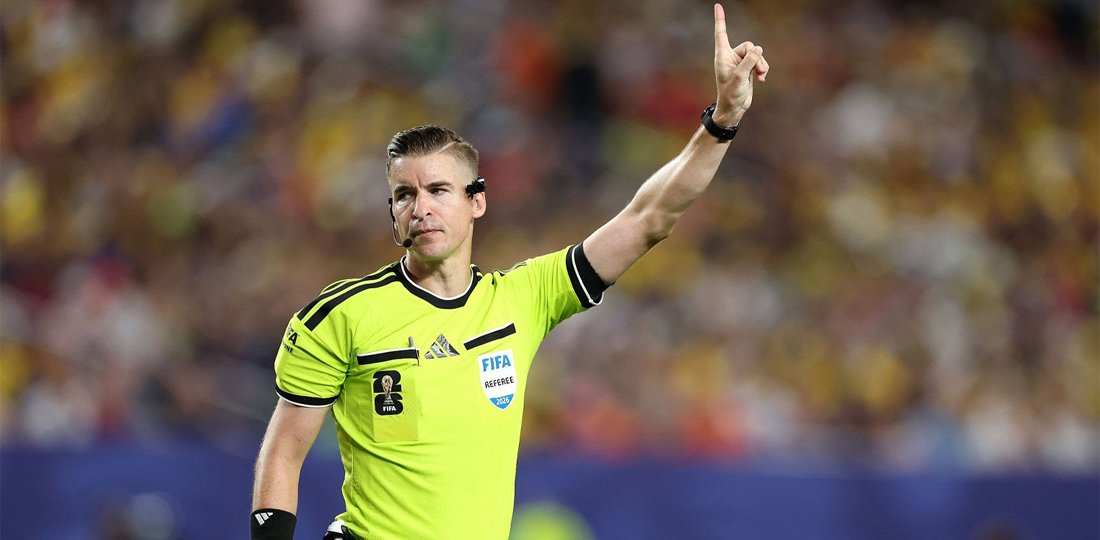
All the on-field officials for the match between France and Morocco in the quarterfinals have been appointed from Argentina. This is the first time in this World Cup that the main referee, both assistants, the fourth official, and the reserve official are all from Argentina. This is the second consecutive World Cup quarterfinal for main referee Facundo Tello.
Some argue that Argentina might want France to be eliminated from the competition, as France is a strong contender for the title.
However, the possibility of an experienced referee like Tello losing his impartiality is considered very low. But such an appointment has raised suspicions.
Did Messi Avoid a Red Card?
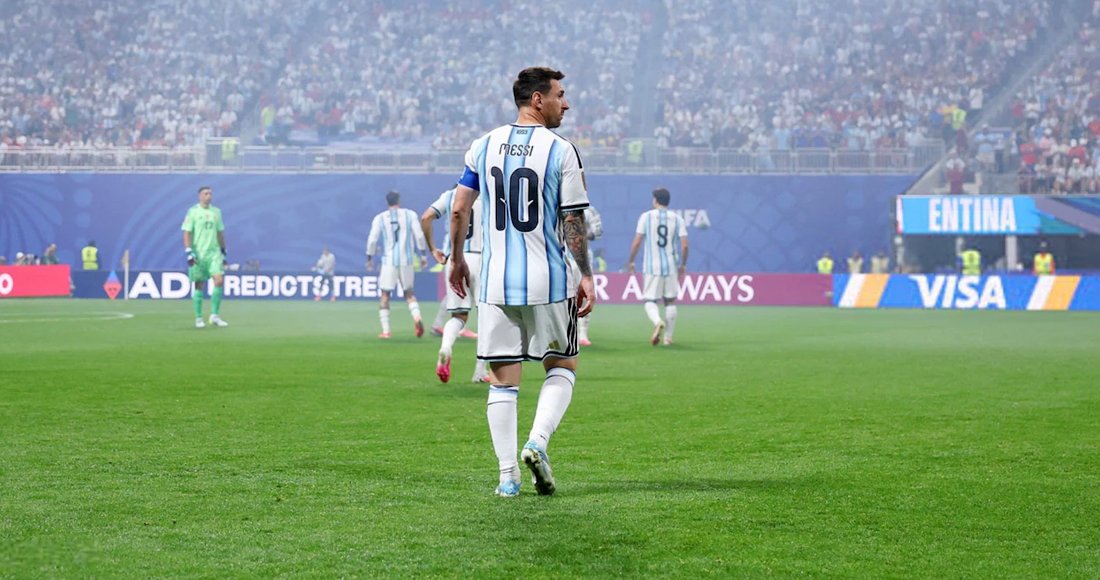
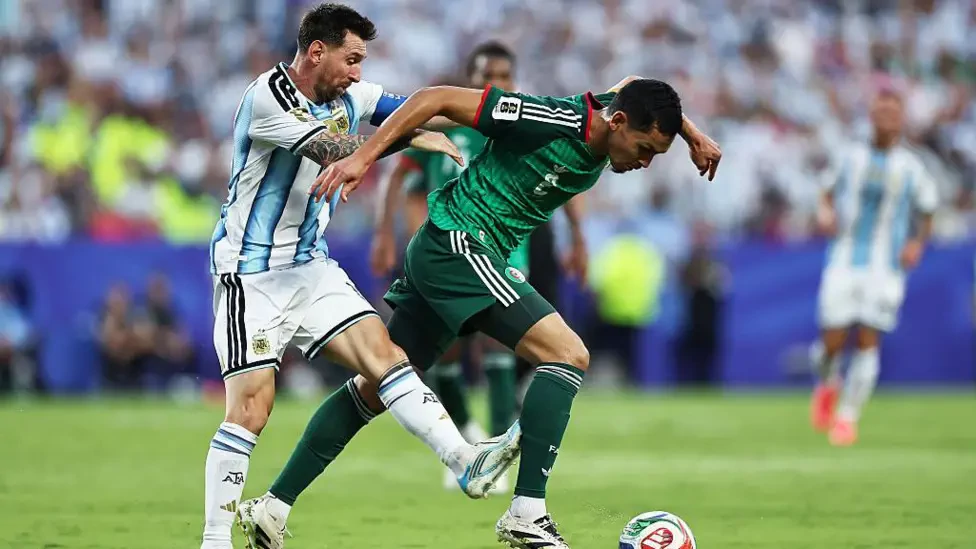
Early in the competition, Messi was not even carded for a tackle on Aissa Mandi.
Later, Florin Balagoun was shown a red card after a VAR review for a similar tackle. In both incidents, the opponent's upper thigh was contacted.
If Messi had been suspended with a red card at that time, he would not have been able to score the five goals he scored against Algeria, Austria, and Jordan.
This raises the question of whether Messi received special treatment, according to reports.
Is Argentina Receiving Fewer Yellow Cards?
Before the quarterfinals, 17 players are at risk of missing the semifinals if they receive one more yellow card. Only Gonzalo Montiel from Argentina is at such risk.
In this competition, Argentina has received one yellow card for every 19.7 fouls.
By this measure, only three teams—Czech Republic, Norway, and Tunisia—have received cards at a lower ratio than Argentina. England, on the other hand, has received a yellow card for every 7.7 fouls.
The statistic that Argentina has committed more fouls than England but received only half the yellow cards raises questions about the referees' behavior. Has FIFA prioritized Messi in the past?
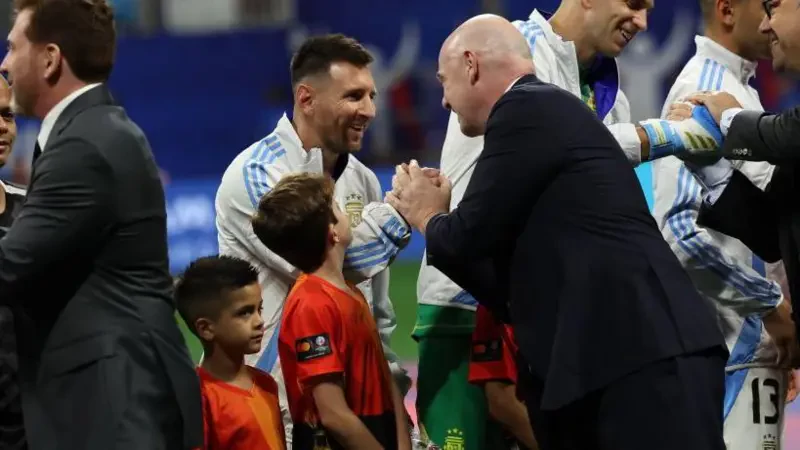
There have been previous accusations that FIFA President Gianni Infantino prefers to see Messi in his tournaments. Last year, in the first Club World Cup in America, Inter Miami was selected to represent the host nation even though they were not the playoff champions.
This gave Messi the opportunity to play in the opening match.
Is the World Cup Draw Also Favorable to Argentina?
In December last year, FIFA made a small but significant change to the World Cup draw structure.
The top four teams in the world rankings (France, Argentina, Spain, and England) were placed in different quarters. This means that if they win their groups, they will not have to play each other before the semifinals.
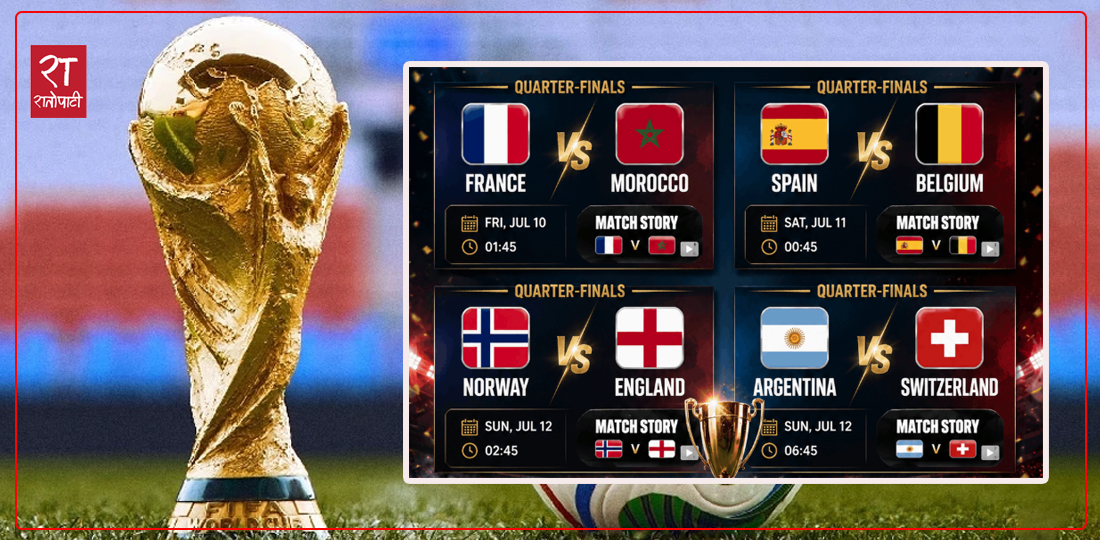
Argentina is facing Cape Verde, ranked 67th in the world, Egypt, ranked 29th, and now Switzerland, ranked 19th, in the knockout stages.
On the other hand, Spain is playing strong teams like Portugal and Belgium, while France is competing against Morocco. Based on this, Argentina appears to have a relatively easier journey compared to other top teams.
Argentina Also Ahead in Penalties
Argentina set a new record by receiving five penalties in the 2022 World Cup. In the 2026 World Cup as well, Argentina is ahead with three penalties. However, Messi has failed to convert two penalties against Austria and Egypt.
England and Switzerland have received two penalties each, while Belgium, France, and Norway have received one each.
This specific news has been automatically translated by AI. As a result, there may be some inaccuracies or language errors.