Human Embryo Gene Editing Shows Promise, Faces Ethical Hurdles

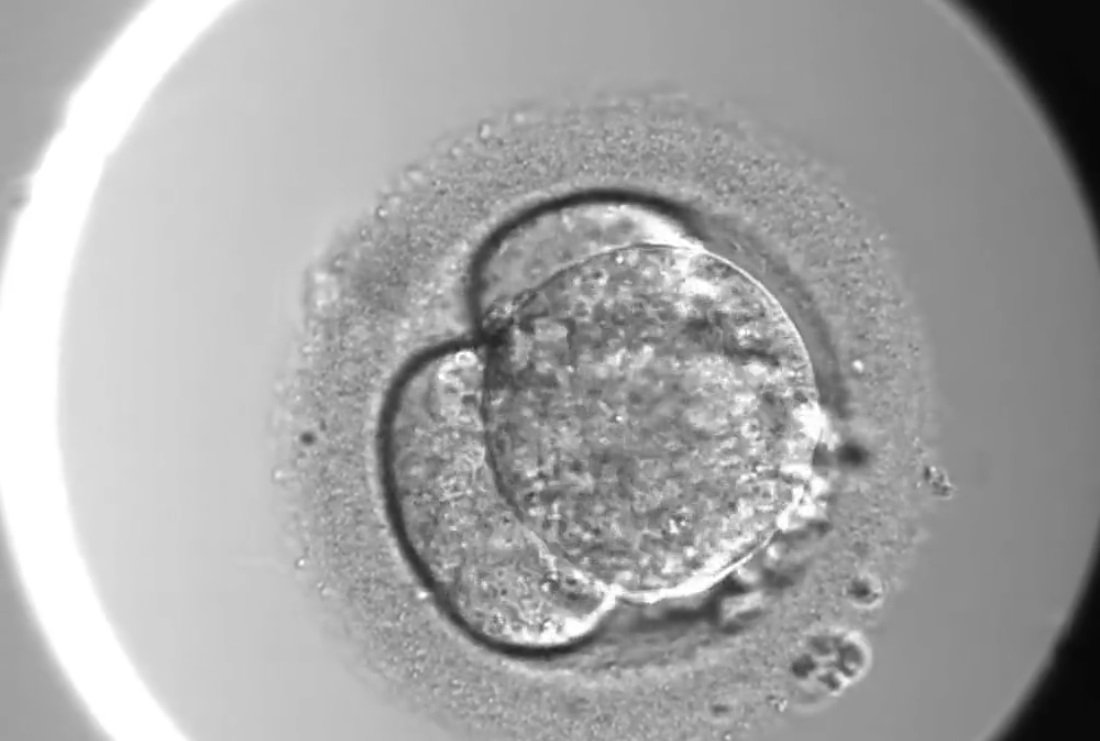
Human embryo germline gene editing technology has opened new possibilities in the scientific field. Two recently published studies have shown that human embryo DNA can be modified with greater precision than before, increasing hopes that gene editing can be used to prevent hereditary diseases in the future. However, scientists have clarified that it is not yet ready for immediate clinical use, stating that many challenges remain regarding safety, scientific reliability, and ethical aspects.
So far, gene editing technology has begun to be used in the treatment of various genetic diseases. It has played an important role in saving the lives of patients suffering from sickle cell disease, certain blood disorders, and other serious genetic problems, and in reducing their suffering. However, even though such treatments provide relief to patients, the possibility of the genetic changes causing the disease in their bodies being passed on to their children remains.
For this reason, scientists have been searching for ways to prevent diseases from being passed on to children by modifying human embryo DNA for years. This is called germline gene editing. Changes made to the genetic structure of embryos through this technology can be passed on to future generations. Therefore, many countries in the world consider it an extremely sensitive issue.
Currently, the act of giving birth to children by editing the genes of human embryos is legally prohibited in about 70 countries worldwide. The long-held view of the scientific community has also been that such technology is currently highly risky. However, two recently published studies have shown significant progress in this area. In the new research, scientists have used an advanced technology called base editing, which can change just one letter (base) of DNA. This appears to make far fewer errors compared to older technologies.
Professor Amanda Clark, a specialist in molecular biology and reproductive science at the University of California, Los Angeles (UCLA), who did not believe human embryo gene editing would be possible a few years ago, said that the latest research has once again shown the possibility of gene editing for therapeutic purposes in embryos created through in vitro fertilization (IVF) in the future. However, Clark was not directly involved in the research.
So far, research on human embryos in the laboratory is limited to very strict regulations. In most countries, research on donated IVF embryos is permitted for a maximum of 14 days. After that, there is a legal provision to destroy the embryos.
From CRISPR to Base Editing
The most talked-about technology in gene editing is CRISPR-Cas9. It has enabled scientists to modify the DNA of living cells. For the development of this technology, two scientists even received the Nobel Prize in Chemistry in 2020. In 2023, the United States approved the first gene therapy based on this technology for sickle cell disease.
However, CRISPR-Cas9 is not considered completely safe. It can sometimes cause large-scale unexpected changes during DNA cutting. In some cases, there is a risk of entire chromosomes being lost. It was due to this risk that scientists worldwide strongly criticized Chinese scientist He Jiankui when he announced the birth of two gene-edited babies in 2018. He claimed to have edited genes in embryos to make them resistant to the HIV virus. Following that incident, he was sentenced to three years in prison in 2019.
New Technology 'Base Editing'
Base editing technology, at the center of the new research, changes only one letter of DNA. It does not require cutting the DNA, which significantly reduces the possibility of unexpected damage. The first clinical use of this technology was in a British teenager in 2022. She had a severe form of leukemia, and all other treatments had failed. Doctors then used base editing to modify her immune system cells. Since then, eight more children and two adults have received this treatment. Last year, doctors also used this technology to treat a newborn with a rare genetic disorder, CPS-1 deficiency.
New Success in Human Embryos
In the recent two studies, base editing was used on early-stage human embryos donated through the IVF process. A team led by Professor Kathy Niakan, a reproductive biology expert at Cambridge University, studied the role of the NANOG gene, which is crucial for embryo development.
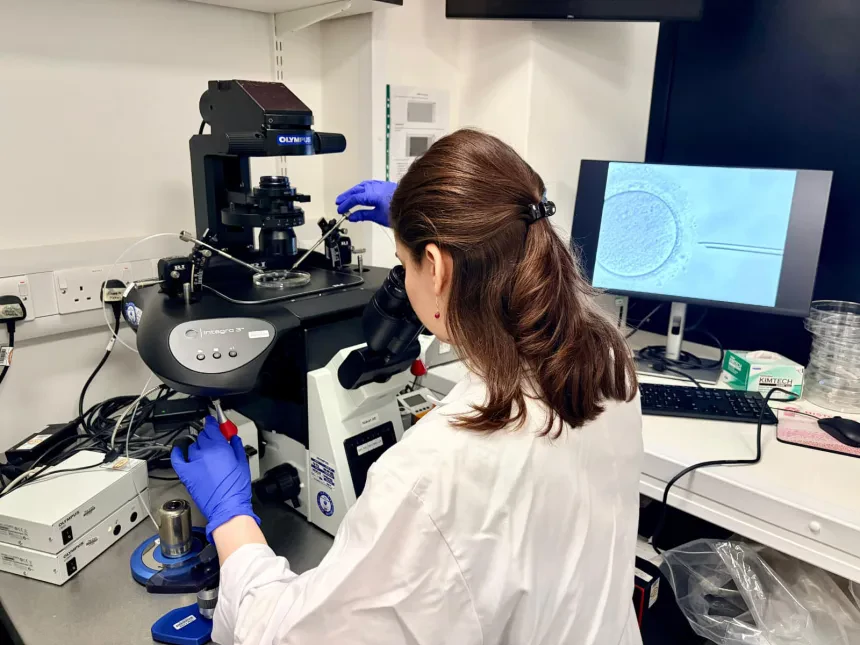
They concluded that the NANOG gene plays a significant role in the process of how embryos and placentas develop from early embryonic cells. This research was published in the prestigious scientific journal Nature. According to Niakan, the human genome has about three billion DNA bases (base pairs), and being able to change just one base with extreme precision is an extraordinary scientific achievement.
On the other hand, a team led by Dietrich Egli, a developmental biology expert at Columbia University, made changes to two important genes. One is the PCSK9 gene, which controls cholesterol. The other is the HBG gene, which is related to the production of embryonic hemoglobin. According to Egli, these genes were chosen for research because they had already been well-studied in other gene therapies.
Major Challenges Still Remain
Although both research teams acknowledged significant progress, they stated that clinical application is still a long way off. The biggest problem observed in the research was mosaicism. This means that gene editing did not occur uniformly in all cells of the same embryo. Some cells were modified, while others were not.
In addition, off-target effects were also observed in some cases. That is, other genes that were not intended to be modified were also affected. Such errors are considered extremely serious in human embryos, as all organs and cells of the body develop from a single embryo in the future. Egli described this research as merely
This specific news has been automatically translated by AI. As a result, there may be some inaccuracies or language errors.