European Teams Dominate 2026 World Cup Knockout Stages

Kathmandu. Historically, European teams' performance in World Cups held outside Europe has not been particularly impressive. Since 1930, European teams have only won World Cups held outside Europe twice. Spain won in South Africa in 2010 and Germany won in Brazil in 2014.
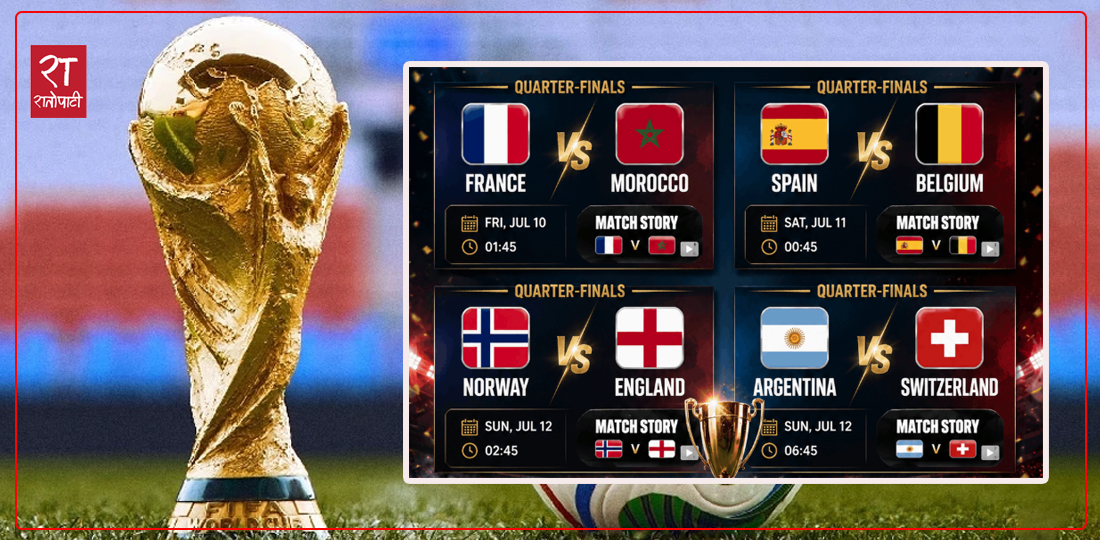
However, in the 2026 World Cup, the possibility of another European nation being added to that list appears very strong. Of the eight teams that reached the quarterfinals, 6 teams are from Europe. Those teams are Belgium, England, France, Norway, Spain, and Switzerland.
The remaining two spots are occupied by Argentina and Morocco. This is the first time since 1994 that so many European teams have reached the quarterfinals of a World Cup held outside Europe.
Are European teams really that strong?
As the tournament progresses, the performance of European teams has continuously improved. However, their weak performance at the start surprised many.
Seven out of the first ten European teams to play their first group stage match failed to win.
Before the tournament began, the extreme heat in North America was the main topic of discussion. Some teams, including England, held their training camps in hot regions to acclimatize to the heat before their opening matches.
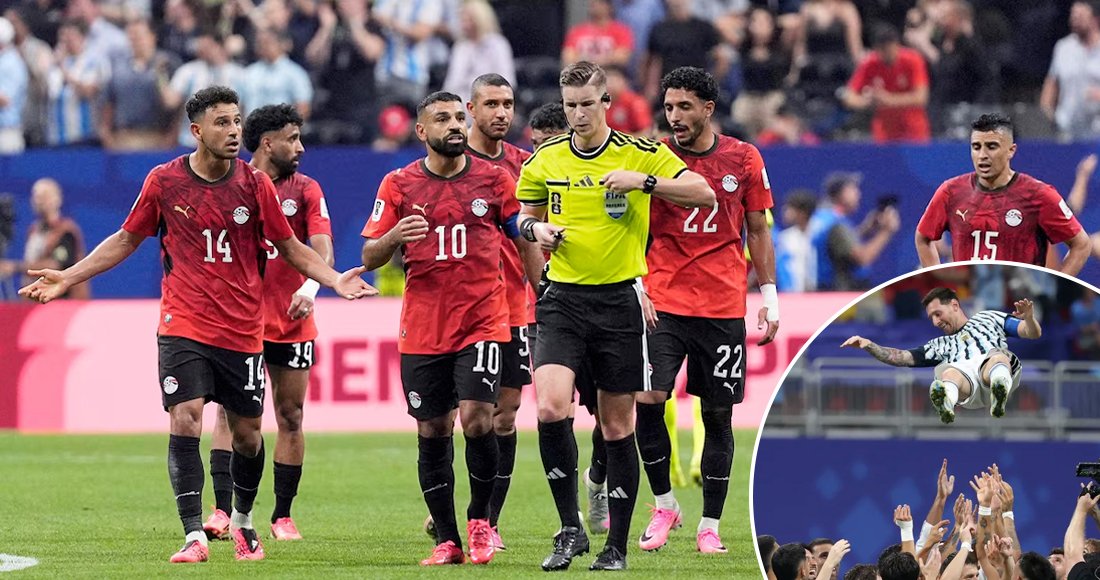
However, most coaches did not blame the weather for the poor initial performance. After drawing with Egypt, Belgium's coach Rudi Garcia said, 'Whether it's 10 degrees or 30 degrees, we should have played better.'
After drawing 1-1 with Qatar, Switzerland's coach Murat Yakin also cited his players' inability to capitalize on chances as the reason, rather than the weather. But as the tournament progressed, European teams found their true rhythm. By the end of the group stage, European teams had achieved 17 wins, 12 draws, and seven losses against non-European teams.
Excellent performance even in difficult circumstances
In the knockout stages, European teams have also shown the ability to cope with adverse conditions. England's match against Mexico in the Azteca Stadium in the Round of 16 was considered very challenging. Despite the high altitude and intense pressure from the home crowd, England put in an excellent, hard-fought performance to secure a place in the quarterfinals.
Former England striker Wayne Rooney told BBC Sport, 'This game has proven that England has a team capable of winning the World Cup. This victory has greatly boosted the players' confidence.'
Meanwhile, France reached the last eight by overcoming Paraguay's time-wasting tactics and psychological pressure, while Belgium clearly defeated co-hosts USA amidst huge pressure from the home crowd.
Now, Belgium will compete against European champions Spain for a place in the semifinals. Former England defender Matt Upson said, 'Belgium's performance was encouraging. But they will have to show an even higher level of play against Spain's excellent midfield.'
Was it natural for so many European teams to advance?
Yes, it was predicted that Europe's representation in the World Cup would be strong, as 16 spots in the World Cup are allocated to Europe, which is more than any other continent. But this time, with the tournament expanded to 48 teams and an additional knockout stage, European teams have established such dominance that they have achieved good results in the knockout stages.
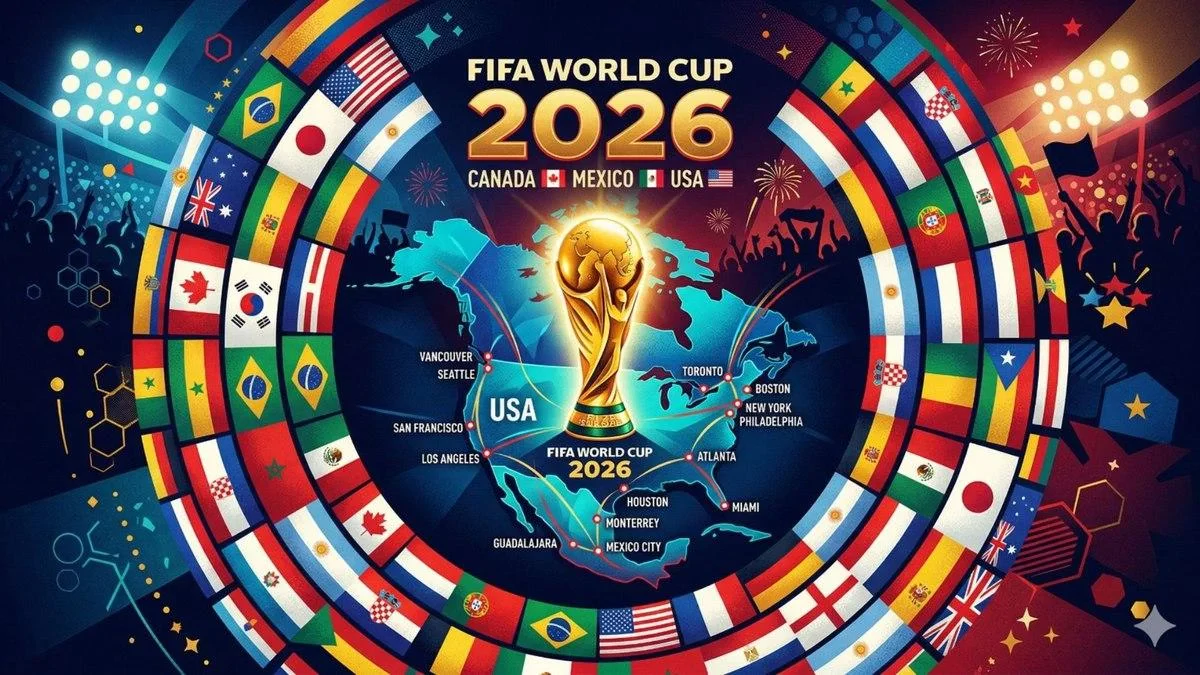
Five-time world champions Brazil are out of the tournament, while co-hosts Canada, Mexico, and USA have all been eliminated from the Round of 16. Europe's dominance is also evident in the FIFA world rankings. Five of the top eight teams are from Europe, and four of them have reached the quarterfinals. Portugal, ranked seventh, was defeated by Spain in the Round of 16.
Before the tournament began, many considered France the main favorite for the title, and they have proven it so far. Striker Kylian Mbappé is one of the main contenders for the Golden Boot with seven goals. Former England midfielder Danny Murphy said, 'Looking at France's attacking line, it's hard to ignore them. Players like Rian Cherki, Ousmane Dembélé, or Désiré Doué can come off the bench and change the outcome of the game against tired opponents in extra time.'
Former French defender Gaël Clichy said, 'In my opinion, France, Spain, and England are the strongest teams. Spain wins titles at every age group, so they are also contenders. But being French, I choose France.'
Unexpected teams have also surprised everyone
It was not surprising for many that teams like France, Spain, and England reached the quarterfinals. But some European teams have performed much better than expected.
Norway's spectacular comeback
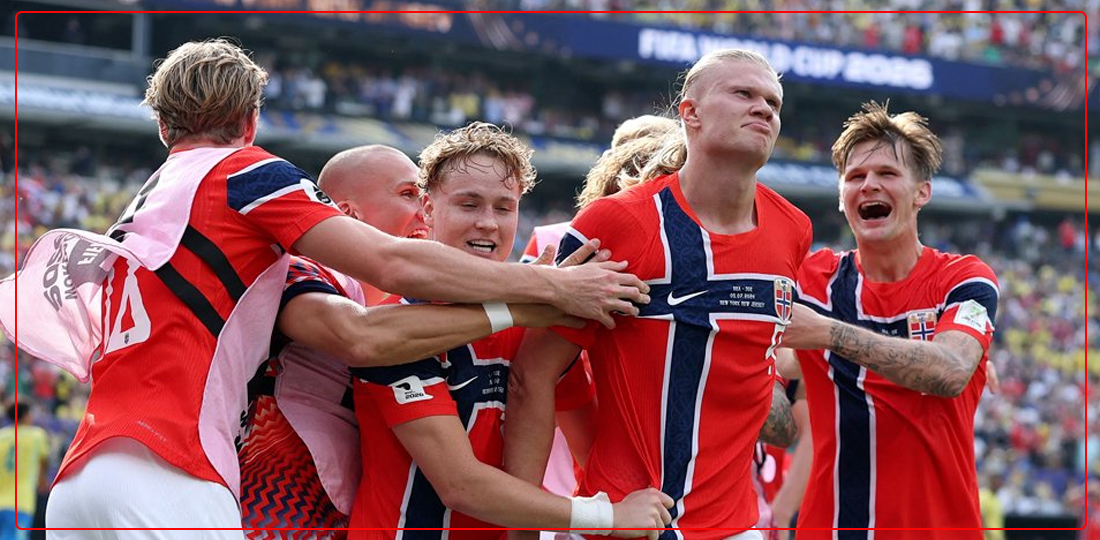
Norway, playing in the World Cup for the first time since 1998, is performing excellently. The main reason for this is the explosive play of Erling Haaland.
Manchester City striker Haaland has already scored seven goals in the tournament so far and will be looking to increase his goal tally against England on Saturday.
Switzerland makes history
Switzerland has also attracted everyone's attention with its excellent performance. The team reached the quarterfinals by successfully facing the intense pressure of a penalty shootout against Colombia in the Round of 16.
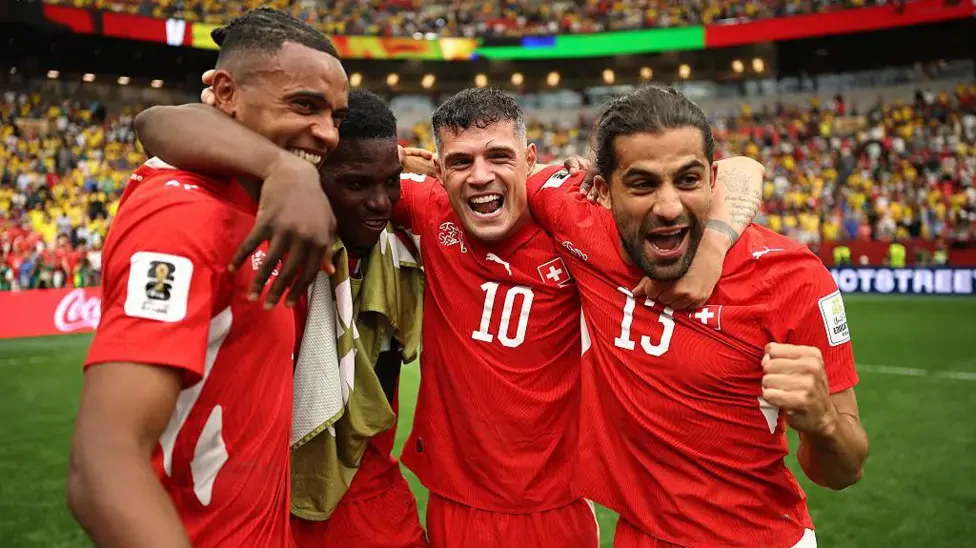
With this victory, Murat Yakin's team has reached the quarterfinals of the World Cup for the first time since 1954. However, a difficult challenge lies ahead of them. In the quarterfinals, they will face defending champions Argentina.
Yakin said, 'This is a historic moment for Switzerland. We have achieved our best result in the World Cup so far. But our journey is not over yet.'
Indeed, the journey is not over yet. European teams are now aiming to maintain their excellent form and create another European champion in a World Cup held outside Europe, a rare occurrence.
This specific news has been automatically translated by AI. As a result, there may be some inaccuracies or language errors.