IPPAN Chairman Mohan Kumar Dangi Discusses Private Sector Role in Nepal's Electricity Sector

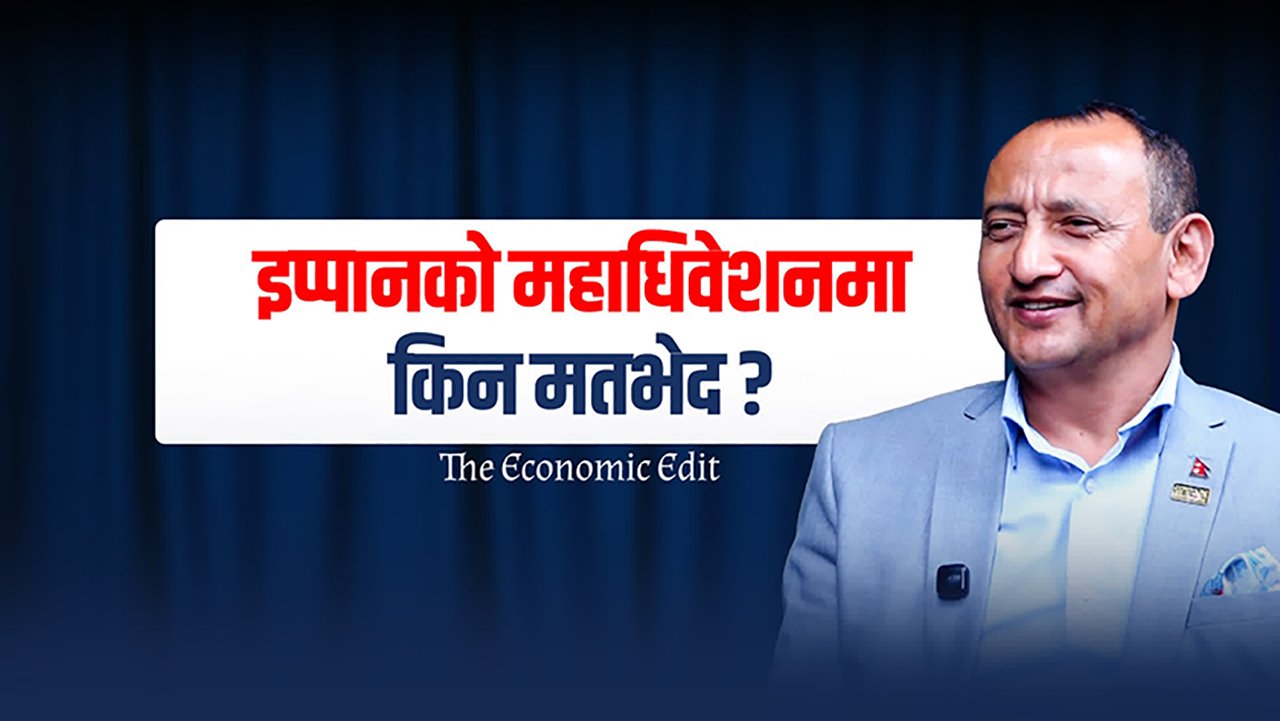
Kathmandu. The current government has set a target of generating 30,500 megawatts of electricity in the next 10 years, a goal that the private sector also supports. The private sector's share in the approximately 2,700 megawatts of electricity currently connected to the national grid (out of a total installed capacity of 4,296 MW, currently in operation) is 80 percent.
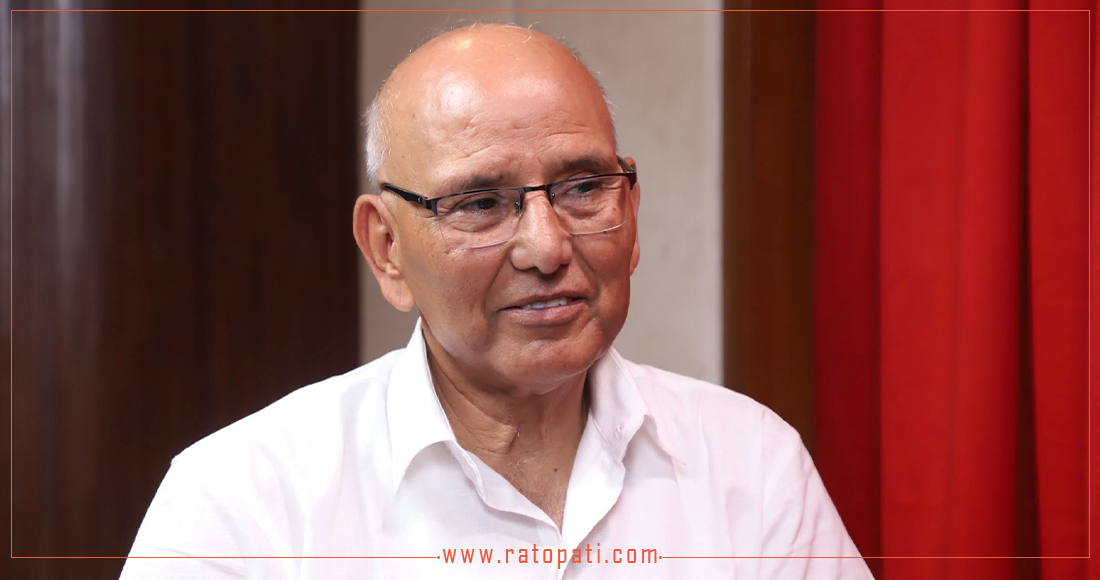
Although the government announced in the budget its intention to involve the private sector in electricity trade and transmission lines, the licensing process has not yet moved forward. Focusing on this issue, in Ratopati's 'Economic Edit', an edited excerpt of an interview with the newly elected chairman of IPPAN, Mohan Kumar Dangi (the full video can be watched and listened to):
What were the ideological differences seen in IPPAN's general convention, and what is the current state within the organization?
In a dynamic organization, debates and disagreements are natural when practicing internal democracy. IPPAN has over 800 affiliated companies. Some colleagues had different opinions regarding the interpretation of the bylaws, but now we are all united under one agenda. IPPAN is a common platform for entrepreneurs; there is no major dispute here. The executive committee has been formed by including all factions.
What new provisions have been made in the bylaws this time?
We have made the bylaws timely and inclusive. Previously, there were very strict provisions to come to leadership, which have now been made flexible. Now, a person who has served on the executive committee for at least one term will be eligible for the chairmanship. This will make it easier for the new generation to come into leadership. Additionally, a decision has been made to fully automate the secretariat.
How does the private sector view the upcoming fiscal year's budget?
Answer: We have mixed reactions to the budget. The implementation of the 10,000 MW export agreement with India, the allocation of 70 billion for transmission lines, and aspects like battery storage are positive. However, with the priority given only to projects below 10 MW for PPA, the future of larger projects is uncertain. It remains to be seen how the policy announcements will be implemented in practice.
How ready is the private sector for electricity trade?
We are fully ready. Seven companies have applied for licenses, and trade agreements have even been made with Indian companies. We have international reach, investment, and technical knowledge. If the government untangles the licensing knot, the market will become competitive, benefiting both producers and consumers.
What is your opinion on the government's preparation to take action against those who keep 'rivers in their bags'?
'Rivers in bags' is old news now. Currently, holding licenses does not benefit anyone, as studies alone cost millions. Action should be taken against those who do not work, but the reasons why work is stopped must also be examined. If work is stopped due to forest clearance, local obstruction, or lack of transmission lines, the government must take responsibility.
The Electricity Authority claims that the 'take or pay' provision will lead to losses?
This is a misconception. The Authority buys electricity from the private sector at an average of 5.52 rupees and sells it to consumers at 10-11 rupees; this is a profitable business. 'Take or pay' is an international practice. Investors have to repay bank loans, so the assurance of electricity purchase is mandatory. The Authority should focus on strengthening its transmission system and marketization; it cannot escape by blaming the private sector.
How is the forest administration hindering hydropower development?
It feels like there are two 'governments' in Nepal: one is the 'Government of Nepal,' and the other is the 'Forest Government.' Waiting for years to cut a single tree and the rule of planting 25 trees for every one cut is impractical. Lack of land and cumbersome procedures risk limiting ambitious goals to mere talk. The problem will not be solved until a 'one-window' system becomes effective.
Electricity export or domestic consumption, what should be the priority?
The first priority should always be domestic consumption. Domestic consumption has a greater 'chain effect' on the economy. However, it is wise to export surplus electricity during the monsoon rather than letting it go to waste. Therefore, consumption and export must go hand in hand.
What will be the role of the private sector in achieving the government's target of 30,000 MW?
Although the target is ambitious, it is not impossible. However, it is not achievable with 'business as usual.' Policy leaps are necessary. If forest, land, and environmental problems are resolved, PPAs are opened, and the private sector is involved in transmission lines, we can add 20,000 MW in 10 years.
There is an accusation that the private sector inflates costs and only seeks profit?
This is completely false. The private sector is completing projects at 200 million per megawatt, whereas the cost of government projects reaches 500-600 million. Due to bank interest and time pressure, we work quickly and cheaply. Many promoters are currently in trouble because they cannot pay bank interest; we should be seen as partners in prosperity.
As chairman, what are your main priorities?
My first priority is policy advocacy to make the Electricity Act private sector-friendly and to resolve forest-related complications. Second, to ensure the entry of the private sector into electricity trade and transmission lines. Third, to strengthen and make IPPAN institutionally robust and transparent, and fourth, to solve the problems of projects where PPAs are halted and ensure the security of investors are my goals.
Video/Photo: MANOJ KHADKA/RATOPATI
This specific news has been automatically translated by AI. As a result, there may be some inaccuracies or language errors.



_TqAiZajEEB.jpg)