Nepal Government Prepares New Electricity Tariff Structure with Seasonal Pricing

Kathmandu. The Government of Nepal has started preparations to revise the current electricity tariff structure and set new tariff rates.
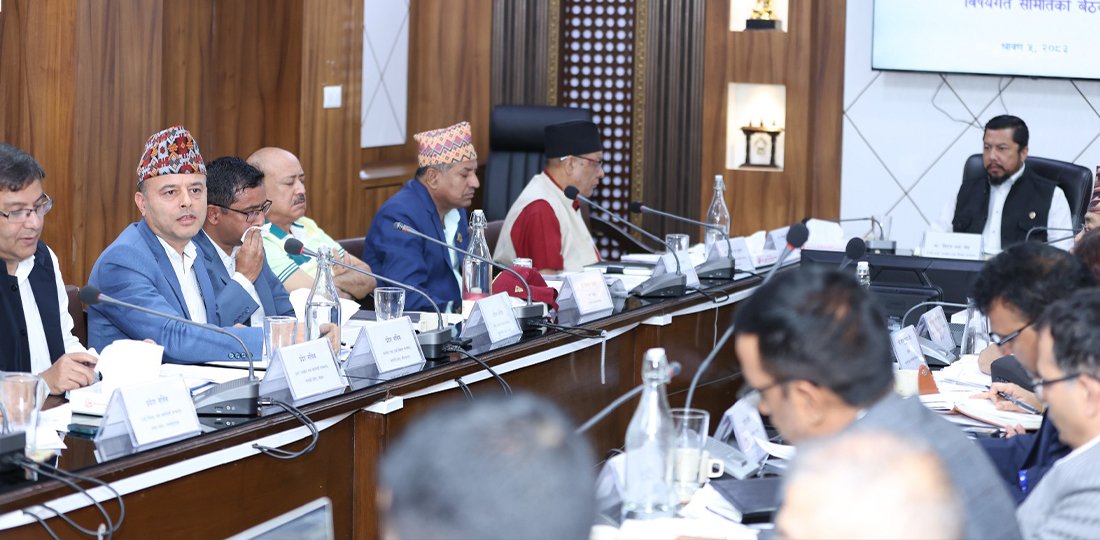
Intensive discussions are underway between the Ministry of Energy, Water Resources and Irrigation, Nepal Electricity Authority, and the Electricity Regulatory Commission on this matter. The main feature of this adjustment is the implementation of the 'seasonal tariff' system, under which the price of electricity will differ for the rainy season and the dry season.
The government has been working on a plan to set electricity prices cheaper during the rainy season and according to demand during the dry season. During the monsoon, there is a problem of a large amount of electricity going to waste as electricity is produced in abundance from hydropower projects in Nepal, but domestic consumption does not increase proportionally. Keeping this in mind, the government's strategy is to make electricity available to consumers at a cheaper price during the rainy season to increase consumption. During the dry season, as the water flow in the rivers decreases and production declines, and there is a need to import electricity from India, the price will be set accordingly.
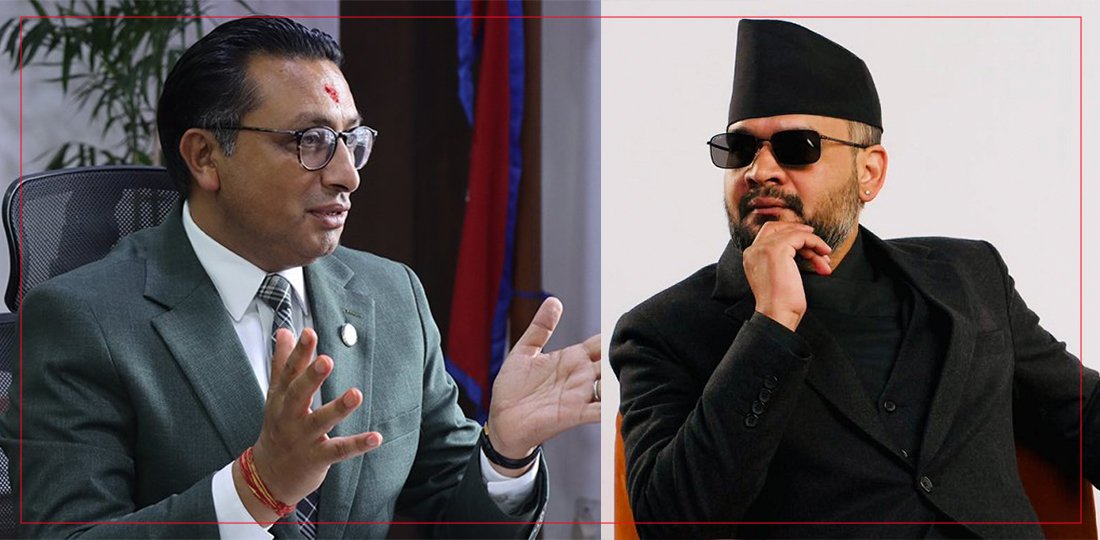
The government announced in the budget for the upcoming fiscal year 2083/84 that a 5 percent value-added tax (VAT) will be imposed on domestic customers consuming more than 50 units of electricity. This proposal, introduced by Finance Minister Dr. Swarnim Wagle, is facing strong opposition from parliament to the streets. Lawmakers have criticized that the tax is being imposed on the middle-class families, which is contrary to the government's policy of promoting electric stoves and electric vehicles.
To mitigate this opposition, Finance Minister Wagle has adopted a new strategy. He has announced that even though a 5 percent VAT is applied to electricity, consumers will be provided relief by adjusting the tariff. According to the Finance Minister, the impact of VAT will be minimal if the tariff is reduced during the rainy season. He has also indicated that the 50-unit limit could be increased to 100 or 150 units. The government argues that despite the 5 percent tax, the actual impact will be only 3 to 4 percent due to various discounts, and the additional burden of 20 to 22 rupees on the monthly bill will be compensated by the cheaper tariff during the rainy season.
Technical and Legal Complexities
Although the Finance Minister has announced the tariff adjustment, there are some technical and legal hurdles in its implementation. The Ministry of Finance does not have the final authority to determine electricity tariffs. According to the Electricity Act 2049 and the Electricity Regulatory Commission Act, the Electricity Regulatory Commission adjusts the tariff based on the proposal of the Nepal Electricity Authority.
This process has become uncertain because the Electricity Regulatory Commission is currently without office bearers (leadership). According to the acting executive director of the authority, Dirgha Shrestha, first, the board of directors of the authority must prepare a proposal related to the tariff, which, after being approved by the board, is sent to the Regulatory Commission. The commission has a provision to approve the new rate only after public hearings and consultations with stakeholders.
Shrestha said, 'The Electricity Regulatory Commission has the final authority to determine electricity tariffs. Currently, as there is no leadership (office bearers) in the commission, no formal discussion on this matter has progressed.' The process is technically stalled until the commission is fully constituted.
When were electricity tariffs determined?
The history of electricity tariff adjustment is not very long. However, in the past, tariffs were increased when the financial condition of the electricity authority was weak, or reduced to increase consumption.
The government's largest price hike, which significantly burdened consumers, occurred in July 2073 BS. The then Electricity Tariff Determination Commission had imposed a heavy increase of an average of 18.35 to 19 percent in the tariff rates effective from July 2073 BS.
At that time, the electricity authority was in severe financial crisis and was compelled to manage load shedding by importing expensive electricity from India. After that increase, the rate for 5 Ampere customers for consumption between 51 to 150 units was increased to 10 rupees per unit, and a steep price of up to 13 rupees was set for those consuming more than 400 units. Before that, as the tariff remained stable for 11 years from 2058 to 2069 BS, the tariff was increased by an average of 20 percent in 2069 BS.
However, in recent years, with the increase in electricity production in Nepal, the trend of reducing tariffs has begun. Since the establishment of the Electricity Regulatory Commission, the tariff rates have been reduced twice. The current tariff rate adjusted in November 2078 BS provided relief to many consumers. At that time, the energy charge for ultra-poor customers consuming up to 20 units was made free, and only the minimum service charge was set at 30 rupees.
For those consuming more than 400 units, the rate per unit was reduced by 1 rupee to 11 rupees. Before that, in 2077 BS, the commission had also reduced the tariff by an average of 10 percent.
Current Tariff Structure and Concessions
The currently implemented tariff system has set different rates for different levels of consumers. Customers with a 5 Ampere single-phase meter have to pay 3 rupees per unit and a demand charge of 30 rupees for consumption between 11 to 20 units.
Those consuming 21 to 30 units have to pay 6.50 rupees per unit, those consuming 31 to 50 units have to pay 8 rupees per unit, and for consumption between 51 to 100 units, the tariff is 9.5 rupees per unit. Similarly, for consumption between 151 to 250 units, the rate is 10 rupees, and domestic customers consuming more than 400 units of electricity are paying 12 rupees per unit.
The government has made some significant improvements in areas other than domestic customers. The additional tariff for dedicated and trunk lines has been abolished, providing significant relief to industrial customers. The demand charge for community drinking water and irrigation customers has been completely removed. The energy charge for drinking water has been reduced from 5.20 rupees to 4.20 rupees. To encourage electric vehicles, a special low rate has been set for charging stations. Charging between 11 PM and 5 AM costs only 4.20 rupees per unit.
Why is Seasonal Adjustment Necessary?
In Nepal, electricity generation capacity is now reaching around 4,300 megawatts during the rainy season. However, due to the inability of domestic consumption to increase proportionally during the monsoon, electricity worth billions of rupees is at risk of going to waste. On the other hand, during winter, the problem of reduced production due to low river flow and the need to import from India still remains.
According to the government's new strategy, as stated by the Finance Minister, the plan is to significantly reduce the tariff during the rainy season to encourage people to use induction stoves instead of gas and electric vehicles instead of petrol vehicles.
As claimed by the Finance Minister in parliament, if the tariff rate is significantly reduced in the rainy season, consumers will not feel the impact of the 5 percent VAT introduced in the budget. Although the government's proposal for tariff adjustment is positive, there are legal and structural challenges for its implementation. First, office bearers must be appointed to the Electricity Regulatory Commission. Then, the new rate will be implemented only after public hearings on the proposal submitted by the authority. In previous years, electricity consumption increased when tariffs were reduced.
This specific news has been automatically translated by AI. As a result, there may be some inaccuracies or language errors.