Stakeholders Demand Cooperative Spirit in Water and Renewable Energy Bills

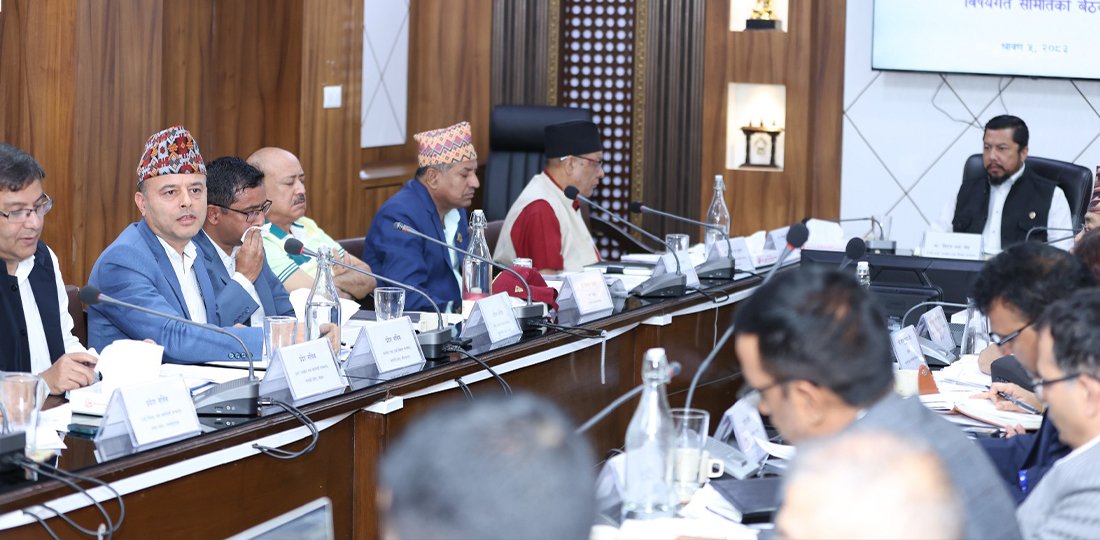
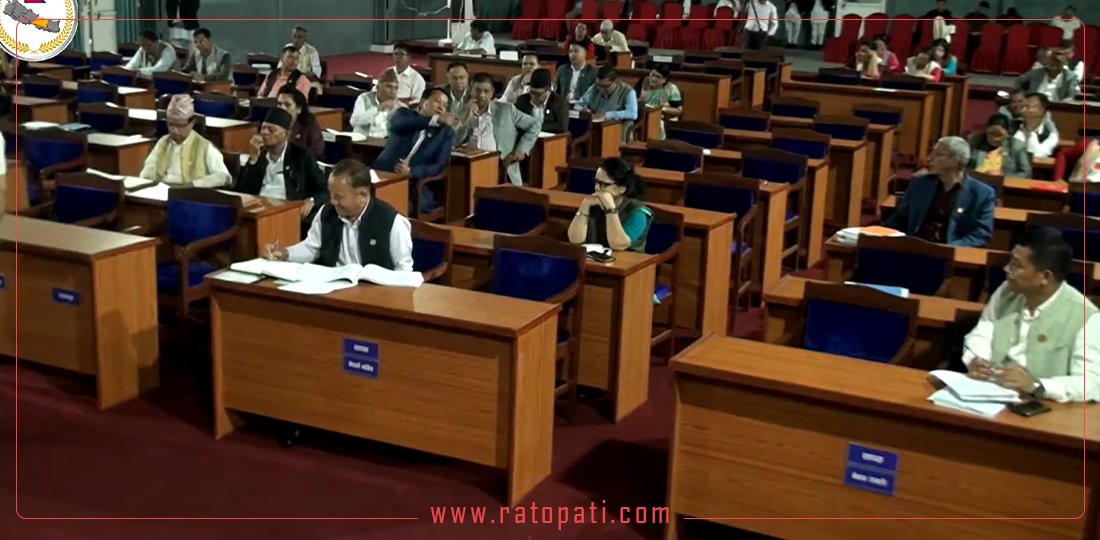
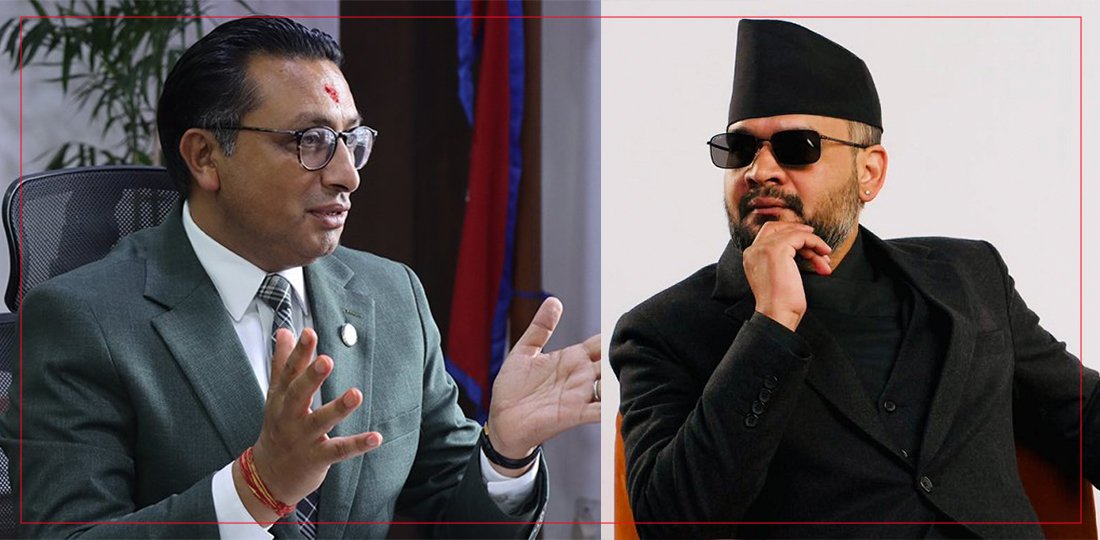
Kathmandu. Stakeholders have demanded that the Water Resources Bill and the Renewable Energy and Energy Efficiency Bill be drafted in accordance with the spirit of cooperation, coordination, and coexistence envisioned by the Constitution of Nepal. They made such demands during a thematic committee meeting held at the Ministry of Energy, Water Resources and Irrigation on Tuesday regarding the Water Resources Bill and the Renewable Energy and Energy Efficiency Bill. The ministry has prioritized these two bills in the energy and water resources sector and is seeking opinions from all three tiers of government. Representatives from provincial and local governments sought clarity on ownership and management of resources during discussions at the ministry. Representatives from the energy and water resources ministries of the seven provinces sought clarity on ownership and management of resources. They demanded that the rights and jurisdiction of the provincial and local governments be clarified in every law and policy formulated by the federal government. The provincial ministers demanded uniformity in the laws made by the federal and provincial governments during the meeting. They complained that it was difficult to work due to the lack of clarity in the law, stating that the provincial governments were working in line with the spirit of federalism. Similarly, Mayor Gopal Hamal of Dhangadhi Sub-Metropolitan City also stated that the law should be drafted in a way that is acceptable to all three tiers. He pointed out the need for clarity in the law regarding the distribution and utilization of water resources. He said, 'The law itself is causing problems in the distribution of water resources. Drafting laws with defined jurisdictions will be in line with the spirit of federalism.' After listening to the representatives of the provincial and local governments, Minister of Energy, Water Resources and Irrigation, Biraj Bhakta Shrestha, said that the dialogue was held to ensure that the law is drafted without compromising the spirit of federalism. He said, 'We are drafting laws not only for the bureaucracy but also to conserve resources for future generations. The spirit of federalism and local ownership will be incorporated most importantly.' Jurisdiction Dispute: Stream Order and Irrigation Limits The Water Resources Bill has seen the most debate centered on the classification of rivers and the limits of irrigation projects. Purnabahadur Oli, Secretary of Energy in Lumbini Province, stated during the discussion that it is necessary to classify rivers and define the limits of irrigation projects. According to him, determining which river belongs to the province and which to the federal government based on stream order is scientific, but challenging in practice. Narrating the experience of Lumbini Province, Secretary Oli said, 'Currently, it is said that the federal government will look after rivers of stream order 4 and above, the province will look after stream order 3, and local levels will look after stream orders 1-2. However, the maps and data indicating which river is of which order have not reached the local levels. This could lead to conflicts in the future regarding who will work on which river.' In terms of irrigation, provinces have demanded the right to manage projects smaller than 200 hectares themselves. Sarita Dwadi, Secretary at the Ministry of Energy, emphasized the need to balance the capacity of the provinces and the responsibilities of the federal government. She stated that clear legal criteria are necessary to prevent duplication of projects. According to Secretary Dwadi, although projects up to 5,000 hectares have been transferred to the provinces, attention still needs to be paid to the efficiency and staff management of these offices. In response to their points, Minister Biraj Bhakta Shrestha argued that irrigation should not be limited to digging canals. 'Irrigation is not an end in itself; it should increase agricultural production,' said Minister Shrestha. 'We have studied the impact of adding agricultural components to large projects like Rani Jamara Kuleria and the problems that arise when they are not added. Future irrigation plans should be interconnected with agriculture.' He also expressed concern about the utilization of water in downstream areas. He pledged to draft laws that include the concept of water audit to address the water crisis seen particularly in Madhesh and Sudurpashim. Renewable Energy: Local Self-Sufficiency and Energy Efficiency The role of provincial and local governments was also debated in the Renewable Energy Bill. The Director General of Renewable Energy particularly emphasized energy efficiency. 'Currently, Nepal experiences 12.6 percent energy leakage or loss. We can save a lot of energy through small measures like labeling appliances and setting minimum temperature limits (e.g., 22 degrees Celsius for AC),' said Energy Minister Shrestha. Suggestions were made to broaden the definition of renewable energy in the bill and to start pilot projects to make local governments energy self-sufficient. Maheshwar Shrestha, Head of the Planning Division at the Ministry and Member Secretary of the thematic committee, stated that the share of all three tiers of government in carbon trading and the distribution of its benefits should be clarified. Minister Shrestha asked, 'We have seen the success of community forests; why not bring the concept of community rivers?' According to him, making local communities responsible for river conservation, sand and gravel management, and biodiversity protection would be more effective. Similarly, citing the example of Rani Jamara Kuleria, he said that irrigation systems built by indigenous communities hundreds of years ago are superior to modern engineering, and therefore, a clause to protect 'indigenous and traditional knowledge' should be added to the bill. Developing the Commission into a Knowledge Center The draft of the bill is being prepared to develop the secretariat of the Water and Energy Commission not just as an administrative body but as a knowledge center. Maheshwar Shrestha, Head of Planning at the Ministry, said, 'When all seven provinces and 753 local levels need technical advice, this commission should function as institutional memory. Therefore, efforts are being made to empower the commission.' The bill also provides for a strong mechanism for resolving water resource disputes. The meeting highlighted the need for a mechanism to resolve disputes that may arise between the federal government and provinces, or between two provinces, over water sharing, in a legal and technical rather than political manner. At the end of the discussion, Minister Shrestha said, 'This bill is not just about black ink and paper; it is a document that addresses water elements and the impacts of climate change. Therefore, we are working on it seriously.' The questions raised by the provincial energy secretaries and the complaints from the local levels indicate that giving rights on paper is not enough; the human resources and budget to implement them must also be transferred. The ministry is now preparing to take both these bills to parliament through the Council of Ministers after obtaining the consent of the Ministry of Law.
This specific news has been automatically translated by AI. As a result, there may be some inaccuracies or language errors.

_kE6hmvuewe.jpg)