Leaders Demand Rights for Marginalized Groups Amidst Constitutional Amendment Debate


Kathmandu. While discussions on constitutional amendment are ongoing, political party leaders have demanded that the rights of marginalized, Dalit, women, and especially persons with disabilities be placed at the center of the new process. They have emphasized that mere political participation is not enough, stressing the need for capacity building, ensuring access, and effective implementation of existing laws. Representatives have collectively pledged to increase state presence and legal activism, citing that some provisions related to fundamental rights in the constitution have yet to be implemented.
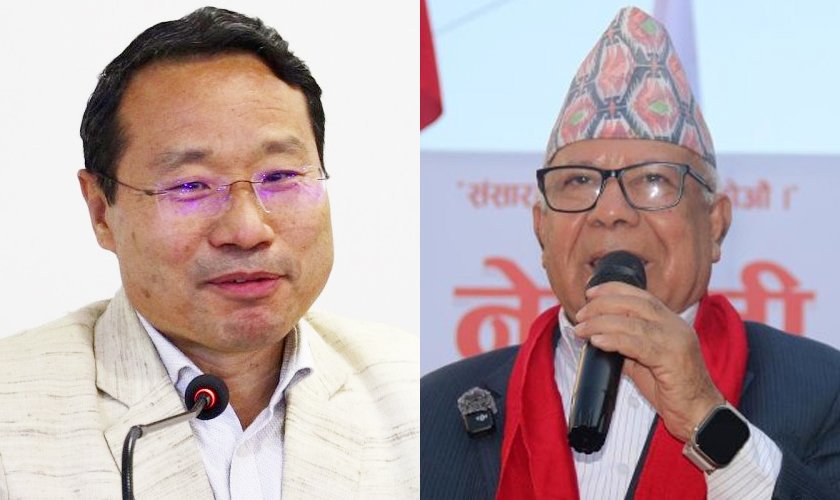
Communist Party leader and former minister Prakash Jwala stated that bringing marginalized, Dalit, women, youth, and persons with disabilities into the mainstream of politics is a necessity today. He believes that a change in social mentality is required to uphold the respect and dignity of these groups. While the rights of persons with disabilities are somewhat ensured in the constitution, he pointed out that the necessary laws for their implementation are not yet disability-friendly.
He clarified that the constitutional provision to review commissions every ten years should not be misinterpreted as a compulsion to amend the constitution itself, and demanded that if the amendment process moves forward, the issues of the marginalized should be prioritized. Leader Jwala said, 'Participation is a basic thing and the bottom line, but it is not everything. It is not enough to make ten MPs instead of five; their capacity building and establishing access to state bodies are equally important.'
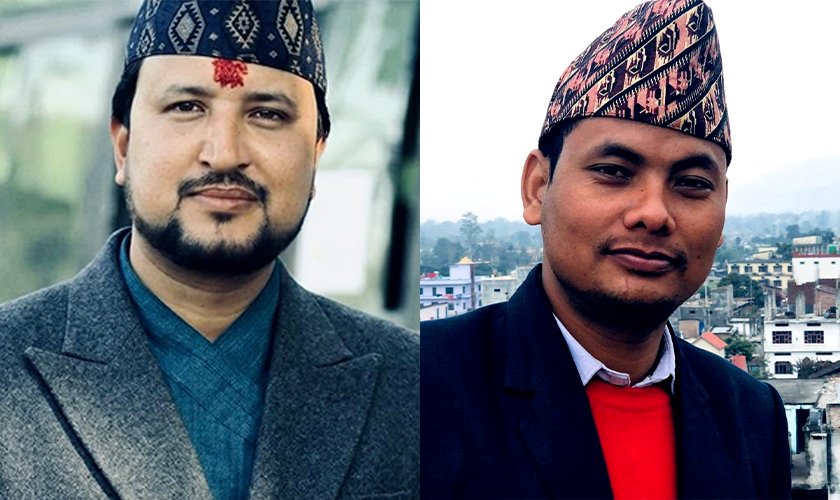
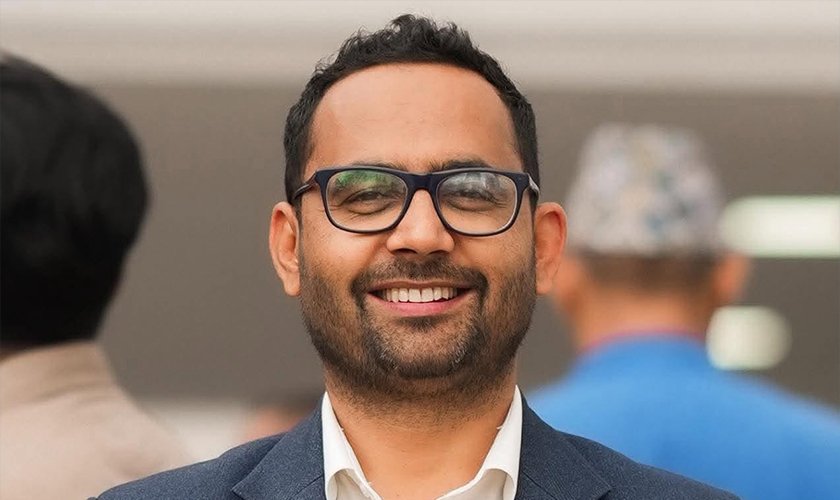
Nepali Congress MP Madan Krishna Shrestha expressed concern that despite the existence of laws, their non-implementation forces particularly severely disabled citizens in remote areas to live extremely difficult lives. He drew the government's attention to the immediate implementation of the legal provision for providing assistants for the care of severely disabled persons.
He argued that the model of keeping persons with disabilities separate from family and society in rehabilitation centers is not effective, emphasizing that mandatory representation of persons with disabilities should be ensured at the local level. MP Shrestha said, 'Although provisioned in the act, it has not been implemented. We had requested to start this work as a pilot project with at least 5-10 people. An agreement was also reached between the ministry and activist Deepak Bhandari on this matter, but the agreement could not be implemented because the Ministry of Finance did not release the budget.'
CPN (UML) MP Yashoda Kumari Baral demanded the formation of a separate constitutional body or an 'Disability Commission' to ensure the rights of persons with disabilities. Stating that a mere branch or department is not enough, she informed that she, along with four other MPs with disabilities in the federal parliament, are collectively coordinating and raising this issue in the house.
She stressed the need to change society's 'poor' perspective towards persons with disabilities and move forward with a rights-based approach. MP Baral said, 'We no longer need to rely on others to speak for us; we are capable ourselves. However, it is necessary to make other non-disabled MPs sensitive to this issue and understand the realities of this sector.' She added, 'It has been observed that capable individuals are misusing disability identity cards to avail reservation facilities in areas like public service. An environment must be created where only genuinely disabled individuals receive state facilities by ending such malpractices.'
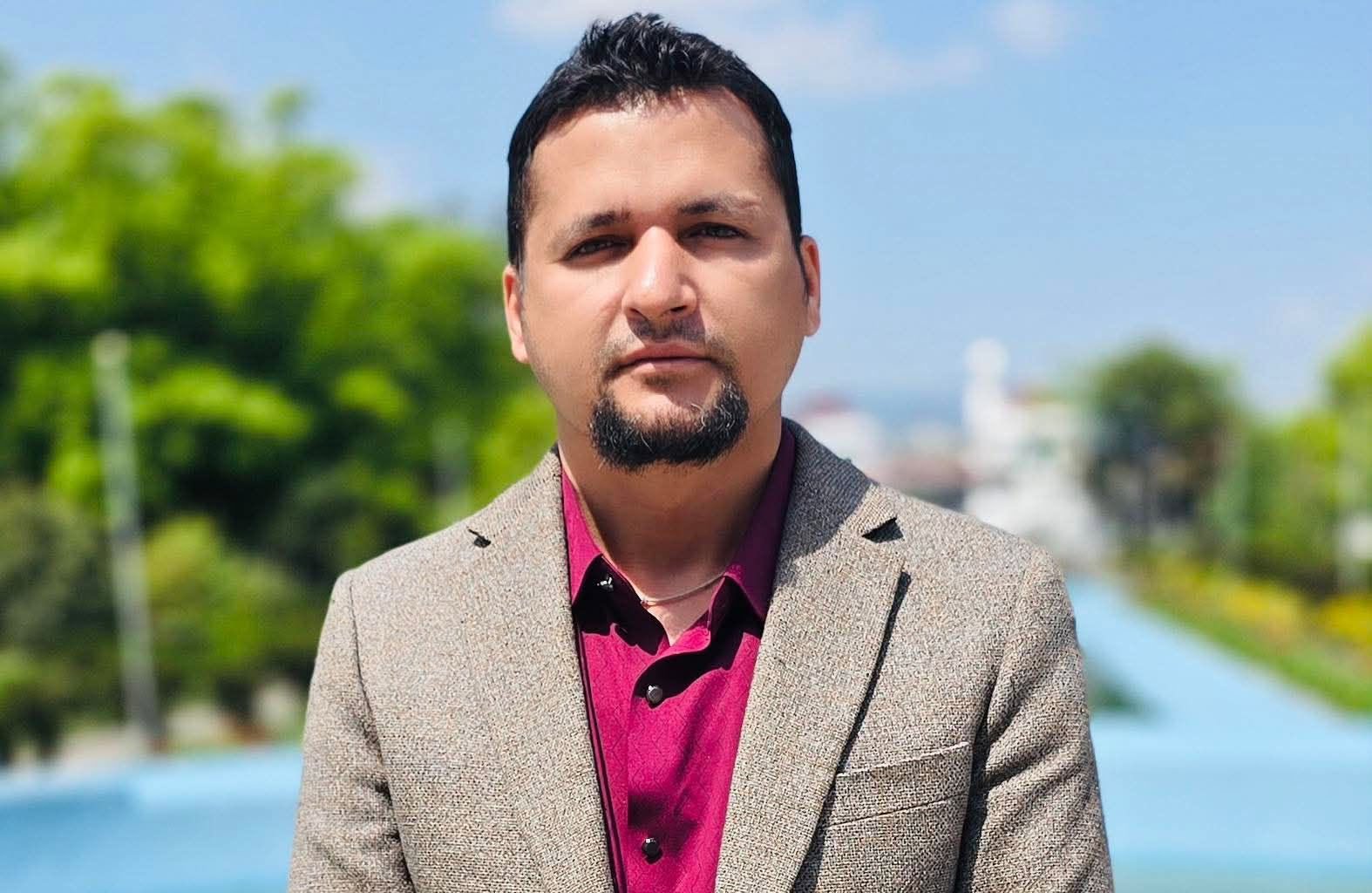
Rastriya Swatantra Party (RSP) MP KP Khanal said that an environment should be created to identify and utilize the capabilities of persons with disabilities, rather than just treating disability as a matter of pity and compassion. He pointed out that city-centric discussions do not solve real problems, and the reality in rural areas is quite dire.
He emphasized that public roads and buildings being constructed in villages must be disability-friendly, and that the upcoming discussions should focus on awakening local representatives in villages and the youth generation at the policy-making level. MP Khanal said, 'Our society tends to view persons with disabilities merely as objects of pity, due to which their capabilities and strengths are always overshadowed. In today's society, they do not need pity, but a proper platform and opportunity to present their abilities.'
He stressed the need to develop a positive mindset that 'despite being in such a condition, they can do such good work' instead of pity.
This specific news has been automatically translated by AI. As a result, there may be some inaccuracies or language errors.