Middle East Tensions Raise Concerns Over Nepal's Economy and Supply Chains


Kathmandu. Concerns have been raised that the escalating tension between Israel-America and Iran will negatively impact Nepal's overall economy.
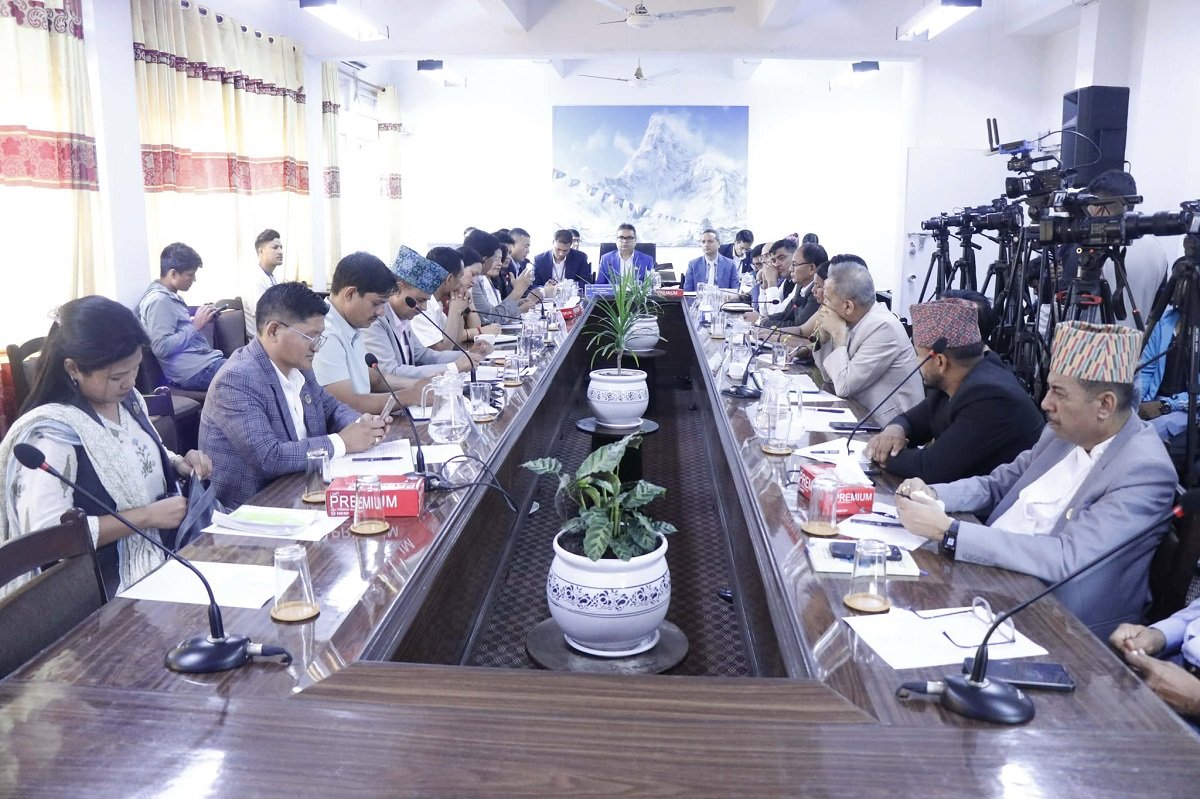
Economists and business leaders, speaking at an interaction organized by the Economic Journalists Association of Nepal (NAFEJ) titled 'Conflict in West Asia: Impact on Nepal's Economy and Supply System,' pointed out that employment and income could face long-term consequences.
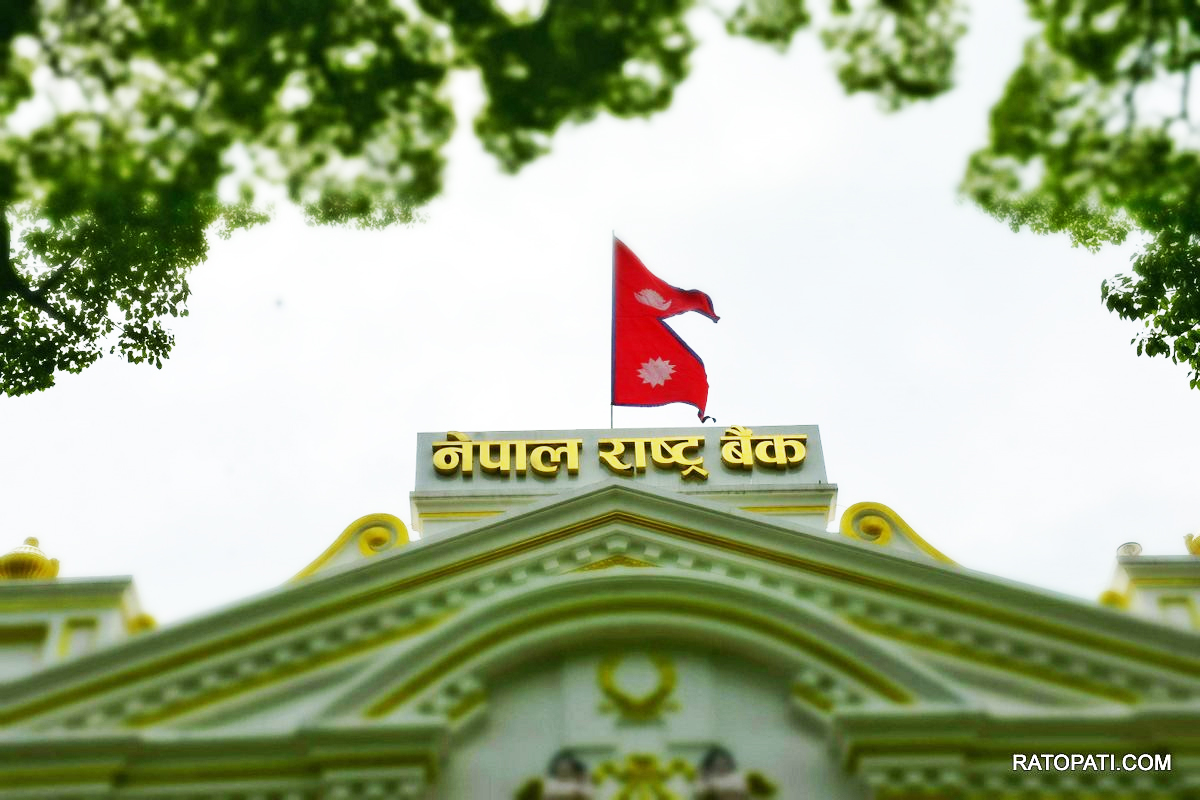
Ram Sharan Kharel, Executive Director of Nepal Rastra Bank, stated that the conflict has added another challenge to Nepal's economy. He noted the risk of affecting Nepali employment abroad, and emphasized the need to be mindful of international supply chains for remittances, medicine, and petroleum products, as well as the resulting price hikes.
He mentioned that while efforts were being made to stabilize the economy after the elections, this conflict has added further challenges, stating, "Efforts were underway to bring the economy back on track after the 'Janjati' movement."
Despite high liquidity in the banking system, lower interest rates in banks and financial institutions, and expectations that liquidity management would improve with the new government, this conflict presents added difficulties.
Shiv Prasad Ghimire, Chairman of the Transit Committee of the Federation of Nepalese Chambers of Commerce and Industry (FNCCI) and a petroleum dealer, informed that the conflict could lead to decreased production and problems in the supply chain, potentially causing panic over shortages, although he stated that an immediate shortage of petroleum products is not anticipated.
Economist Ravishankar Sainju highlighted that the current conflict raging in the Middle East and West Asia will have a profound impact on the country's economic and social life. He stressed the need to create an environment for developing a self-reliant economy by increasing national production as an alternative.
NAFEJ President Menuka Karki expressed the view that the government must be sensitive and cautious, as the conflict has the potential to significantly impact the price of petroleum products, the supply system for food and other consumer goods, as well as foreign investment, remittances, employment, and GDP.
This specific news has been automatically translated by AI. As a result, there may be some inaccuracies or language errors.