Finance Ministry Official Suggests Review of 10-Share IPO Policy, Nepal Nearing FATF Grey List Exit

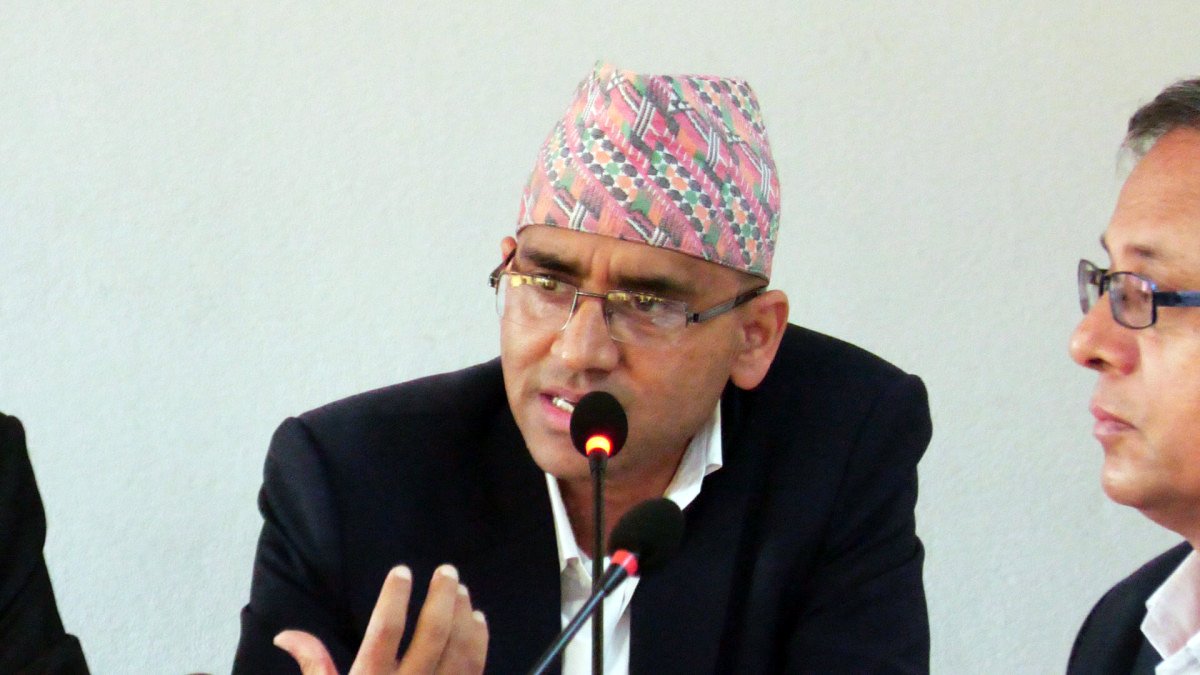
Kathmandu. Finance Ministry Joint Secretary Mahesh Acharya has pointed out the need to review the 10-share policy implemented for Initial Public Offerings (IPOs).
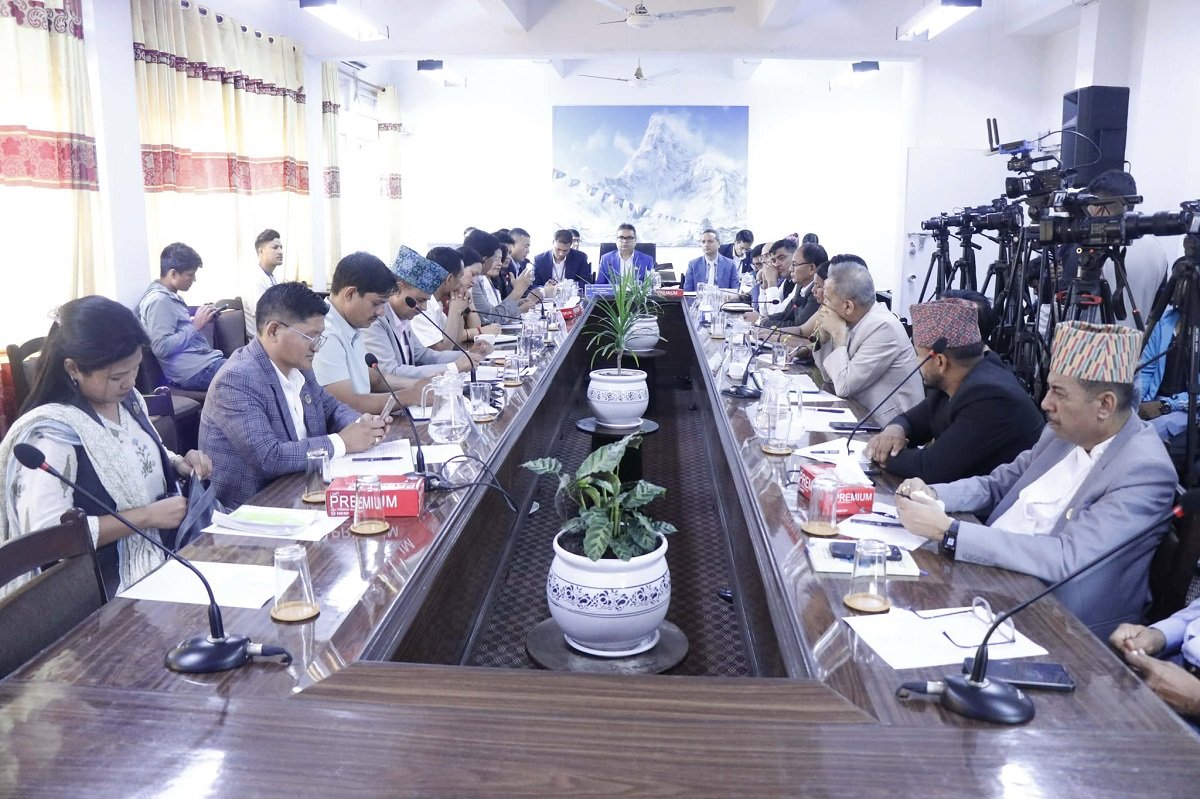
Speaking at a meeting of the Finance Committee of the House of Representatives, he stated that the time has come to review the 10-share policy. He said that this policy has increased short-term profit-seeking tendencies instead of developing a long-term investment culture in the securities market.
Joint Secretary Acharya mentioned that most general investors do not even gather information about a company before applying for an IPO. He said that as soon as the IPO opens, most people open the 'Mero Share' app and apply as if they are buying a lottery ticket.
His analysis is that most investors applying for 10 shares do not study the company at all. While the 10-share policy has brought small investors directly into the stock market, he expressed the idea that they should be attracted towards mutual funds, as it has not been able to make them long-term investors in the company.
He stated that in the Nepali stock market, the expectation of shares doubling or tripling in value in the short term is dominant over long-term investment and dividends. He informed that a large portion of the 70-80 lakh demat accounts currently opened are inactive.
Discussing the literacy and trends of the securities market at the meeting, Joint Secretary Acharya said, 'The problem with securities is also about literacy. That is a huge problem, now none of us read the prospectus when an IPO opens in securities. We just open Mero Share and apply as if we are buying a lottery ticket.'
Saying that people applying for 10 shares do not study the company at all, he added, 'This 10-share policy has become the biggest negative thing in securities. We should have taken small investors towards mutual funds.'
He further added, 'We made everyone a shareholder by encouraging them to apply for a lot of 10 shares. A person applying for 10 shares will not look for a company for 10 years, nor will they attend the company's AGM.' He said that people are running with the mentality that their investment will double or triple, and most of the 70-80 lakh demat accounts are inactive. He said, 'It feels like the time has come for us to review this 10-share policy. If we can take such people to mutual funds, it will solve this problem.'
Stating that there is a race to increase the price of shares in a short time rather than dividends, he said, 'Our fundamental is that the other bad thing is that in the stock market, all our attention is on the share price increasing significantly, we are not focused on receiving dividends or investing in the long term. We must get double within a month after investing today. If it doesn't increase, we are starting to protest.'
He emphasized that the problems seen in the securities market are also related to good governance, and irregularities seen in the IPO process should be resolved through regulatory reforms.
Similarly, at the meeting, Joint Secretary Acharya informed that Nepal is on the verge of exiting the Financial Action Task Force (FATF) 'grey list' soon. He said that the ministry has fully implemented four out of the 15-point action plan given by the FATF, and significant progress has been made towards exiting the grey list.
From the recently concluded FATF plenary meeting, Nepal has received recognition for being 'fully addressed' in four agendas. He informed that Nepal will present the progress made on the remaining agendas at the Asia Pacific Group on Money Laundering (APG) face-to-face meeting to be held in Malaysia in September.
Clarifying the efforts being made to exit the grey list, Acharya said, 'After going on the grey list, FATF has given 15 tasks to be done. Out of those 15 actions, four have been fully addressed, and Nepal has been upgraded in four aspects.'
He said that the progress report will be submitted at the APG meeting to be held in Malaysia in September, and the aspect of supervision will be important in it. He added, 'Supervision means the regulation and supervision of the financial sector by our regulators. Among them, securities is one, Nepal Rastra Bank has to do it, the Securities Board does it, there is the Insurance Authority of Nepal.'
He informed that work is also being done on issues such as 'beneficial ownership' and asset forfeiture along with supervision. Claiming that coordination among government agencies is strengthening in terms of prosecution, he said, 'After the current government was formed, progress is also being made in our cases. There are talks of big cases. We are currently moving in the right direction.' He clarified that if the current pace of work is continued, Nepal is moving towards a situation where it will exit the FATF grey list in the near future.
This specific news has been automatically translated by AI. As a result, there may be some inaccuracies or language errors.