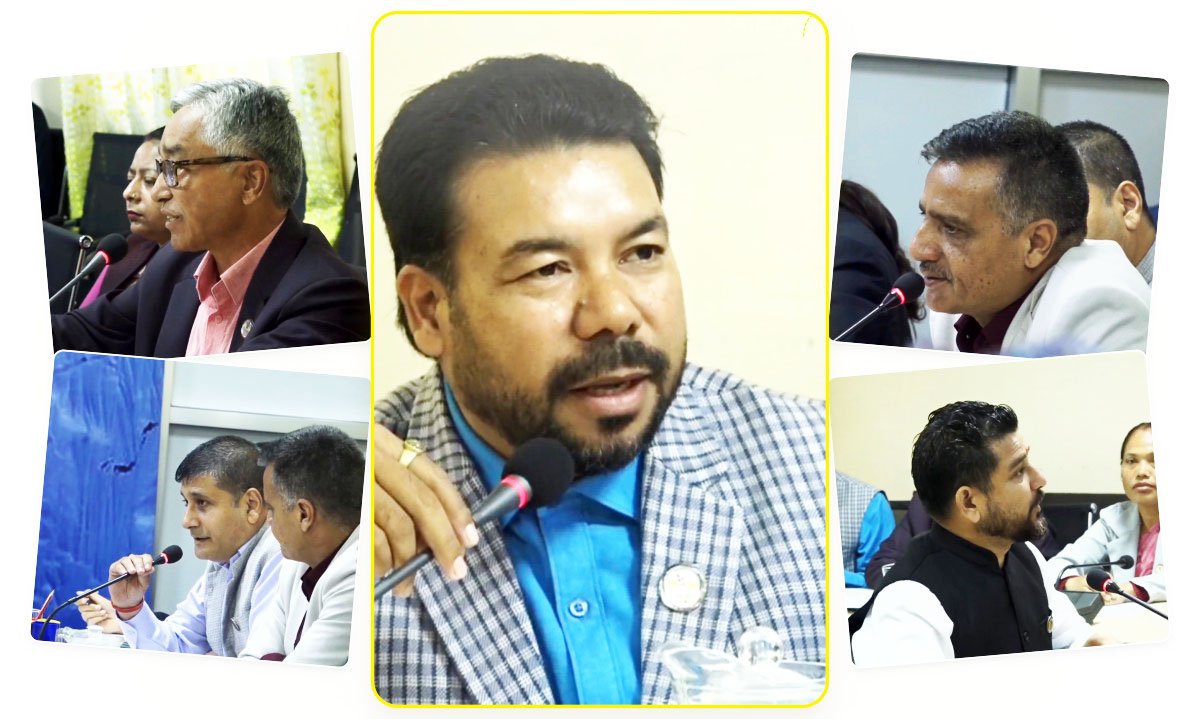
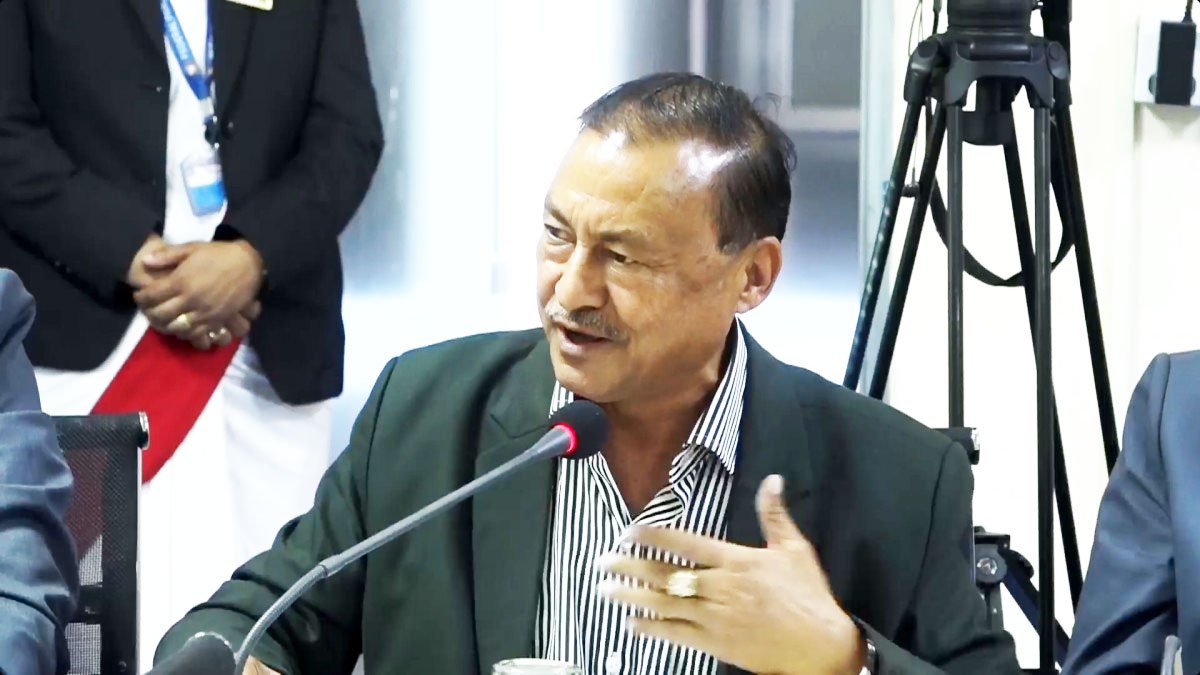
Lawmakers Demand Long-Term Strategy from Securities Board of Nepal

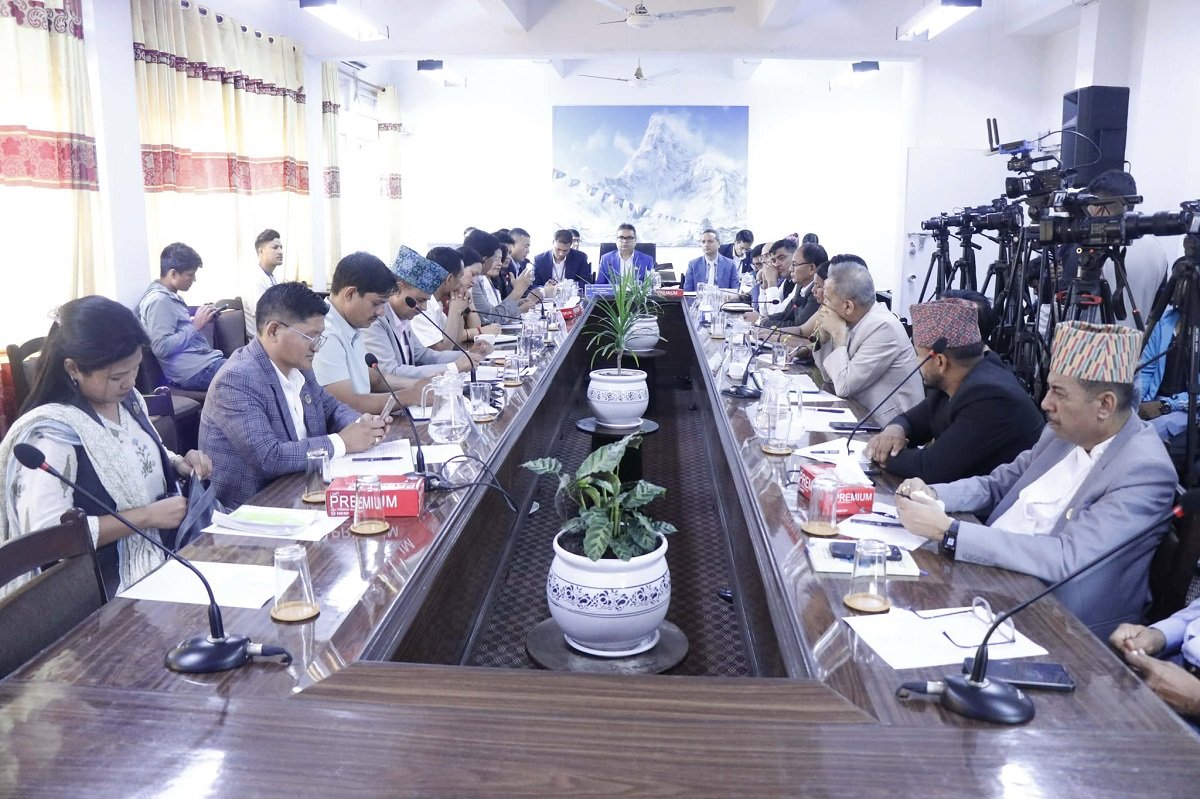
Kathmandu. In the meeting of the Finance Committee under the House of Representatives, lawmakers demanded a clear action plan from the Nepal Stock Exchange Board (SEBON) regarding the long-term strategy of the capital market, market reforms, attracting foreign investment, corporate governance, and enhancing investor confidence.
Speaking in the meeting, they emphasized short selling, implementation of new financial instruments, expansion of institutional investors in the market, coordination between banks and the capital market, measures to boost investor morale, and policy stability.
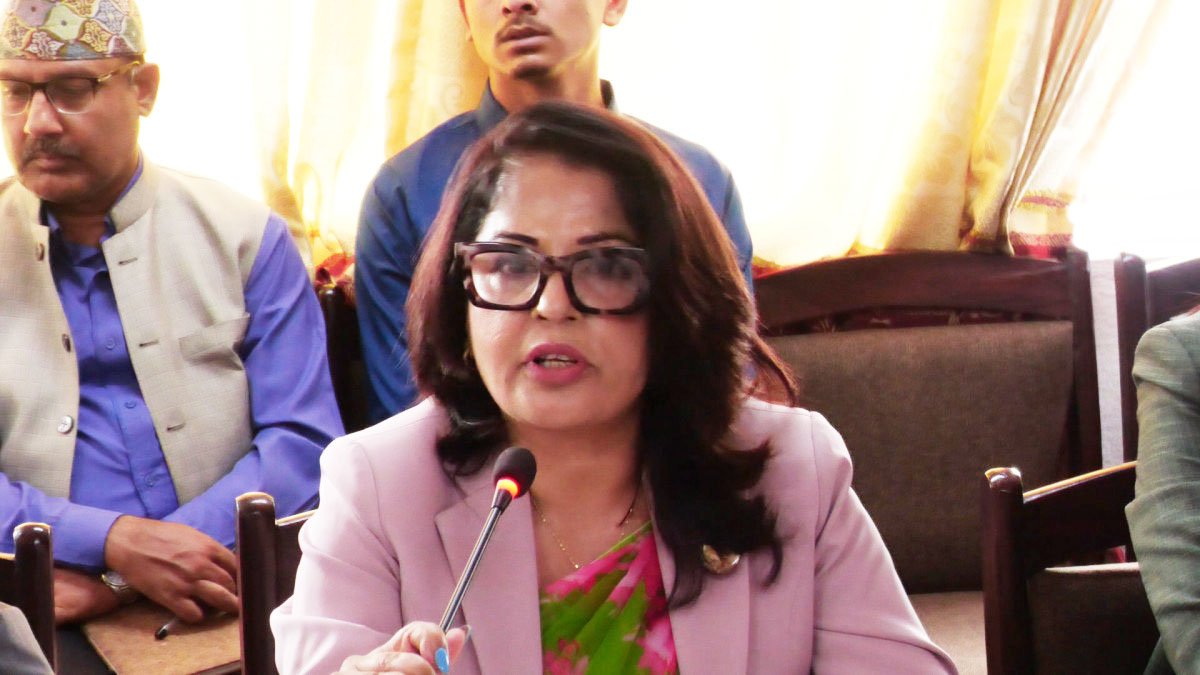
Vidushi Rana, a lawmaker from the Rastriya Swatantra Party, stated that despite having 7.9 million Demat accounts and over 7 million 'Mero Share' users in Nepal, the market's depth and liquidity remain limited. She demanded the board's strategy to increase long-term and institutional investment in the capital market.
Raising questions about new financial instruments and the environment for foreign investment, lawmaker Rana said, ‘We have heard SEBON talking about new instruments like corporate bond market, SME exchange, REIT, ETF, venture capital for years. What is the clear action plan and timeline for when each of these instruments will be operational?’
Citing data that the market capitalization has exceeded 70.52 percent of GDP, she questioned how the capital market's flow of new capital into industries, infrastructure, energy, and productive sectors is being measured. She added, ‘Foreign institutional investors will look at transparency and market infrastructure before coming to Nepal. What reforms are we prioritizing to attract foreign institutional investors within the next two years?’
She inquired about the timeline for the board's AI-based market surveillance, real-time monitoring, and cybersecurity strengthening plan, demanding a clear roadmap to make the capital market the engine of Nepal's economic development within the next three years.
Dr. Pushparaj Kandel, a lawmaker from the CPN (UML), stated that the approval process for IPOs and rights shares is very slow. Mentioning that hundreds of companies are in the pipeline, he urged for a faster approval process. He stated that Nepal's capital market has not yet been able to mobilize sufficient investment in the productive sector. He pointed out that capital is not flowing into the manufacturing sector because investor confidence in company promoters is weak.
Lawmaker Kandel, discussing the board's leadership and institutional governance, said, ‘Due to the constant change in the board chairman and the risk aversion of decision-makers, many things seem to be pending in the pipeline. Let's expedite those matters now.’
He highlighted that corporate governance issues have significantly weakened overall investor confidence and emphasized the need for improvement. He added, ‘Investment is not going into the productive sector or areas requiring long-term investment. Currently, some investment seems to be going into sectors with short-term benefits.’
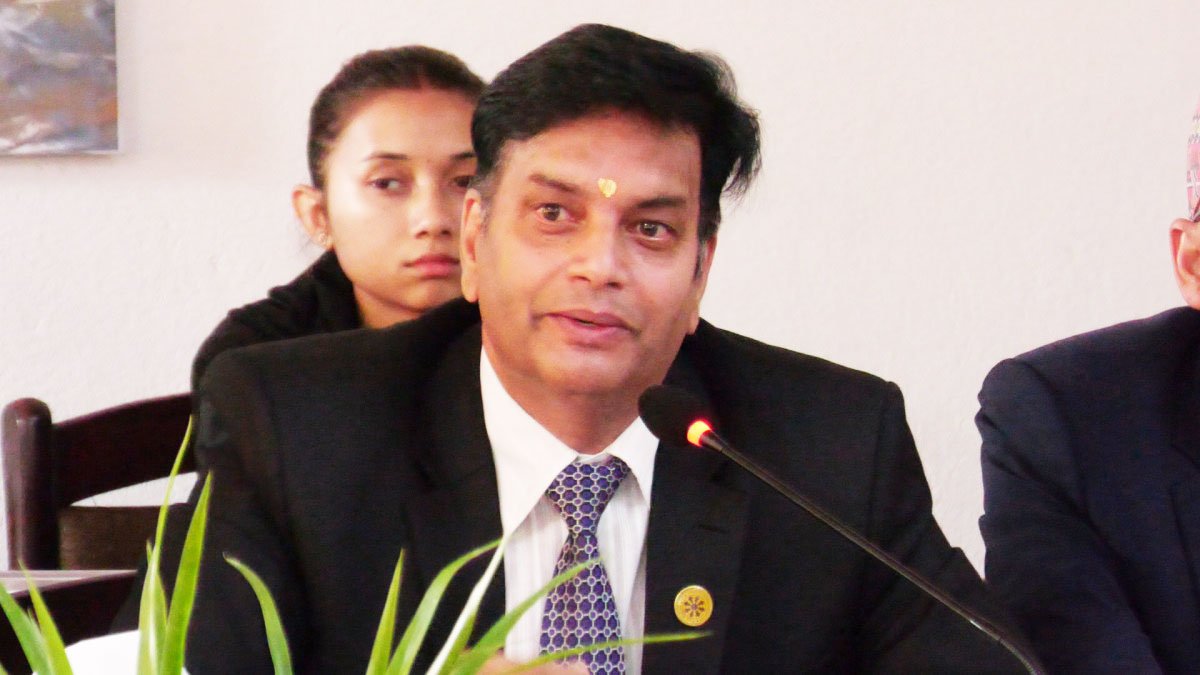
Narendra Kerung, a lawmaker from the Nepali Congress, stated that trust in the government among the private sector and investors is weakening, and the continuous decline in the stock market is increasing despair. He said, ‘Why is the private sector unable to trust us? We have an investment environment, but the private sector is not confident.’ He shared that investors call him asking him to convey messages to the finance minister when the market falls, adding, ‘The situation is extremely disappointing. How can we boost the morale of the private sector and increase investor confidence in the government? Attention should be paid to this.’
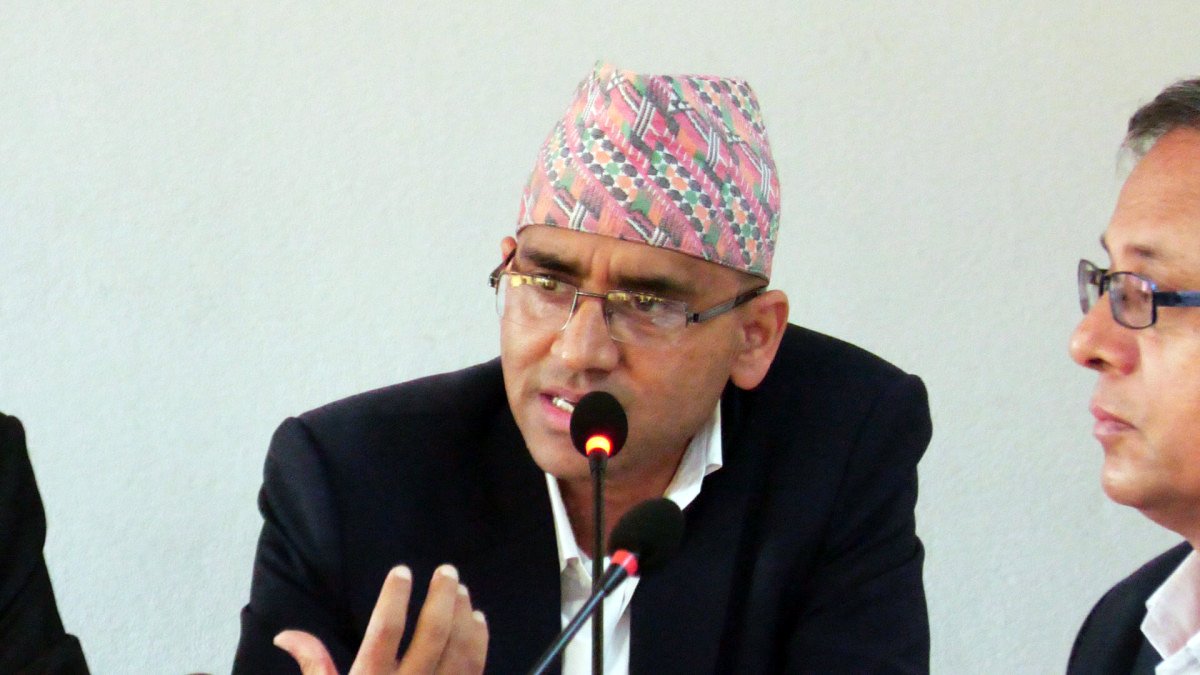
Parshuram Tamang, a lawmaker from the Communist Party of Nepal, questioned why both banks and the capital market remain sluggish despite ample liquidity in the banking system. Citing examples of many investors and promoters failing in the past, he sought the board's direction for the biggest challenge and its solution.
Lawmaker Tamang pointed out the paradoxical state of the financial market, saying, ‘Why is the relationship between banks and the capital market not working? Liquidity is piled up, neither is moving. What is the mystery? Either the banks should be running or the stock market should be running.’
He added, mentioning that some people he knows who opened banks and worked in this sector have disappeared after going bankrupt, ‘What needs to be done for this to grow now? What is the way to avoid failure? What is the real challenge?’ He asked about the success rate, saying, ‘If the success rate is high, people will enter; if only failures occur, why would anyone enter?’
Khagda Bahadur Buda, a lawmaker from the Nepali Congress, commented that despite a stable government with a two-thirds majority, the capital market has not seen the expected improvement. He emphasized that SEBON must implement regulatory measures more effectively and strictly to end market manipulation, weak regulation, and the influence of vested interests.
Lawmaker Buda highlighted the current state of the market and the need for literacy, saying, ‘In the past, there was an unstable government, and the market situation was similar. But now there is a stable government, a government with nearly two-thirds majority, yet the market situation is extremely disappointing. Therefore, we have no excuse for not being able to do this for the government.’
He stated that market manipulation and risks persist, and regulation is weak, urging SEBON to bring concrete programs. Mentioning that investors in rural areas are not familiar with technical terms, he said, ‘I want to request that literacy programs be taken to rural areas in simple language understandable to the general public, for small investors living in small rural areas.’
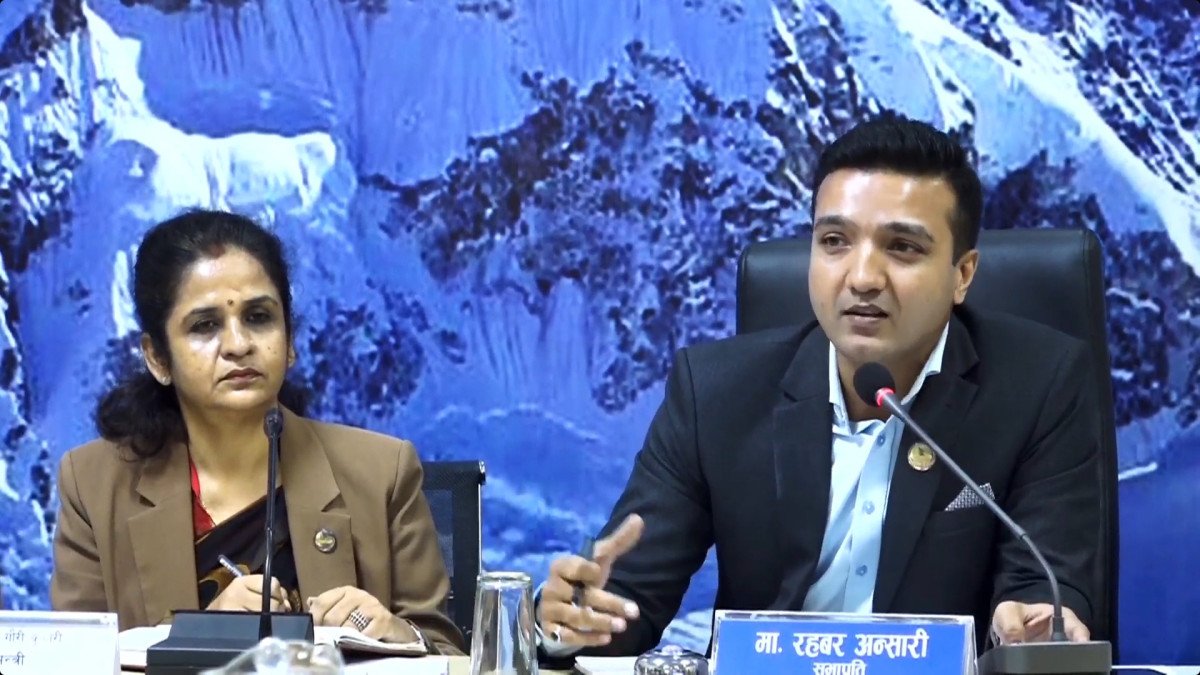
The Finance Committee has directed the government to submit a report within 10 days after studying the issues raised by lawmakers regarding the capital market, banking sector, and financial system. The committee has instructed to study all the issues raised during the discussion and submit a detailed report within 10 days, distinguishing between implementable and policy-level reforms.
This specific news has been automatically translated by AI. As a result, there may be some inaccuracies or language errors.