Chamber of Commerce President Slams 'Double ISIN' System in Nepal's Capital Market as Distorting and Unreliable


Kathmandu. The President of the Nepal Chamber of Commerce, Kamlesh Agrawal, stated that the existing 'Double ISIN' system in Nepal's capital market has made the market unreliable and distorted. He emphasized that, according to international practice, shares of the same company should have a single ISIN.
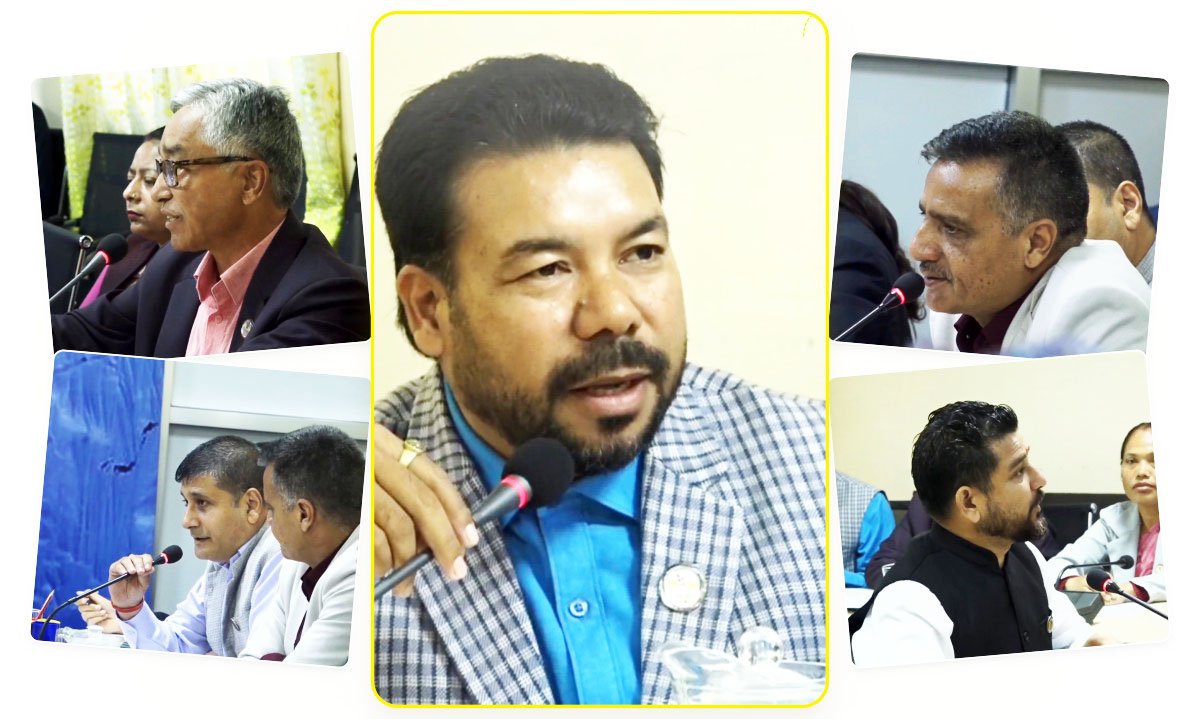
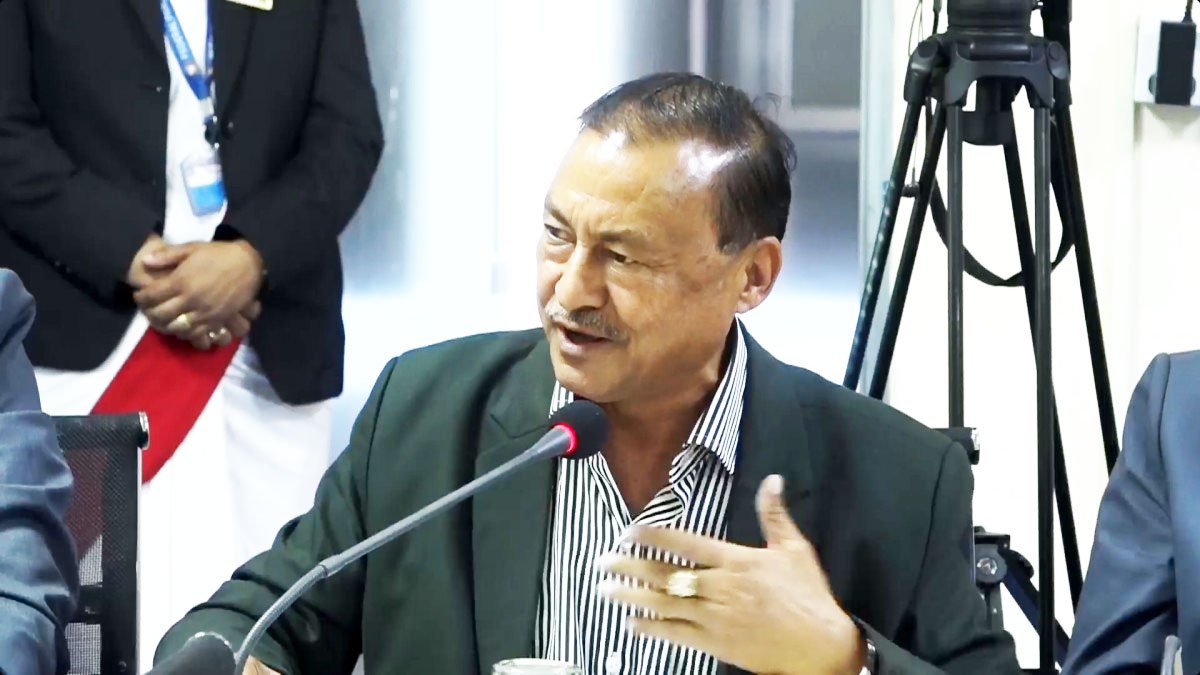
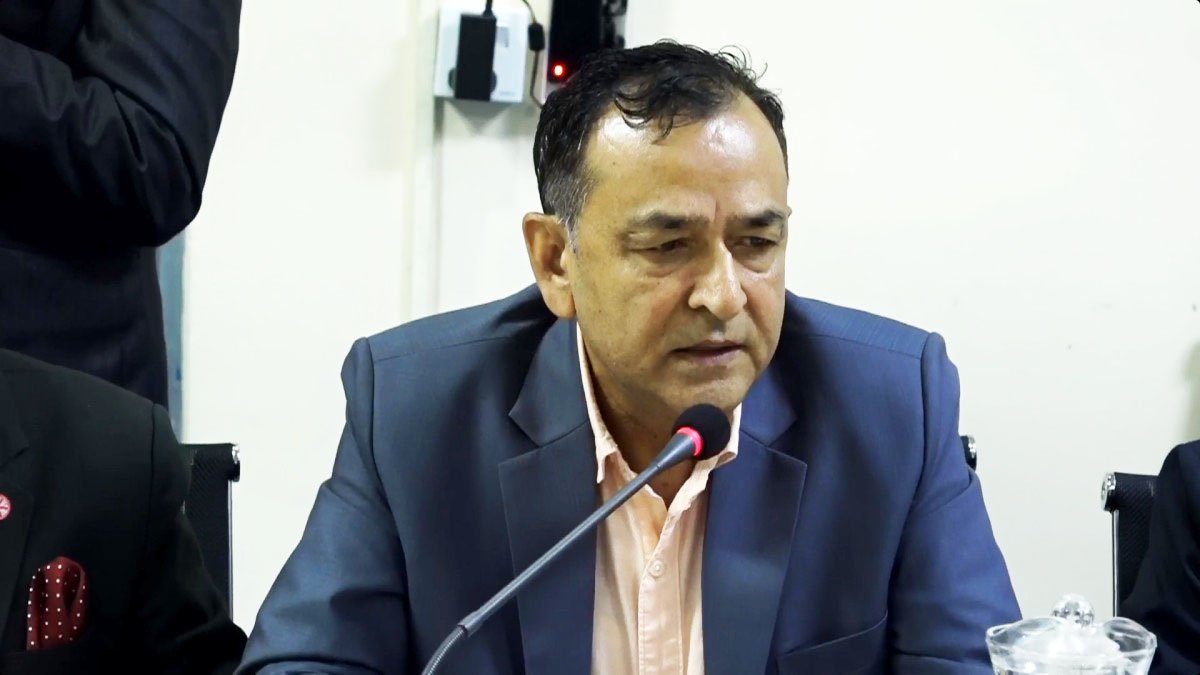
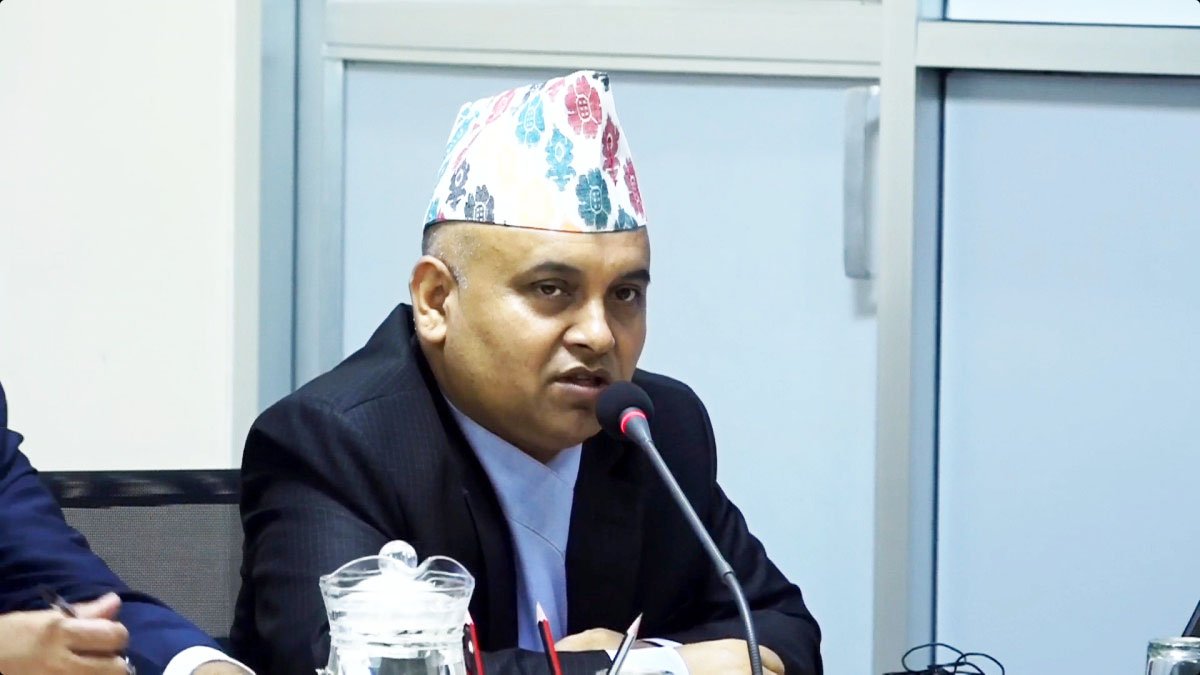
Speaking at a discussion organized by CDS and Clearing Limited regarding the 'Securities Dematerialization Operation Directive, 2082,' President Agrawal noted that the policy of issuing separate ISIN numbers for promoter and public shares of banks, insurance, and financial institutions in the past is the root cause of the current problem. According to President Agrawal, having two prices (dual price) for the shares of the same company promotes 'speculation' (estimated trading) in the market.
According to him, separate ISINs divide the market and reduce share liquidity. Index Distortion: When shares of the same company are calculated from different ISINs in the NEPSE index calculation, the actual market condition is not reflected. He stated that this weakens market regulation and supervision and complicates monitoring efforts.
He argued that such a system sends a message that Nepal's capital market is immature and discourages foreign investors. Agrawal also mentioned that the three-year 'lock-in period' for promoter shares has constricted the supply of shares in the market. He suggested that if the remaining shares were opened with a ceiling of up to 20 percent, the supply balance would be achieved, and abnormal fluctuations in price would be minimized.
Stating that the capital market is the backbone of economic growth, he emphasized that strengthening, making it more transparent, and effective is imperative for Nepal's sustainable economic development. He concluded that in the coming days, a healthy capital market based on real value and price determination according to company returns must be developed.
This specific news has been automatically translated by AI. As a result, there may be some inaccuracies or language errors.