Expert Interview: How Air Pollution Attacks the Human Body and Essential Preventive Measures


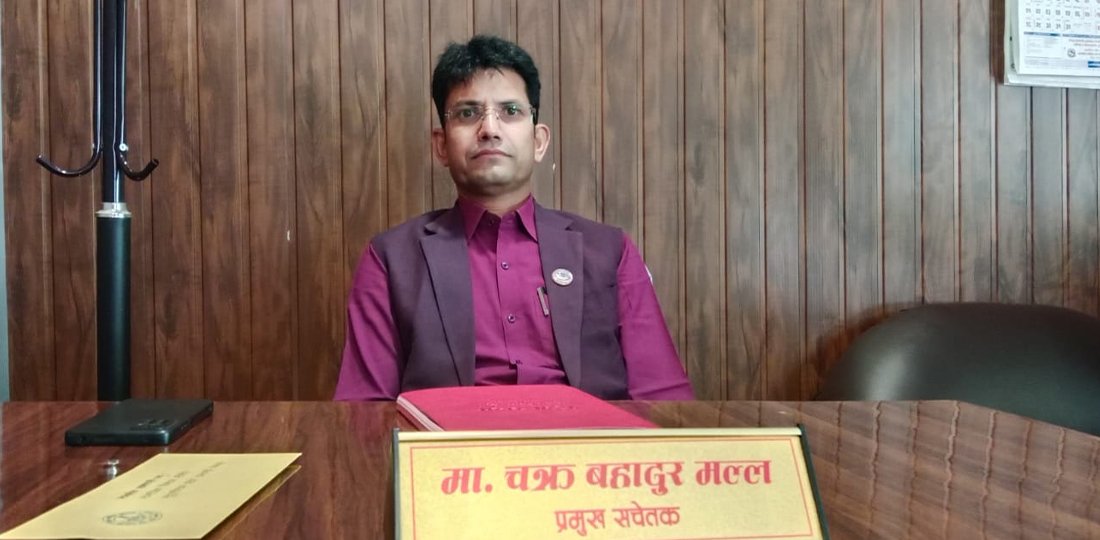
How does air pollution attack various organs in the human body? What precautions can be taken at individual and community levels to avoid it? What is the role of exercise and diet, and how is polluted air acting as a 'silent killer'? This is an interview focusing on these aspects with Chest Specialist Dr. Raju Pangeni, conducted by Usha Kafle of Ratopati.
- Air pollution has increased significantly in the Kathmandu Valley recently; how does it affect our bodies?
Due to the bowl-like geographical structure of the Kathmandu Valley, polluted air cannot easily escape, leading to very high levels of pollution. Harmful chemicals such as ultra-fine dust particles, carbon monoxide, ozone, and nitrogen dioxide are mixed in the air pollution. These particles are so fine that they bypass the protective systems of our nose and throat and reach directly into the inner parts of the lungs.
Pollution can be divided into two parts—external pollution, which comes from vehicle exhaust and factory emissions, and internal pollution, which is generated by burning firewood indoors, smoking, or using heaters and coal in winter. These polluted particles are absorbed from the lungs into the blood and, through the circulatory system, reach the heart, brain, kidneys, and reproductive organs, causing damage to various body systems.
- What kind of health problems are currently causing a surge in patients at hospitals due to pollution?
Most patients currently come with respiratory problems. Specifically, issues like nasal congestion, throat irritation, dry cough, and sleeplessness due to coughing all night are more prevalent. Many patients show symptoms of 'bronchitis,' characterized by chest wheezing and difficulty breathing. For patients with pre-existing asthma or allergies, pollution has exacerbated their conditions, leading to decreased oxygen levels and even emergency hospital admissions. Some also exhibit symptoms like fever due to infection, yellow phlegm, and shortness of breath even while walking, which are direct consequences of air pollution.
- Besides the respiratory system, what effect does pollution have on the heart and brain? Does it cause long-term complications?
The impact of pollution is not limited to the lungs. Harmful chemicals mixed in the blood increase the risk of heart attack by creating blockages in the coronary arteries. Similarly, upon reaching the brain, it can cause strokes or paralysis. In recent times, problems such as memory decline, difficulty concentrating, and increased irritability have also been observed due to air pollution. There is also a risk of it affecting kidney function, complicating diabetes and high blood pressure, and reducing fertility. It is a type of 'silent killer,' whose effects may not be immediately apparent but gradually weaken the body's organs over a long period.
- How high is the risk of pollution for pregnant women, children, and the elderly?
These three groups are at the highest risk. When pregnant women spend long periods in a polluted environment, it directly affects the fetus in the womb. This can lead to premature birth or the birth of a low-birth-weight baby. More importantly, children born in polluted areas do not have their lungs fully developed, increasing their likelihood of developing asthma and other respiratory problems in the future.
Because children and the elderly have lower immunity, they are more quickly affected by pneumonia infections due to pollution, and complications appear sooner.
- What can you say about the link between air pollution and lung cancer? Is it as dangerous as smoking?
Previously, smoking was considered the main cause of lung cancer, but now the risk of cancer in non-smokers has also increased equally. The primary reason for this is air pollution. All the harmful elements found in tobacco smoke are also present in polluted air. Prolonged exposure to a polluted environment and smoking are equally fatal for the lungs. Therefore, air pollution is now considered the second major cause of lung cancer.
- What measures can be taken to avoid air pollution? What kind of diet and lifestyle is necessary?
While it is difficult to completely avoid pollution, its effects can be mitigated by adopting certain precautions. Firstly, a high-quality mask must be used correctly when going outdoors. Since pollution levels are high in the morning in Kathmandu, it is advisable to go out after sunrise or during the afternoon rather than during the morning walk. Indoor air can also be kept clean by using an air filter. Special attention must be paid to diet. Protein-rich food and adequate fluid intake prevent phlegm from accumulating in the lungs and make breathing easier. Patients with chronic heart or lung diseases should get vaccinated against pneumonia and flu as advised by their doctor. Proper ventilation should be ensured to keep the indoor environment clean, and activities that generate dust and smoke should be reduced. If a cold does not subside within 3 to 5 days or if breathing becomes difficult, a specialist doctor should be consulted immediately.
This specific news has been automatically translated by AI. As a result, there may be some inaccuracies or language errors.