Securities Board of Nepal to Abandon Dual IGIN System

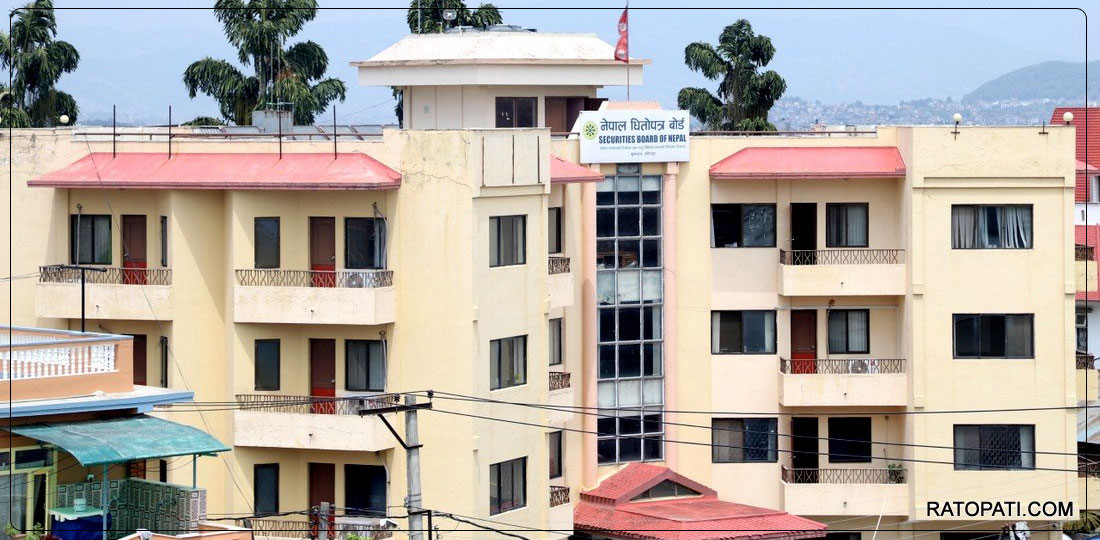
Kathmandu. The Securities Board of Nepal is to back down from the dual IGIN system. About a year ago, to make Nepal's capital market organized, CDS & Clearing Limited (CDSC) brought a new directive, 'Securities Dematerialization Operation Directive-2082'.
In the said directive, CDSC has made a provision to provide separate international identification numbers (IGIN) for promoter and ordinary shares. However, the work procedure remained stuck at the board for a year.
The then Board Chairman Santosh Narayan Shrestha did not advance the said work procedure. But now, the new Chairman of the Board, Gopal Bhatta, has taken charge. Chairman Bhatta is preparing to study all the files that have been stuck and delayed in the past and move them forward.
However, there are indications that the provision in the 'Securities Dematerialization Operation Directive-2082' to provide separate IGINs for promoter and ordinary shares will be removed.
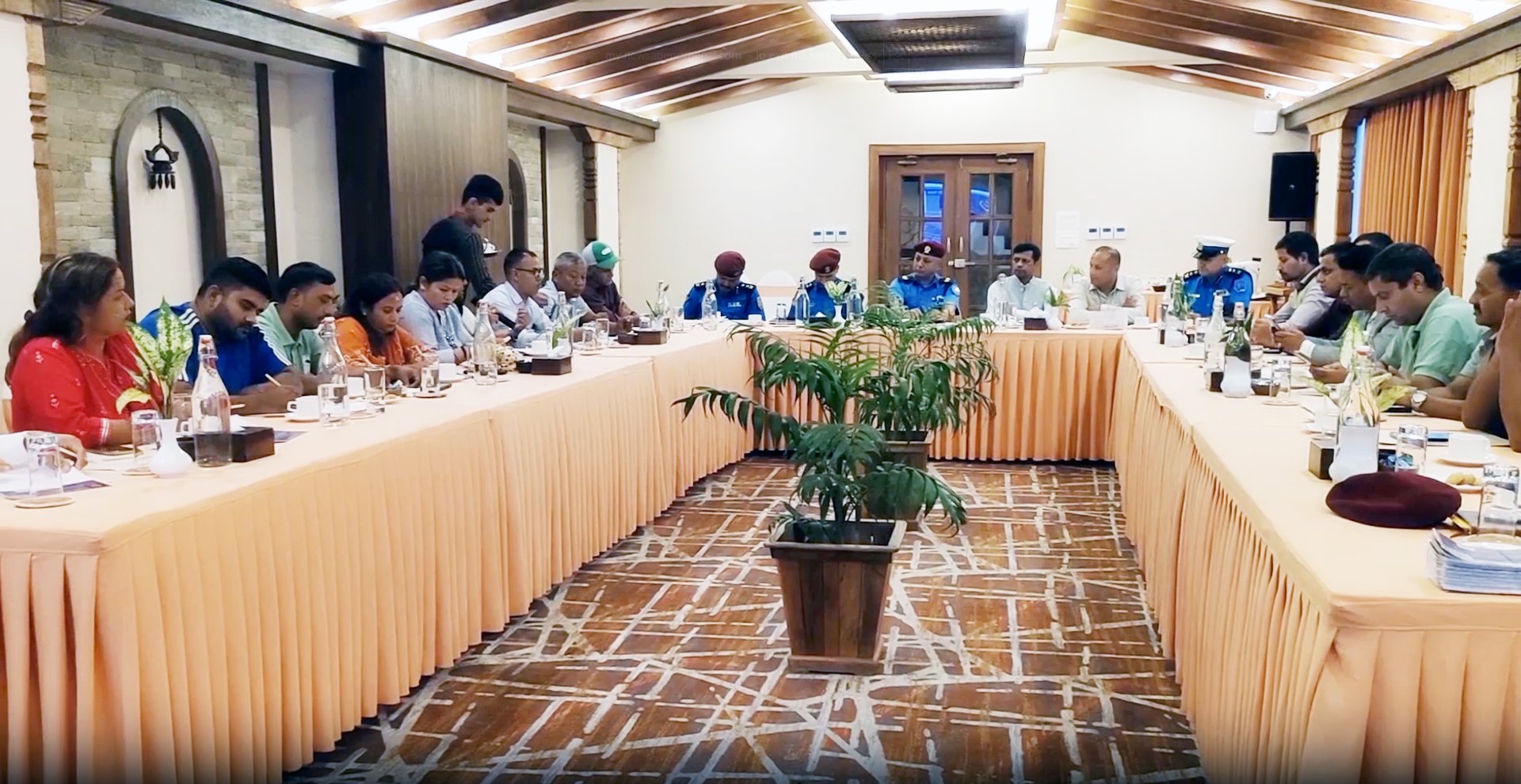
Board Chairman Bhatta gave such indications in a meeting with journalists a few days ago. He clearly indicated that the dual IGIN work procedure sent by CDSC a year ago would not be advanced.
According to Chairman Bhatta, the dual IGIN number is like an international passport for securities, so it cannot be manipulated arbitrarily. He said that the concept of dual IGIN is not in international practice. He mentioned that since the work procedure was made based on the guidelines of the international organization ANNA, it is not mandatory to implement it.
Chairman Bhatta said, 'The dual IGIN number is not our internal product, it is an international product. We have to follow the ANNA standard operating guideline. The concept of dual IGIN is not in international practice. The board is not in favor of implementing dual IGIN by going beyond international practice.'
He further clarified, 'Just as passport rules are the same all over the world, IGIN rules are also global. We cannot proceed by violating international standards. We will proceed according to international practice.'
Along with this, it seems certain that the dual IGIN work procedure, which CDSC has been proposing for a long time, will not be approved by the board.
Commenting on the work procedure sent by CDSC, he questioned, 'How has the work been going on without a work procedure so far? Why is a work procedure needed now?'
The IGIN number is issued by CDSC in coordination with the Nepal Stock Exchange (NEPSE). Only after CDSC issues the IGIN number, the shares issued by any company come into the shareholder's account. An IGIN number is required for shares obtained through IPO to come into the investor's demat account.
CDSC had sent the directive, passed by the board meeting on Shrawan 11 last year, to the Securities Board of Nepal for approval a year ago.
However, the 'Securities Dematerialization Operation Directive-2082' sent by CDSC to the board has not been approved yet. The directive, unanimously passed by the CDSC board meeting and sent to the Securities Board, was kept pending, stating that it was under study at the board.
After a long discussion and as per the instructions of the Securities Board, CDSC had prepared a work procedure regarding the International Security Identification Number (IGIN) provided during the dematerialization of securities and sent it to the board for approval.
This is CDSC's proposal in the directive
CDSC believes that the new directive will completely stop opaque practices in the capital market.
Now, if any company wants to convert promoter shares into ordinary shares, it will have to pass a decision from the general meeting, publish a public notice, and then request CDSC.
According to the directive, CDSC can merge IGINs as needed upon the request of a concerned institution. For this, the concerned institution will have to apply with documents and proof as follows.
The directive proposes to provide separate IGINs to companies that previously had a single IGIN number. Companies that previously had a single IGIN by merging promoter and ordinary shares will also get two IGINs after the directive is implemented.
Clause 7 (2) of the directive states, 'Securities of promoter and ordinary groups that were given a single IGIN before the implementation of this directive, including securities in the lock-in period, will be provided with separate IGINs after the implementation of the directive.'
Furthermore, if a security has been given a separate IGIN but is deemed unnecessary, CDSC has the provision to merge it.
CDSC has implemented a new system that allows merging and separating the International Identification Number (IGIN) provided for securities.
This new system by CDSC was expected to help make the dematerialized trading of the securities market more organized, transparent, and in line with international standards.
This specific news has been automatically translated by AI. As a result, there may be some inaccuracies or language errors.


_Haqbgxersl.jpg)