Yemen Faces Renewed Full-Scale War as Houthi Militancy Escalates
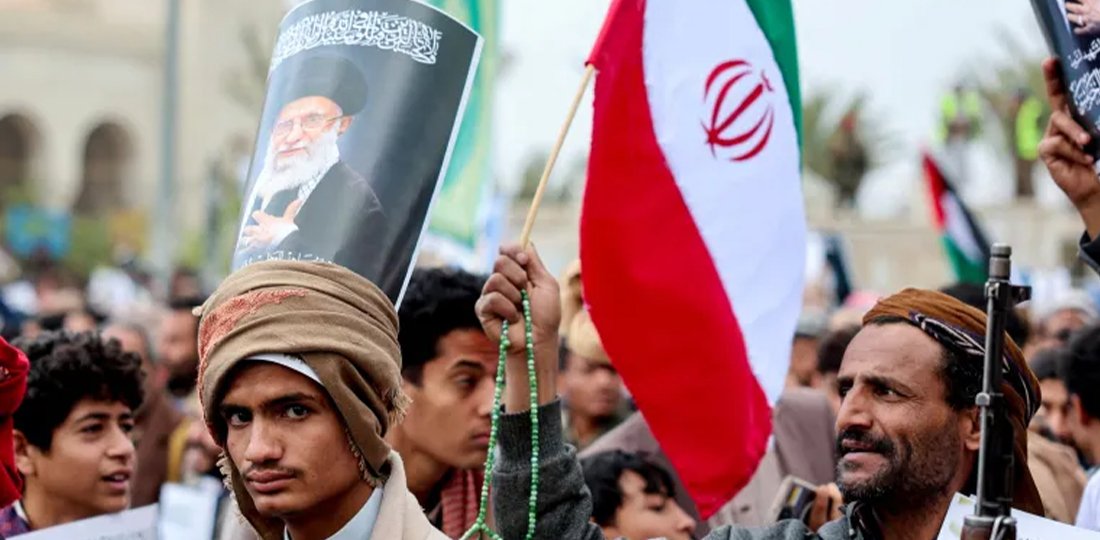
Sana. Signs are emerging that Yemen, which has been relatively peaceful for about four years, is once again heading towards a full-scale war.
In recent days, Houthi rebels have intensified military activities, and clashes have begun on various fronts with the army of the government side. This strengthens the possibility of a widespread civil war resuming in Yemen. On Wednesday, Houthi rebels claimed to have carried out missile and drone attacks on two ships related to Saudi Arabia in the Red Sea. According to them, those ships had violated the blockade they had imposed.
At the same time, fierce clashes took place in the southwestern Dhale province between Houthi fighters and internationally recognized Yemeni government-backed forces. It is reported that more than 30 people from both sides were killed or injured. According to analysts, these incidents indicate that the Houthis have moved from mere threats and power displays to actual military action. Having succeeded in controlling large territories in recent years, the Houthis now appear to have adopted a strategy to expand their influence over the remaining government areas.
Powerful Houthi Even After Decades of War
Yemen plunged into a long civil war after the Houthi movement captured the capital Sanaa in 2014. At that time, the government army was weak, and the political leadership was divided. Many leaders, including then-President Abd-Rabbuh Mansur Hadi, were forced to flee the country and seek refuge in Saudi Arabia. In 2015, an Arab coalition led by Saudi Arabia joined the war in support of the Yemeni government.
However, years of war could not weaken the Houthis' control. On the contrary, they succeeded in keeping the densely populated areas of northwestern Yemen, including the capital Sanaa, under their control. During this period, the Houthis have managed to preserve their military structure despite facing military actions from the Yemeni government, the Saudi-led coalition, the United States, the United Kingdom, and Israel. In particular, their missile and drone capabilities are considered to have established them as a regional power.
Why is the Current Situation Different?
Although the Houthis remain a strong force, analysts say the current strategic situation is very different from before 2022. According to Ahmed Nagi, a senior analyst at the International Crisis Group, the division within the Yemeni government has somewhat decreased in the last four years. The Presidential Leadership Council has started making decisions with more coordination than before. According to him, Saudi Arabia is also trying to bring various government-backed groups under a single strategy. If the government side can adopt a joint military strategy, it can create real pressure on the Houthis.
In the past, there were differences between various groups within the Yemeni government. In particular, the United Arab Emirates (UAE) and Saudi Arabia supporting different local groups weakened the government side. However, recently, the Yemeni government has ordered the United Arab Emirates to leave the country. After that, Saudi Arabia has reportedly played an active role in increasing coordination among various government-backed groups. This is analyzed as strengthening the political and military unity of the government-backed army compared to the previous situation.
A tribal alliance against the Houthis has recently been formed in the northeastern Al-Jawf region of Yemen. This is seen as a potential new turn in the war. The beginning of this alliance is believed to have occurred after the arrest of local tribal leader Hamad Al-Hajmi. He was in detention for about 50 days after a dispute with the Houthi administration. After his release, he publicly stated that he had suffered injustice in detention. Subsequently, thousands of tribal members from various provinces gathered in Al-Jawf and protested against the Houthi administration. According to political writer Fouad Musad, for the first time in recent years, tribes that have been weakened have united in such large numbers. If this alliance remains strong, it can provide significant support to the government army.
Red Sea Security Another Concern
The Houthis had previously targeted ships related to the United States and Israel passing through the Red Sea between 2023 and 2025. They explained those attacks as support for Palestinians against the ongoing war in Gaza. Subsequently, the United States, the United Kingdom, and Israel carried out hundreds of airstrikes on various Houthi military bases in Yemen. Maritime attacks were temporarily halted after an agreement between the US and the Houthis in 2025.
However, the targeting of ships related to Saudi Arabia again has raised new concerns about maritime security. According to Yazeed Al-Jeddawi, research manager at Sana Center for Strategic Studies, if the Houthis continuously attack commercial ships related to Saudi Arabia, the regional response this time could be much broader than before. According to him, discussions are underway among regional countries to form a new security alliance to secure the Red Sea maritime route. There is also a possibility of cooperation from international partners.
Trump's Stern Warning
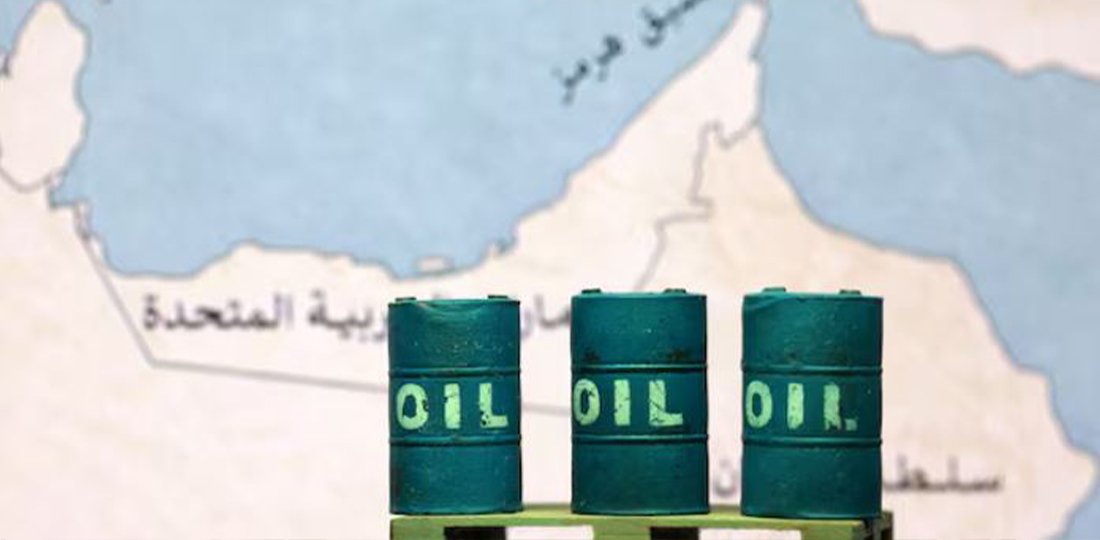
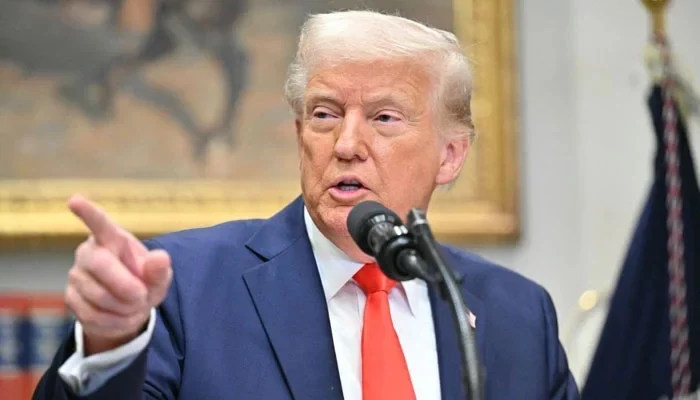
US President Donald Trump also reacted strongly after the Houthis attacked Saudi oil tankers again. He warned of severe military punishment for both Iran and the Houthis. According to Trump, if the Houthis carry out such attacks again, Iran will be directly responsible, as the Houthis are acting as Iran's proxy group.
However, the Houthi leadership appears to believe that Saudi Arabia and other regional powers are not willing to go into a long war. According to them, Saudi Arabia is more likely to seek a new agreement soon rather than tolerate continuous attacks on its infrastructure.
According to analysts, the Houthis are estimated to still have more than two hundred thousand fighters. If necessary, they have the capacity to mobilize tens of thousands more supporters from the areas under their control for war. Similarly, their missile, drone, underground tunnels, forts built in mountainous areas, and experience in long wars are considered their strengths. However, the increasing coordination of the government side, tribal support, and regional cooperation have also increased the strategic challenges for the Houthis.
Unprecedented Challenge
In the conclusion of the analysts, the current situation has become much more favorable for the government-backed side than when the ceasefire began in 2022. However, there are still many challenges to transform this into actual military success. If all government-backed military groups operate effectively under a single command, can conduct coordinated actions on various fronts, and receive continuous support from regional partners including Saudi Arabia, there is a possibility of weakening the Houthis' control.
However, analysts say that if internal divisions, strategic misunderstandings, or a lack of external support occur again, the Houthis may be able to maintain their current strength. The civil war in Yemen has pushed millions of citizens into a humanitarian crisis for more than a decade. If the new tension seen now escalates into a full war, concerns have been expressed that the country's humanitarian situation will worsen, and the security of the entire Middle East and international maritime trade will be seriously affected.
This specific news has been automatically translated by AI. As a result, there may be some inaccuracies or language errors.